

Have you ever wondered if you can grow delicious strawberries under your fruit trees? It’s a common dilemma for gardeners looking to maximize their space while enjoying the fruits of their labor. You might have a lovely orchard but feel like there’s wasted ground beneath those trees.
This article will explore the ins and outs of planting strawberries in the shade of your fruit trees. You’ll discover the benefits and challenges of this gardening technique, helping you make the most of your garden. By the end, you’ll know if this combination can work for you, turning your garden into a vibrant, productive paradise.
Key Takeaways
- Compatibility: Planting strawberries under fruit trees is feasible but requires careful consideration of light, soil conditions, and competition for nutrients.
- Light Requirements: Strawberries need at least six hours of direct sunlight daily; opt for dwarf or semi-dwarf tree varieties to maximize light exposure.
- Soil and Watering: Ensure well-draining, nutrient-rich soil and maintain consistent moisture with techniques like drip irrigation and mulching to support both plants.
- Nutrient Competition: Space strawberries 12 to 18 inches apart to reduce competition for resources and apply organic fertilizers to promote healthy growth.
- Pest Management: Monitor for pests regularly and use integrated methods like introducing beneficial insects or organic pesticides to protect both strawberries and fruit trees.
- Best Practices: Implement regular maintenance practices, such as mulching and pruning, to enhance growth conditions and yield for strawberries growing beneath fruit trees.
Can You Plant Strawberries Under Fruit Trees?
Planting strawberries under fruit trees is possible and can be beneficial, but several factors affect success. The key considerations include light, soil, and competition for resources.
Recommended Products

Quick, at home results for Soil pH, Nitrogen, Phosphorous and Potash Innovative and inexpensive soil test kit features an easy-to-use capsule system and patented color comparators

Comprehensive Soil Analysis: Liquid soil test kits offer a comprehensive analysis of essential soil parameters, including pH, ammonia, nitrogen, phosphorus, and potassium. Having all these measurements in one kit provides a holistic understanding of the soil's fertility and health.

Accurate Soil pH Testing: Dewildetradingco Soil pH Test Strips offer measurements of soil pH levels (pH 3.5-9). As an essential tool for every gardener and grower, these test strips help determine the optimal pH for various plants, such as outdoor plants, indoor plants, gardens, grass lawns, fruit trees, flowers, vegetables, and forest shrubs.
Light Requirements
Strawberries thrive in full sun, needing at least six hours of direct sunlight each day. When planting under fruit trees, ensure the trees don’t block too much light. Select dwarf or semi-dwarf tree varieties, as they let more sunlight reach the ground.
Soil Conditions
Strawberries prefer well-draining, nutrient-rich soil with a pH between 5.5 and 7.0. Test the soil quality before planting. If needed, amend with organic matter like compost or well-rotted manure. This boosts nutrients and improves drainage, benefiting both strawberries and the tree.
Watering Needs
Both strawberries and fruit trees require consistent moisture. Monitor the soil moisture levels regularly. Use mulch around strawberries to retain moisture, suppress weeds, and maintain soil temperatures, creating a favorable environment.
Competition for Nutrients
Strawberries and fruit trees compete for nutrients in the soil. For best results, space strawberry plants 12 to 18 inches apart to minimize root competition. Plant them in a designated area beneath the tree to limit the overlap of root zones.
Pest and Disease Management
Growing strawberries near fruit trees can increase the risk of pests, such as aphids or spider mites. Regular inspections help catch issues early. Implement integrated pest management methods, such as introducing beneficial insects or using organic pesticides when necessary.
Example Planting Arrangement
Use a layered approach when planting strawberries under fruit trees. Place strawberries at the base of the trees in the cleared area, allowing for proper spacing. For instance, if you have three dwarf apple trees, designate a 3-foot diameter around each tree for planting a row of strawberries.
Following these guidelines can make planting strawberries under fruit trees a successful endeavor. Enjoy the added productivity while maximizing your garden’s space.
Benefits of Companion Planting
Companion planting offers numerous advantages, especially when it comes to growing strawberries beneath fruit trees. This technique fosters a harmonious relationship between different plant species, leading to a healthier garden environment.
Enhancing Soil Health
Companion planting enhances soil health through nitrogen fixation and improved soil structure. Strawberries can benefit from the deeper roots of fruit trees, which help break up compacted soil. As they grow, strawberry plants contribute organic matter through their leaves and roots, enriching the soil. You can boost this effect by adding compost or organic mulch around your strawberry plants. This practice increases nutrient availability and promotes beneficial microbial activity in the soil.
Pest Control Benefits
Companion planting promotes natural pest control, reducing the need for chemical pesticides. Strawberries can act as a trap crop, attracting beneficial insects that prey on common pests. For example, planting strawberries alongside fruit trees can lure insects like ladybugs, which feed on aphids. You might also consider interplanting with aromatic herbs, such as basil or mint, which can deter harmful pests and create an off-putting scent. This approach not only protects your strawberries but also benefits the overall health of your fruit trees.
Challenges of Planting Strawberries Under Trees
Planting strawberries under trees presents several challenges that can impact their growth and productivity. Understanding these issues can help you manage your garden more effectively.
Competition for Nutrients
Strawberries and fruit trees often compete for the same nutrients in the soil. Trees, especially those with extensive root systems, can absorb significant amounts of nitrogen, phosphorus, and potassium, leaving less available for strawberries. This competition may stunt strawberry growth or reduce fruit yield. To mitigate this, apply a balanced organic fertilizer tailored for strawberries. Additionally, consider mulching around your strawberries to retain moisture and suppress weeds that also compete for nutrients.
Light Availability
Strawberries thrive in full sun, typically requiring at least six hours of direct sunlight each day. Planting beneath fruit trees can limit light exposure due to canopy coverage, especially as the trees mature. Insufficient light leads to leggy plants with reduced yields. Choose dwarf or semi-dwarf tree varieties that allow more light through. Position strawberries on the south or west side of trees to maximize sunlight exposure. Regularly prune the trees to maintain an open canopy, further improving the accessibility of sunlight for your strawberries.
Ideal Conditions for Planting
Creating the right environment for strawberries beneath fruit trees optimizes their growth and ensures a fruitful harvest. Focus on choosing suitable tree varieties and preparing the soil properly.
Recommended Products

Kindly NOTE: This soil tester can not be applied to test pH value of any other liquid. If the soil is too dry the indicator will not move, and water it before testing.

✅ 1Dial & 1 LCD Screen - Replace/install all 3 batteries each time. Put button to %RH/°F to - Turn On, and put to LIGHT to - Turn Off. Read the LCD results in 3-5 mins. (Not Water Moisture Meter, so, please don't test liquid)

KNOW BEFORE YOU GROW | Grow the healthiest, sustainable lawn and garden with the most accurate and easy to use professional soil test kit on the market
Choosing the Right Fruit Trees
Select dwarf or semi-dwarf fruit tree varieties. These trees allow more sunlight to reach strawberries, crucial for their growth. Consider trees like Apple, Pear, or Cherry that don’t cast heavy shade. Also, space trees adequately to minimize competition. Staggering their placement helps maximize light exposure for your strawberries.
Soil Preparation Tips
Prepare the soil to support both strawberries and fruit trees. Ensure your soil is well-draining and rich in organic matter.
- Test the Soil: Check pH levels; strawberries thrive in slightly acidic soil (pH 5.5 to 6.5).
- Amendments: Mix in compost or well-rotted manure to boost nutrients.
- Mulching: Use straw or wood chips around strawberries to retain moisture and suppress weeds.
- Aeration: Gently till the soil to improve airflow and drainage, promoting healthy root development.
These steps create a healthy environment where both strawberries and fruit trees can flourish together.
Best Practices for Success
Planting strawberries under fruit trees can thrive with the right practices. Focus on optimal watering techniques and maintenance for robust growth and high yields.
Recommended Products
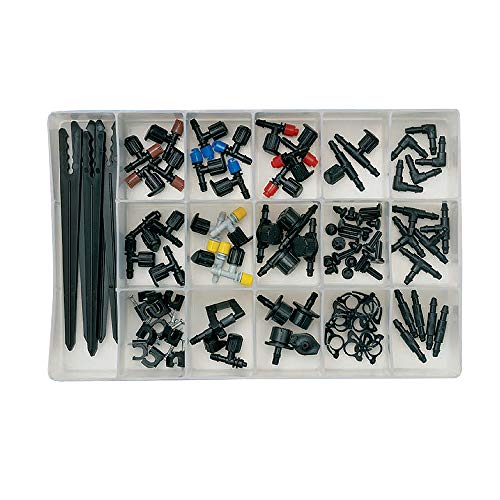
For optimizing plant health by applying water directly at the plant roots

Precision Watering for Healthier Plants: This drip irrigation system kit make you easily customize your watering with 16 flexible bendable misting arms that bend to any angle or height. Deliver water exactly where it’s needed—roots, stems, leaves, or flowers—so every plant gets the care it deserves. Promote stronger growth while reducing overwatering and plant disease.
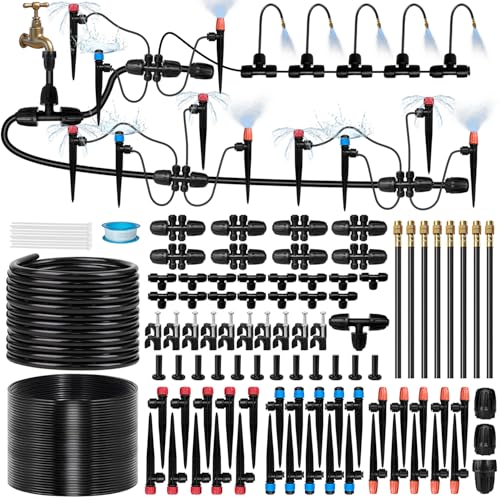
【Upgraded Tube Design & Water Saving】 Our garden watering system is upgraded to 1/2” diameter to support high water pressure. The 1/2” tee connector allows seamless splitting into 2 independent zones for customized watering schedules. By delivering moisture directly to root zones, this drip Irrigation system significantly reduces evaporation and runoff—saving more water compared to conventional sprinklers while eliminating the need for manual watering.
Watering Techniques
Watering strawberries effectively is crucial for success. Keep the following methods in mind:
- Drip Irrigation: Install drip lines to deliver water directly to the roots. This method prevents excess moisture on the foliage, reducing disease risk.
- Soaker Hoses: Lay soaker hoses along the strawberry rows. They provide consistent moisture and allow you to target specific areas.
- Regular Checks: Monitor soil moisture levels regularly. Stick your finger into the soil; if it feels dry, it’s time to water.
- Adjust for Seasons: Increase water during hot summer months; strawberries need more moisture while they’re fruiting.
Consistent watering practices keep strawberries healthy and productive, even under trees.
Mulching and Maintenance
Mulching and maintenance significantly enhance strawberry growth.
- Organic Mulch: Use straw, wood chips, or shredded leaves as mulch. It retains soil moisture, suppresses weeds, and adds nutrients as it decomposes.
- Layered Mulching: Apply a layer of mulch 3-4 inches thick around strawberries. This helps prevent soil temperatures from fluctuating too much.
- Regular Weeding: Keep the area free of weeds. Weeds compete for nutrients and water, which could hinder strawberry growth.
- Fertilization: Fertilize strawberries with a balanced organic fertilizer, especially in early spring. It encourages healthy growth and fruit production.
- Pruning: Prune fruit trees regularly to increase light exposure. This reduces competition and helps strawberries get the sunlight they need.
These maintenance strategies foster a thriving environment for strawberries under fruit trees.
Conclusion
Planting strawberries under fruit trees can be a rewarding experience if you take the right steps. With careful planning and consideration of light and nutrient needs you can create a thriving garden space. Remember to choose the right tree varieties and monitor soil conditions to give your strawberries the best chance to flourish.
By embracing companion planting you’ll not only enhance your strawberry yield but also promote a healthier garden ecosystem. With a little patience and attention you can enjoy the sweet rewards of both strawberries and fruit trees in your garden. Happy gardening!
Frequently Asked Questions
Can strawberries be grown beneath fruit trees?
Yes, strawberries can be grown beneath fruit trees if proper care is taken. It’s essential to choose dwarf or semi-dwarf tree varieties to allow adequate sunlight for the strawberries, which thrive in full sun.
What are the challenges of growing strawberries under trees?
The main challenges include competition for sunlight and nutrients. Strawberries require at least six hours of direct sunlight daily, and their growth can be stunted due to limited light and nutrient depletion from the soil.
How can I ensure proper sunlight for strawberries?
To maximize sunlight, select suitable dwarf tree varieties and plant strawberries in areas where they will receive adequate light. Pruning the trees regularly can also help increase light exposure for the strawberries.
What soil conditions are best for strawberries?
Strawberries prefer well-draining and nutrient-rich soil. It’s advisable to test the soil pH, amend it with compost or well-rotted manure, and ensure proper aeration to support healthy growth.
How often should I water strawberries beneath fruit trees?
Regular moisture monitoring is essential. Strawberries require consistent watering, ideally using drip irrigation or soaker hoses to keep the soil consistently moist without waterlogging.
What are the benefits of companion planting with strawberries?
Companion planting encourages healthier gardens by enhancing soil health, promoting natural pest control, and improving nutrient availability. Strawberries can benefit from the deeper roots of fruit trees, which help aerate compacted soil.
How can I manage pests while growing strawberries?
To manage pests, consider interplanting aromatic herbs that deter harmful insects. Strawberries also attract beneficial insects that prey on common pests, reducing the need for chemical pesticides.
What is the best spacing for strawberries planted under trees?
To minimize competition, strawberries should be spaced appropriately. A recommended spacing is about 12-18 inches apart, allowing each plant enough room for growth and access to nutrients.
How can I improve strawberry yields under fruit trees?
Improving strawberry yields can be achieved through regular fertilization with a balanced organic fertilizer, mulching to retain moisture, and keeping the area weed-free to eliminate competition for resources.
