

Have you noticed your fruit trees looking less than healthy? Fungal infections can sneak up on even the most diligent gardeners, turning vibrant leaves into unsightly spots and stunting fruit growth. If you’re worried about your trees, you’re not alone. Many gardeners face this frustrating challenge.
Key Takeaways
- Understanding Fungal Infections: Recognize common fungal types like Powdery Mildew, Cedar Apple Rust, and Botrytis Blight, which can affect fruit tree health and productivity.
- Early Detection: Monitor for symptoms such as discoloration, spots, wilting leaves, mold growth, and stunted growth to identify fungal issues promptly.
- Preventive Strategies: Implement proactive measures by selecting resistant tree varieties, applying proper planting techniques, and ensuring good air circulation to minimize fungal risks.
- Effective Treatment Options: Utilize both chemical treatments (like fungicides) and organic solutions (such as neem oil and baking soda) to combat fungal infections effectively.
- Post-Treatment Care: Regularly monitor tree health and adopt maintenance practices like pruning and proper watering to support recovery and prevent future infections.
Understanding Fungus on Fruit Trees
Fungal infections pose significant threats to the health and productivity of fruit trees. Recognizing the type of fungus and its symptoms early helps in effectively managing and treating the issue.
Common Types of Fungus
- Powdery Mildew: This fungus appears as white, powdery spots on leaves and stems. It thrives in warm, dry conditions and can inhibit photosynthesis.
- Cedar Apple Rust: Affects apple and crabapple trees, causing yellow-orange spots on leaves. It requires both cedar and apple trees to complete its life cycle.
- Botrytis Blight: Commonly seen in grapes and strawberries, this fungus leads to gray, fuzzy mold on fruit. It thrives in humid conditions, especially during bloom.
- Black Knot: It’s a serious disease affecting cherry and plum trees. This fungus causes dark, knot-like swellings on branches, which can stunt growth.
- Fusarium Wilt: This soil-borne fungus affects various fruit trees, causing wilting, stunted growth, and yellowing leaves.
- Discoloration: Look for yellowing or browning leaves, which can indicate fungal activity.
- Spots or Blotches: Unsightly spots on fruit or leaves signify potential fungal infection.
- Wilting or Dropping Leaves: A sudden wilting or leaf drop often indicates a serious problem, including fungus.
- Mold Growth: Noticeable mold or mildew on surfaces like leaves and fruit points to fungal diseases.
- Stunted Growth: Trees that grow slower than usual or appear unhealthy may harbor fungal infections, requiring immediate attention.
Identifying these signals promptly ensures effective management of fungal issues, promoting the health of your fruit trees.
Preventive Measures
Preventing fungal infections on fruit trees requires proactive strategies. By implementing these measures, you can promote healthier trees and minimize the risk of future infections.
Recommended Products
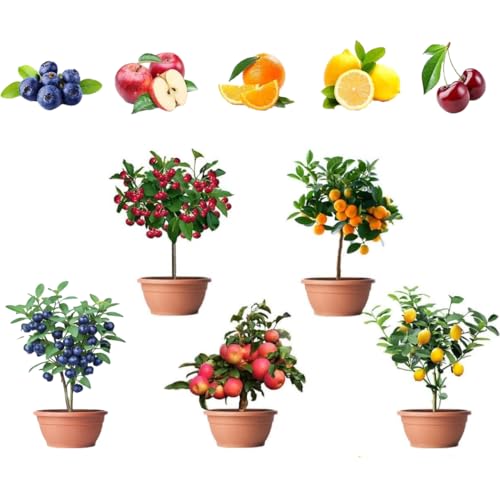
Variety Pack of 5 Fruits: Includes 40 Lemon seeds, 40 Orange seeds, 40 Apple seeds, 20 Cherry seeds, and 20 Blueberry seeds for a colorful and diverse home garden
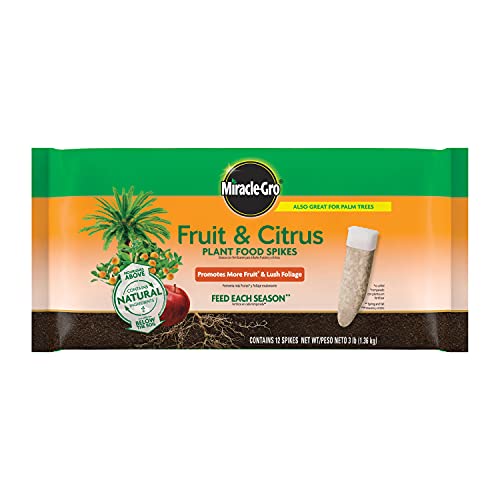
FORMULATED FOR CITRUS AND FRUIT TREES: Use these citrus fertilizer spikes on apple, orange, lemon, lime, and avocado trees; this formula is also great for feeding palm trees

KILLS LISTED FRUIT & CITRUS TREE INSECTS: Controls Asian Citrus Psyllid, Whiteflies, Aphids Thrips, Citrus Leafminers, Leafhoppers, Blackfly, Mealybugs, Scales, Avocado Lacebugs, Oriental Beetles, Flea Beetles, Sharpshooters, and Spittlebugs
Selecting Resistant Varieties
Choose varieties known for their resistance to fungal diseases. Examples include:
- Apple Trees: Look for varieties like ‘Liberty’ and ‘Enterprise’ that resist scab and other pathogens.
- Peach Trees: Opt for ‘Contender’ or ‘Redhaven’ as they show resistance to leaf curl and brown rot.
- Pears: Consider ‘Amos’ and ‘Bartlett’ for better resistance against fire blight.
Selecting resistant varieties ensures a more robust harvest and reduces the need for chemical treatments.
Proper Planting Techniques
Employ sound planting techniques to create an environment less conducive to fungal growth. Follow these guidelines:
- Spacing: Position trees with enough space between them, allowing for good air circulation. Aim for at least 15-25 feet apart.
- Soil Health: Test soil pH and ensure it’s between 6.0 and 6.8 for optimal nutrient availability. Amend with organic matter as needed.
- Watering: Water at the base of trees to keep leaves dry. Deep, infrequent watering encourages root development while minimizing moisture on foliage.
- Mulching: Apply a 2-3 inch layer of organic mulch around the base to retain moisture and suppress weed growth. Keep mulch away from the trunk to prevent rot.
By selecting resistant varieties and practicing proper planting techniques, you’re taking key steps toward maintaining healthy fruit trees and avoiding fungal problems.
Treatment Options
Several effective strategies exist to treat fungus on fruit trees. Both chemical treatments and organic solutions play a role in managing these infections, promoting healthier growth.
Recommended Products
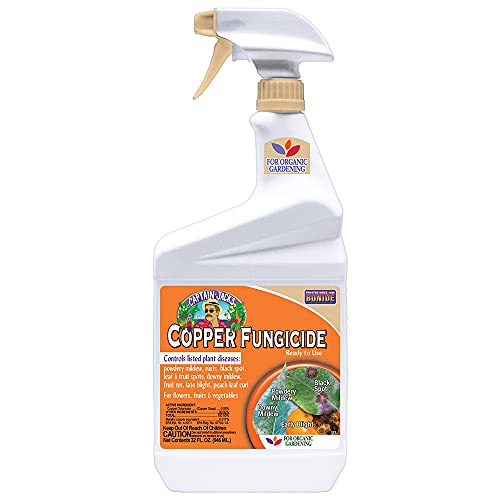
Control fungus and disease in your garden with Captain Jack’s ready-to-use Liquid Copper Fungicide!

Control fungus and disease in your garden with Captain Jack’s Liquid Copper Fungicide Concentrate!

Control diseases and insects in your garden with Captain Jack’s Fruit Tree Spray Concentrate! Use on a variety of listed fruits, nuts and citrus plants.
Chemical Treatments
Chemical treatments often provide a quick solution for fungal problems. Fungicides, available at garden centers, target specific fungi. Here are some options:
- Chlorothalonil: Effective against Powdery Mildew and Black Knot. Apply according to label instructions every 7-14 days during the growing season.
- Copper-based fungicides: Useful for a range of diseases, including Cedar Apple Rust and Botrytis Blight. Spray them during dormancy and early growth stages.
- Systemic fungicides: Such as Propiconazole, penetrate tree parts. They protect against Fusarium Wilt and similar issues. Follow dosage guidelines on packaging.
Always read labels carefully to observe safety precautions and application timing. Ensuring thorough coverage on tree leaves and branches enhances effectiveness.
Organic Solutions
Organic solutions present an eco-friendly approach to managing fungal infections. These methods prioritize plant health and soil balance. Consider these options:
- Neem oil: A natural pesticide that targets various fungi. Mix it with water and spray onto affected areas every 7-14 days.
- Baking soda: A household staple effective against Powdery Mildew. Mix 1 tablespoon of baking soda with 1 gallon of water and apply every two weeks.
- Apple cider vinegar: Acts as a fungicide. Combine 1 cup of vinegar with 1 cup of water and spray on infected areas to inhibit fungal growth.
In addition to these treatments, promoting tree health through proper care helps reduce future infections. Aim for good air circulation and avoid overhead watering to keep leaves dry.
Post-Treatment Care
Post-treatment care is essential for ensuring the health and longevity of your fruit trees after addressing fungal infections. Focus on monitoring tree health and implementing effective maintenance practices.
Recommended Products

Ships from Vermont

Control diseases and insects in your garden with Captain Jack’s Fruit Tree Spray Concentrate! Use on a variety of listed fruits, nuts and citrus plants.

APHID KILLER FOR GARDENS: This plant disease and bug control concentrate kills eggs, as well as larval and adult stages of insects; provides control of insect pests including aphids, mealybugs, mites, scales, whiteflies, beetles, and other listed pests
Monitoring Tree Health
Monitor your trees regularly for signs of recovery or recurrences of fungal infections. Check for changes in leaf color, new growth, or the appearance of spots. Use the following tips to effectively monitor tree health:
- Inspect leaves weekly for discoloration or spots.
- Observe branching for any signs of wilting or dieback.
- Track fruit development and check for any unusual growth patterns.
- Keep a journal documenting your observations to note trends over time.
Early detection of any issues can help you act quickly and protect your trees.
Maintenance Practices
Proper maintenance is crucial for supporting your trees’ recovery and preventing future fungal problems. Implement the following practices:
- Prune damaged branches promptly to improve airflow and reduce humidity around the tree.
- Water trees at the soil level, avoiding overhead watering to keep foliage dry.
- Apply a layer of organic mulch around the base to retain moisture and suppress weeds.
- Fertilize with a balanced fertilizer to promote healthy growth and resilience.
- Maintain optimal soil conditions through regular testing and amendments as needed.
Implementing these maintenance practices strengthens your trees and diminishes the risk of future fungal infections.
Conclusion
Caring for your fruit trees can be a rewarding experience when you keep fungal infections at bay. By staying vigilant and recognizing symptoms early you can take action to protect your trees. Remember to choose resistant varieties and follow proper planting techniques to create a healthy environment.
When treatment is necessary whether chemical or organic options are available make sure to follow guidelines for the best results. Post-treatment care is just as important so keep an eye on your trees and maintain good practices to support their recovery. With a little effort and attention you’ll enjoy a bountiful harvest and vibrant trees for years to come.
Frequently Asked Questions
What are the signs of fungal infections in fruit trees?
Fungal infections in fruit trees can present as discoloration, spots or blotches on leaves, wilting or dropping leaves, mold growth, and stunted growth. Recognizing these symptoms early is crucial for effective management and treatment.
Which fungi commonly affect fruit trees?
Common fungi that affect fruit trees include Powdery Mildew, Cedar Apple Rust, Botrytis Blight, Black Knot, and Fusarium Wilt. Each type has distinct symptoms and specific growth conditions, posing significant health threats to trees.
How can I prevent fungal infections in fruit trees?
To prevent fungal infections, choose resistant tree varieties like ‘Liberty’ for apples and ‘Contender’ for peaches. Additionally, ensure proper planting techniques, adequate spacing for air circulation, and maintain soil health with organic mulch to suppress weeds.
What are the treatment options for fungal infections?
Treatment options for fungal infections include chemical fungicides like Chlorothalonil and organic solutions such as neem oil and baking soda. Always follow label instructions for chemical treatments and consider eco-friendly alternatives for plant health.
How should I care for fruit trees after treating fungal infections?
Post-treatment care involves regular monitoring, including weekly inspections for discoloration and signs of wilting. Also, prune damaged branches, water at the soil level, apply organic mulch, and fertilize with a balanced fertilizer to ensure the tree’s health and recovery.
