

Spraying copper fungicide on plum trees is essential for preventing fungal diseases like brown rot and leaf curl. The best times to apply this treatment are during the dormant season and at specific growth stages to ensure maximum effectiveness.
Copper Fungicide Timing for Plum Trees
The timing of copper fungicide application on plum trees significantly impacts disease control. This fungicide is most effective when applied before symptoms appear. Early intervention can prevent the spread of fungal infections that could compromise tree health and fruit yield.
Recommended Products
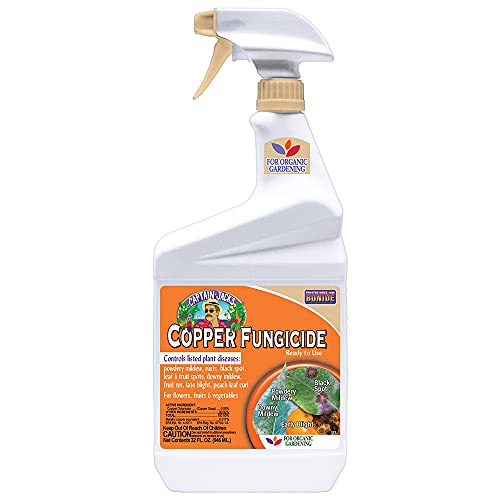
Control fungus and disease in your garden with Captain Jack’s ready-to-use Liquid Copper Fungicide!

Control plant common plant diseases in your home garden with Copper Fungicide Spray or Dust from Bonide!

For control of disease on vegetables, ornamentals, Fruit and nut crops & algae in turfgrass
Dormant Season Copper Fungicide Timing
Applying copper fungicide during the dormant season is crucial for protecting plum trees from fungal diseases. This period typically occurs in late winter to early spring before bud break. The fungicide acts as a protective barrier against pathogens that can overwinter in the tree.
Apply when temperatures are consistently above freezing.
Ensure the tree is free from moisture to enhance adhesion.
Use a fine mist to cover all surfaces, including branches and trunks.
Pre-Bloom and Post-Bloom Copper Applications
Timing is crucial when applying copper fungicide to plum trees, especially during the pre-bloom and post-bloom stages. These applications can significantly enhance the health of your trees by preventing fungal diseases that threaten fruit production. Understanding the optimal timing and conditions for these treatments will help ensure a robust harvest.
In addition to dormant applications, spraying copper fungicide during the pre-bloom and post-bloom stages is vital. These applications help control diseases that may develop as the tree begins to flower and set fruit.
Pre-bloom: Apply when buds are swelling but before they open. This timing protects blossoms from diseases like blossom blight.
Post-bloom: Apply after petal fall to protect young fruit from infections. This is particularly important in wet conditions.
Optimal Conditions for Copper Fungicide Application
Understanding the optimal conditions for applying copper fungicide on plum trees is crucial for effective disease management. This section delves into the specific environmental factors and timing that enhance the efficacy of the treatment, ensuring your trees remain healthy and productive throughout the growing season.
Several environmental factors can influence the timing of copper fungicide applications on plum trees. Understanding these factors can help optimize treatment efficacy.
Temperature: Ideal application temperatures range from 50°F to 70°F. Avoid spraying during extreme heat or cold.
Humidity: High humidity can increase the risk of fungal diseases. Monitor weather conditions to time applications effectively.
Rainfall: If rain is forecasted within 24 hours of application, consider delaying the spray to ensure it adheres properly.
Optimal Timing for Copper Fungicide Application
Understanding the optimal timing for applying copper fungicide on plum trees is crucial for effective disease management. This section delves into the best practices and professional insights to ensure your trees receive the necessary protection at the right moments throughout the growing season. Timing can significantly influence the success of your fungicide application and the overall health of your plum trees.
| Application Stage | Best Timing | Key Benefits | Notes |
|---|---|---|---|
| Dormant Season | Late winter to early spring | Prevents overwintering pathogens | Ensure tree is dry |
| Pre-bloom | Bud swelling | Protects blossoms | Apply before buds open |
| Post-bloom | After petal fall | Protects young fruit | Essential in wet conditions |
Copper Fungicide Application Safety Guidelines
Applying copper fungicide to plum trees can be an effective way to combat fungal diseases, but safety is crucial. Understanding the proper application techniques and safety guidelines ensures not only the health of your trees but also the well-being of those handling the fungicide. This section outlines essential safety measures to follow during the application process.
Proper safety measures and preparation are essential when applying copper fungicide. This ensures effective treatment and minimizes risks to the applicator and the environment.
Wear protective gear including gloves, goggles, and a mask.
Prepare the fungicide according to the manufacturer’s instructions.
Clean equipment thoroughly after use to prevent contamination.
Common Mistakes to Avoid
When applying copper fungicide on plum trees, avoiding common mistakes is crucial for effective disease management. Many gardeners inadvertently hinder their efforts by misapplying the product or neglecting optimal timing. Understanding these pitfalls can enhance your tree’s health and yield, ensuring a successful growing season.
Avoiding common mistakes can enhance the effectiveness of copper fungicide applications. Being aware of these pitfalls can save time and resources.
Do not apply during windy conditions, as drift can reduce efficacy.
Avoid over-application, which can harm beneficial insects and the tree itself.
Ensure thorough coverage of all tree surfaces for maximum protection.
Optimal Timing for Copper Fungicide Application
Understanding the optimal timing for applying copper fungicide on plum trees is crucial for effective disease management. This section delves into the best practices for timing your applications, ensuring that your trees receive the necessary protection during critical growth phases. By following these guidelines, you can enhance the health and yield of your plum trees.
Timing is crucial when applying copper fungicide on plum trees. Properly timed applications can significantly reduce the risk of fungal diseases and improve tree health. Always monitor environmental conditions and follow safety protocols for the best results.
