

Have you ever wondered where dragon fruit comes from? You might picture a tall tree laden with vibrant pink and green fruits, but the reality is quite different. Many people are surprised to learn that dragon fruit actually grows on a cactus, not a tree.
Key Takeaways
- Dragon fruit, also called pitaya, grows on cacti, particularly from the genus Hylocereus, not on trees.
- This tropical fruit thrives in warm climates and needs well-draining soil to prevent root rot.
- It features vibrant pink or yellow skin with a mildly sweet, refreshing taste similar to kiwi and pear.
- Various dragon fruit varieties exist, each with unique flavors and characteristics, including the white-fleshed, red-fleshed, and yellow dragon fruit.
- Cultivating dragon fruit offers health benefits, such as high vitamin C content and antioxidants, while also attracting beneficial nocturnal pollinators like bats.
- Growing your own dragon fruit can reduce grocery expenses and provide aesthetic appeal to your garden with its striking flowers and fruit.
Overview of Dragon Fruit
Dragon fruit, also known as pitaya, originates from various species of cactus, primarily from the genus Hylocereus. It thrives in warm, tropical climates. This unique fruit features vibrant pink or yellow skin and green scales, resembling a mythical creature.
Dragon fruit grows on climbing cacti rather than trees. The cacti can reach heights of up to 20 feet. You may find them sprawling over fences or utilizing trellises for support.
The plant produces large, white flowers that bloom overnight and attract nocturnal pollinators, mainly bats. Once pollinated, these flowers develop into the striking fruit, which typically weighs between 0.5 to 2 pounds.
Dragon fruit’s taste is mildly sweet and refreshing, reminiscent of a cross between kiwi and pear. You can enjoy it fresh, blended into smoothies, or as an ingredient in salads. Nutritionally, dragon fruit is low in calories and high in vitamin C and fiber, making it a healthy addition to your diet.
Understanding Dragon Fruit
Dragon fruit, also known as pitaya, grows on cacti, not trees. This fruit thrives in warm, tropical climates, making it a popular choice in many parts of the world. Its vibrant appearance and unique flavor can add excitement to your meals.
Recommended Products

Supports Flowering & Fruit Development – Helps promote strong blooms, improved fruit set, and steady fruit growth.
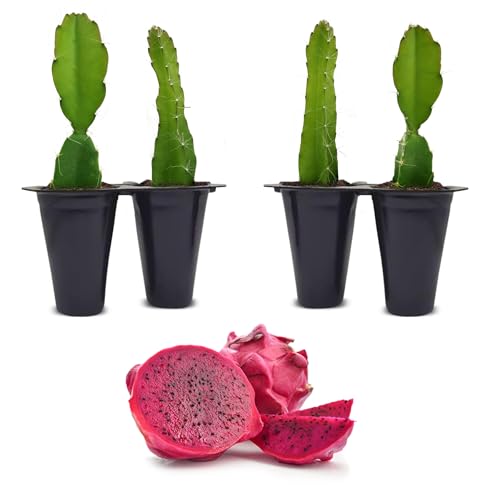
🌱 4 Starter Plants – Real live Dragon Fruit Edgar’s Baby plants for sale, perfect for growing your own exotic tropical fruits.

The price includes one 12" -18" long Dragon Fruit Plants with 4" pot and soil These are 2.5 year old plants
What Is Dragon Fruit?
Dragon fruit comes from several species of cacti, mainly from the genus Hylocereus. The fruit sports a bright skin that can be pink or yellow, adorned with green scales. Inside, the flesh typically features a white or red hue, dotted with tiny black seeds. This mildly sweet fruit offers a taste reminiscent of kiwi and pear, which makes it a delightful addition to various dishes.
Varieties of Dragon Fruit
Several varieties of dragon fruit exist, each with distinct characteristics:
- Hylocereus undatus: Known as the white-fleshed dragon fruit, it features a pink skin with white flesh. This variety is the most common.
- Hylocereus costaricensis: Known for its red flesh and bright pink skin, this variety is sweeter and often has a more vibrant flavor.
- Hylocereus megalanthus: The yellow dragon fruit boasts a yellow skin and white flesh. It’s smaller and has a sweeter taste compared to other varieties.
Growing Conditions for Dragon Fruit
Dragon fruit grows best in specific conditions that mimic its native environment. Understanding these conditions helps in cultivating healthier plants and producing delicious fruit.
Recommended Products

Miracle-Gro Indoor Potting Mix for Cactus and Succulent is enriched with Miracle-Gro Plant Food and enhances desert plant vitality (vs unfed plants when used as directed)

Includes 6qt of Back to the Roots Succulent & Cacti Mix Potting Soil. Carefully crafted with succulents and cacti in mind, this specialized blend provides the perfect nutrient balance for optimal growth

Includes 12qt of Back to the Roots Succulent & Cacti Mix Potting Soil. Carefully crafted with succulents and cacti in mind, this specialized blend provides the perfect nutrient balance for optimal growth
Climate Requirements
Dragon fruit thrives in warm, tropical or subtropical climates. It enjoys temperatures between 65°F and 100°F. Areas with full sun exposure promote the best growth. While the plant can tolerate brief periods of cold, temperatures below 32°F can damage it. If you’re in cooler regions, consider growing dragon fruit in pots, allowing you to move it indoors during frost.
Soil Preferences
Dragon fruit prefers well-draining soil with a pH between 6.0 and 7.0. Sandy or loamy soils work best, as they prevent waterlogging. You can improve soil drainage by mixing in organic matter, like compost, or utilizing raised beds. Make sure the planting site doesn’t retain excessive moisture, as this can lead to root rot. If you’d like to get started, check local gardening stores for cactus potting mixes tailored to these needs.
Does Dragon Fruit Grow on a Tree?
Dragon fruit doesn’t grow on a tree. Instead, it thrives on climbing cacti, primarily from the genus Hylocereus. These cacti develop long, segmented stems that can extend up to 20 feet in height.
Recommended Products

【Durable Metal Construction】This dragon fruit plant rack is made of high-quality metal, sturdy and durable. This dragon fruit trellis has excellent weather resistance, providing strong support for the healthy growth of your climbing plants both indoors and outdoors.

【Durable And Long-lasting】Our ultra thick dragon fruit rack is designed specifically for climbing plants such as dragon fruit. This dragon fruit trellis is forged from high-quality metal materials and has excellent durability. In order to increase its stability, it has been bolded overall to ensure reliable support under various indoor and outdoor conditions.

【Durable Metal Construction】This dragon fruit plant rack is made of high-quality metal, sturdy and durable. This round dragon fruit trellis has excellent weather resistance, providing strong support for the healthy growth of your climbing plants both indoors and outdoors.
Explanation of Growth Patterns
Cacti supporting dragon fruit are known as epiphytic plants. Epiphytic plants grow on other surfaces, using them for climbing rather than parasitism. You can find these plants sprawling over fences or trellises, where they seek sunlight and support. The cacti produce large, white flowers that bloom at night, attracting nocturnal pollinators like bats. After successful pollination, these flowers develop into the vibrant fruit you see in grocery stores.
Comparison with Other Fruits
Unlike many common fruits, dragon fruit’s growth on cacti distinguishes it from tree-borne fruits such as apples and oranges. Tree fruits typically grow on branches and require solid wood structures. In contrast, dragon fruit grows on climbing structures, which allows it to thrive in its native tropical environment. Other examples of fruits from unique growth patterns include strawberries, which grow on low-lying plants, and pineapples, which develop from the ground on spiky plants.
Benefits of Growing Dragon Fruit
Growing dragon fruit offers numerous advantages that make it an appealing choice for gardeners and fruit enthusiasts alike.
Nutritional Value
- Dragon fruit contains vitamins C and B, antioxidants, and fiber. Its low-calorie count makes it a healthy snack option.
- Antioxidants in dragon fruit can help combat oxidative stress and may reduce inflammation.
Unique Taste and Versatility
- Dragon fruit has a mild sweetness, often compared to kiwi and pear. It’s delicious fresh, blended in smoothies, or tossed in salads.
- You can experiment with recipes, adding dragon fruit to desserts, salsa, and even cocktails for a vibrant twist.
Easy Cultivation
- Dragon fruit thrives in warm climates, making it suitable for many regions. Its resilience allows it to tolerate drought conditions.
- You can grow dragon fruit in pots or directly in the ground, giving you flexibility in gardening spaces.
Aesthetic Appeal
- Dragon fruit plants produce striking flowers that bloom overnight. The large white petals create a stunning visual for your garden.
- The plant’s unique structure and colorful fruit bring an exotic touch to any landscape.
Support for Pollinators
- Dragon fruit flowers attract nocturnal pollinators like bats, playing a role in local ecosystems.
- By planting dragon fruit, you contribute to the health of pollinator populations in your area.
Economical Choice
- Growing your own dragon fruit can reduce grocery bills, especially if you consume it frequently.
- Once established, the plant can produce fruit for many years, providing a steady supply with minimal upkeep.
- Cultivating dragon fruit offers a sense of achievement and connection to nature. Watching the growth process can be rewarding.
- The experience of harvesting and enjoying your own fruit enhances the joy of gardening.
These benefits highlight why growing dragon fruit is a desirable project for anyone interested in gardening or healthy eating.
Conclusion
Now that you know dragon fruit grows on cacti instead of trees you can appreciate its unique beauty and versatility even more. Whether you’re considering adding this stunning plant to your garden or just curious about its origins it’s clear that dragon fruit brings a lot to the table.
With its vibrant colors and delicious taste it’s not just a feast for the eyes but also a nutritious addition to your diet. Plus growing it can be a rewarding experience that benefits both you and local pollinators. So why not give dragon fruit a try? You might just find it becomes a favorite in your kitchen and garden.
Frequently Asked Questions
What is dragon fruit?
Dragon fruit, also known as pitaya, is a fruit that grows on climbing cacti, primarily from the genus Hylocereus. It features vibrant pink or yellow skin and green scales, and it has a mildly sweet taste, often compared to kiwi and pear.
Where does dragon fruit grow?
Dragon fruit thrives in warm, tropical or subtropical climates with temperatures between 65°F and 100°F. It prefers full sun exposure and can be grown in well-draining sandy or loamy soils.
How is dragon fruit cultivated?
Dragon fruit is typically grown on trellises or fences to support its climbing cacti. It requires good drainage and can be planted in pots for easier management in cooler climates, allowing for indoor relocation during frost.
What are the different varieties of dragon fruit?
There are several varieties of dragon fruit, including Hylocereus undatus (white flesh and pink skin), Hylocereus costaricensis (red flesh and sweeter), and Hylocereus megalanthus (yellow skin and smaller). Each offers distinct flavors and textures.
What are the health benefits of dragon fruit?
Dragon fruit is low in calories and high in vitamin C, antioxidants, and fiber, making it a nutritious addition to your diet. It can help improve digestion and boost the immune system while being a refreshing snack.
How does dragon fruit pollinate?
Dragon fruit flowers bloom overnight and are primarily pollinated by nocturnal creatures like bats. Successful pollination is key for the fruit to develop, resulting in the distinctive pitaya we enjoy.
Can you grow dragon fruit in cooler climates?
Yes, you can grow dragon fruit in cooler climates by using pots to bring the plants indoors during frost. They can tolerate brief cold spells but should be protected from temperatures below 32°F.
How should dragon fruit be eaten?
Dragon fruit can be enjoyed fresh, added to smoothies, or used in salads and desserts. Its unique flavor and appearance make it a versatile ingredient in culinary dishes.
