

Have you ever wondered how long it takes for a guava tree to start bearing fruit? If you’re thinking about planting one or already have, you’re probably eager to enjoy those delicious, tropical treats. Understanding the timeline can help you plan better and manage your expectations.
Key Takeaways
- Guava trees typically take 2 to 4 years to start bearing fruit, influenced by factors such as age, variety, and growing conditions.
- Proper growing conditions are crucial; guava trees need 6 to 8 hours of sunlight, well-draining soil, and a pH of 6.0 to 7.5 for optimal growth.
- Some early-bearing varieties, like Pineapple guava, may produce fruit within 2 years, while others, like Costa Rican guava, can take 3 to 4 years.
- Regular care and maintenance including adequate watering, balanced fertilization, and proper pruning significantly enhance fruit yield and tree health.
- Planting grafted seedlings can accelerate the time to fruit-bearing compared to starting from seeds.
- Understanding the specific variety of guava you choose can help set realistic expectations for fruit production and optimize your harvesting experience.
Overview Of Guava Trees
Guava trees thrive in tropical and subtropical climates. They prefer well-draining soil and areas with full sunlight. When it comes to caring for these trees, adequate watering and regular pruning contribute significantly to their health and fruit production.
Guava trees can reach heights of 10 to 30 feet, depending on the variety. Common types of guava include pineapple guava (Feijoa sellowiana) and Costa Rican guava (Psidium friedrichsthalianum). Each type offers unique flavors and characteristics, making them popular among fruit enthusiasts.
Planting guava trees requires specific conditions for optimal growth. Choose a space with plenty of sunlight, ideally 6 to 8 hours daily. Ensure the soil is rich in organic matter and has a pH between 6.0 and 7.0. It’s beneficial to amend the soil with compost or well-rotted manure before planting.
Once planted, guava trees typically take 2 to 4 years to bear fruit, depending on the variety and growing conditions. Trees grown from seeds may take longer compared to those planted as grafted seedlings. Maintaining consistent care can expedite fruit production.
Fruiting can occur multiple times a year. Some varieties even produce fruit twice annually, offering a steady supply of guavas. With proper conditions and care, you can enjoy fresh, homegrown fruit in no time.
Factors Affecting Fruit Bearing
Several factors influence how quickly a guava tree bears fruit. Understanding these elements helps you make informed decisions about your tree’s care and management.
Recommended Products

Supports Flowering & Fruit Production – Helps encourage strong flowering, fruit set, and consistent guava development.

Package contains 4 Pounds organic fruit and citrus fertilizer grains and is produced to avoid wasteful runoff, mess, hazards and smells

Essential Nutrients:- This organic fertilizer contains all the essential nutrients guava plants need for maximum growth and heavy fruiting including nitrogen, phosphorus, potassium, and microorganisms.
Age of the Tree
Age plays a significant role in when a guava tree produces fruit. Trees typically start bearing fruit at 2 to 4 years after planting. Younger trees may not produce as much fruit, while mature trees yield more. Regular care and attention during this growth period enhance fruiting potential.
Growing Conditions
Growing conditions directly impact fruit production. Guava trees thrive in full sunlight, ideally requiring 6 to 8 hours of direct light daily. Ensure the soil is well-draining with a pH of 6.0 to 7.5. Adequate water, especially during dry spells, supports healthy growth. Fertilization with a balanced nutrient mix bolsters tree health and fruit yield.
Variety of Guava
Different varieties of guava exhibit varying fruit-bearing timelines. For instance, Pineapple guava often reaches fruit-bearing age sooner than Costa Rican guava. Knowing the specific variety helps set realistic expectations about when to see fruit. Selecting the right type for your climate also maximizes productivity and enhances flavor.
Typical Timeframe for Fruit Bearing
Guava trees typically take 2 to 4 years to start producing fruit. The exact timeframe depends on several factors, including tree age, variety, and growing conditions.
Recommended Products

Fragrant Flowers: Bloom blossoms that provide precious nectar for pollinators like bees, creating your own romantic orchard with heavy fruit and rich flavor

READY TO PLANT: These 3 thriving Pineapple Guava saplings (Feijoa Sellowiana variety) arrive in 2.5-inch nursery cubes, ready to plant. These versatile, tropical (and pet-safe!) evergreen trees and shrubs offer year-round beauty and fruit in any home.

High Nutritional Value: Guava fruit is packed with vitamins, particularly vitamin C, antioxidants, fiber, and essential minerals, making it a nutritious addition to any diet.
Standard Growth Period
Most guava trees enter their fruit-bearing phase between 2 and 4 years of age. Within this timeframe, trees generally develop the necessary root systems and foliage to support fruit growth. Ensure you provide proper care during these early years, as it significantly impacts fruit yield. Some trees, particularly those planted in ideal conditions, might bear fruit as early as 1 year, especially if grown from grafted seedlings.
Early Bearing Varieties
Some guava varieties are known for their quicker maturation. For example, pineapple guava may start producing fruit within 2 years, while Costa Rican guava often takes longer, around 3 to 4 years. Selecting an early-bearing variety can enhance your harvest timeline. Always check with local nurseries for available varieties that thrive in your region. Proper care, including regular watering and adequate sunlight, further supports quicker fruiting.
Care and Maintenance Tips
Caring for your guava tree ensures healthy growth and fruit production. Here are key areas to focus on for optimal results.
Recommended Products

【4 in 1 function】This is a 4-in-1 multifunctional soil tester.Our soil tester fastly to measure soil moisture, pH, temperature and sunlight to help you take better care of flowers and plants.You can know when you need to water your soil by measuring moisture and pH & Temperature value of the soil and sunlight level of plants with it.

Kindly NOTE: This soil tester can not be applied to test pH value of any other liquid. If the soil is too dry the indicator will not move, and water it before testing.
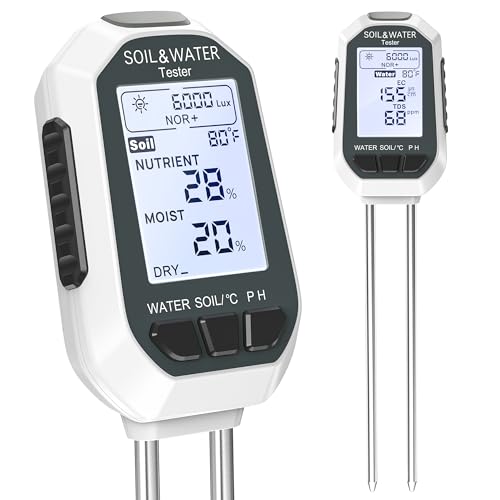
【7-in-1 Features】This is a 7-in-1 multi-function soil tester. Our soil tester quickly measures soil moisture, pH, temperature and light intensity, and its fertility function helps you take better care of your plants. With this device you can measure the soil moisture, pH, temperature and light intensity for your plants and with the EC and TDS functions you will know when it is time to water the soil.
Soil and Water Requirements
Guava trees thrive in well-draining soil. Aim for a soil pH between 6.0 and 7.5 for best results. You can test your soil using a pH meter or test kit.
Water your guava tree regularly, especially during dry spells. The soil should remain moist but not soggy. An inch of water per week is ideal. In periods of extreme heat, increase watering frequency to maintain soil moisture.
Pruning Techniques
Regular pruning promotes bushier growth and enhances fruit production. Begin pruning when the tree is around 1 to 2 years old. Focus on the following techniques:
- Remove Dead or Diseased Branches: This prevents pest infestations and encourages new growth.
- Thin Out Overcrowded Branches: Space allows for better air circulation and sunlight exposure.
- Shape the Tree: Cut back long branches to encourage a balanced canopy.
Prune during the tree’s dormant season, typically from late winter to early spring. This timing helps minimize stress and promotes healthy growth as the new season begins.
By following these care and maintenance tips, you’ll create a nurturing environment for your guava tree to thrive and produce fruit successfully.
Conclusion
Growing a guava tree can be a rewarding experience as you watch it flourish and eventually bear fruit. With the right care and attention you can expect your tree to start producing fruit within 2 to 4 years. Remember that factors like the variety you choose and the conditions you provide play a significant role in this timeline.
By selecting an early-bearing variety and ensuring your tree gets plenty of sunlight and proper watering you’ll set yourself up for success. So get ready to enjoy the sweet rewards of your patience and hard work when your guava tree finally starts to bear fruit. Happy gardening!
Frequently Asked Questions
How long does it take for a guava tree to bear fruit?
Guava trees typically take 2 to 4 years to start producing fruit. However, under ideal conditions, some varieties may bear fruit as early as 1 year, especially if grown from grafted seedlings.
What growing conditions do guava trees need?
Guava trees thrive in tropical and subtropical climates, preferring well-draining soil with a pH of 6.0 to 7.5. They require 6 to 8 hours of direct sunlight daily and regular watering, especially in dry spells.
What are some popular guava tree varieties?
Popular guava varieties include pineapple guava and Costa Rican guava. Pineapple guava typically produces fruit earlier, within 2 years, while Costa Rican guava may take 3 to 4 years to bear fruit.
How do I care for my guava tree?
Proper care for guava trees includes ensuring well-draining soil, regular watering, and timely pruning. Prune during the dormant season to promote healthy growth and remove dead or overcrowded branches for better air circulation.
Can I expect multiple harvests from my guava tree?
Yes, guava trees can produce multiple harvests each year, especially with good care and maintenance. Providing optimal growing conditions and selecting early-bearing varieties can help enhance your harvest.
