

Growing grapefruit trees in Michigan is feasible with the right techniques and care. By selecting cold-hardy varieties and providing proper protection during winter, you can successfully cultivate these trees in the Great Lakes region.
Cold-Hardy Grapefruit Varieties for Michigan
Choosing the right grapefruit variety is crucial for success in Michigan’s climate. Cold-hardy varieties such as Ruby Red and Oro Blanco can withstand cooler temperatures better than traditional types. These varieties not only offer a sweet flavor but also adapt well to Michigan’s growing conditions.
Recommended Products

Hardiness zones: USDA 10–11; No shipping to HI, PR, AK, CA

🍇 Sweet, Medium-Sized Figs – Rich flavor with glossy dark purple skin and vibrant interior.
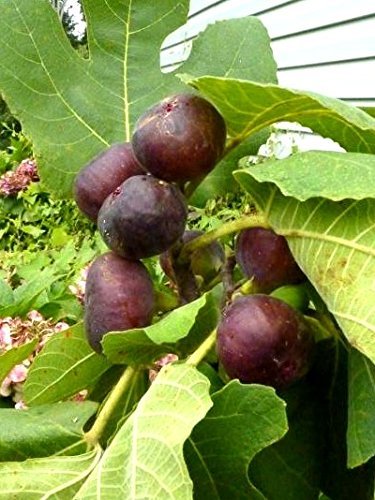
Includes Four Plants of "Chicago Hardy" Fig Trees with 4 Hello Organic Plant Tags. These are 2 inch rooted plants shipped in 2 inch tray pots and are 2-5 inches tall.
Cold Hardy Grapefruit Varieties for Michigan
In Michigan’s unique climate, growing grapefruit trees may seem challenging, but certain cold-hardy varieties thrive despite the cold winters. This section explores the best grapefruit options that can withstand the state’s temperatures, ensuring that enthusiasts can enjoy this citrus fruit even in the Great Lakes region. Discover which varieties are most suitable for successful cultivation in Michigan’s diverse environment.
| Variety | Cold Hardiness | Flavor Profile | Growth Habit |
|---|---|---|---|
| Ruby Red | 20°F | Sweet | Compact |
| Oro Blanco | 25°F | Mildly Sweet | Spreading |
| Pink Grapefruit | 22°F | Tangy | Upright |
Site Preparation for Grapefruit Trees
Preparing the right site is crucial for successfully growing grapefruit trees in Michigan, where the climate presents unique challenges. Proper site selection and preparation can significantly influence the health and productivity of these trees, ensuring they thrive in the Great Lakes region. This section outlines essential steps to create an optimal environment for grapefruit cultivation.
Proper site preparation is essential for healthy grapefruit trees. Choose a location that receives full sun for at least six hours daily. Ensure the soil drains well to prevent root rot, which is common in overly saturated conditions.
Optimal Soil pH for Grapefruit Trees
Understanding the optimal soil pH is crucial for successfully growing grapefruit trees in Michigan’s unique climate. The right pH level not only affects nutrient availability but also influences tree health and fruit production. This section delves into the ideal soil conditions necessary for thriving grapefruit trees in the Great Lakes region.
pH level should be between 6.0 and 7.0
Amend soil with organic matter to improve drainage
Test soil for nutrient levels before planting
Grapefruit Tree Planting Best Practices
Planting grapefruit trees requires careful attention to detail. Dig a hole that is twice the width of the root ball and slightly deeper. Place the tree in the center and backfill with soil, ensuring the graft union is above soil level.
Planting Grapefruit Trees in Michigan
Planting grapefruit trees in Michigan presents unique challenges due to the region’s climate. Understanding the specific conditions required for successful growth is essential for gardeners looking to cultivate these citrus trees. This section will explore the best practices for planting grapefruit trees in Michigan, ensuring a fruitful endeavor despite the state’s cooler temperatures.
Select a healthy tree from a reputable nursery.
Dig a hole twice the width of the root ball.
Position the tree in the center of the hole.
Backfill with soil and water thoroughly.
Mulch around the base to retain moisture.
Winter Protection for Grapefruit Trees
Grapefruit trees can be a rewarding addition to Michigan gardens, but their survival through harsh winters requires careful planning. This section outlines effective strategies for protecting these delicate trees from freezing temperatures and frost damage, ensuring they thrive even in the challenging climate of the Great Lakes region.
Michigan winters can be harsh, making protection essential for grapefruit trees. Use frost cloths or burlap to wrap the trees during extreme cold spells. Additionally, consider using heat lamps or frost blankets for added warmth.
Recommended Products

15 Feet Long: You will receive a natural jute burlap plant blanket, measuring approximately 15 feet in length and 23.6 inches in width. This generous size ensures thorough protection against the cold for your plants and offers great convenience in wrapping them. Moreover, the burlap plant blanket can be easily cut to accommodate multiple plants.

Sturdy Material, Porous and Breathable: our tree wrap is made of jute burlap material. It was light weight so it didn't hurt the plants and keeping them warm saved them from freezing, and dries faster than most wraps after it gets wet so the danger of rotting is broken

[VALUE 2 PACK]:You will receive 2PCs burlap plant cover bags, each measuring 45 X 47 inches. This ample quantity and rustic design ensure you have enough covers to protect your plants throughout winter, with added convenience for replacement. Perfect for various garden sizes and tree types.
Burlap Insulation Techniques for Grapefruit Trees
Protecting grapefruit trees in Michigan from harsh winter conditions is crucial for their survival and growth. Burlap insulation techniques offer an effective solution to shield these trees from freezing temperatures and wind damage. Understanding how to properly implement these methods can significantly enhance the resilience of grapefruit trees in the Great Lakes region.
Wrap trees with burlap for insulation
Use heat lamps during severe cold
Apply mulch around the base to retain heat
Irrigation and Nutrition for Grapefruit Trees
Irrigation and nutrition are critical factors for successfully growing grapefruit trees in Michigan’s unique climate. Understanding the specific water and nutrient needs of these trees can significantly enhance their growth and fruit production. This section will explore effective strategies to ensure that grapefruit trees thrive in the Great Lakes region.
Proper watering and fertilizing are vital for the growth of grapefruit trees. Water deeply but infrequently to encourage deep root growth. Use a balanced fertilizer during the growing season to provide essential nutrients.
Grapefruit Tree Care: Watering and Fertilizing
Caring for grapefruit trees in Michigan requires careful attention to their unique watering and fertilizing needs. These trees thrive in specific conditions, and understanding how to provide adequate moisture and nutrients is essential for their growth and fruit production. The following guidelines will help ensure your grapefruit trees flourish in the Great Lakes climate.
| Season | Watering Frequency | Fertilizer Type |
|---|---|---|
| Spring | Every 7-10 days | Balanced 10-10-10 |
| Summer | Every 5-7 days | Citrus-specific blend |
| Fall | Every 10-14 days | Slow-release formula |
Grapefruit Tree Pest and Disease Control
Maintaining the health of grapefruit trees in Michigan requires vigilance against pests and diseases that can threaten their growth and fruit production. Understanding the common challenges faced by these trees in a cooler climate is essential for successful cultivation. This section delves into effective strategies for pest and disease control tailored to the unique conditions of the Great Lakes region.
Grapefruit trees are susceptible to various pests and diseases. Regular monitoring is necessary to catch issues early. Common pests include aphids and spider mites, while diseases such as root rot can occur in poorly drained soil.
Pest Inspection Strategies for Grapefruit Trees
Maintaining the health of grapefruit trees in Michigan requires vigilant pest inspection strategies. Given the unique climate and potential pest pressures in the Great Lakes region, understanding effective monitoring and management techniques is essential for ensuring robust tree growth and fruit production. This section outlines practical approaches to safeguard your grapefruit trees from common pests.
Inspect leaves weekly for pests
Use insecticidal soap for aphids
Ensure proper drainage to prevent root rot
Peak Ripeness Indicators for Grapefruit
Understanding when grapefruit reaches peak ripeness is crucial for maximizing flavor and quality. In Michigan’s unique climate, specific indicators can help growers determine the optimal harvest time. This section outlines the key signs to look for, ensuring a successful yield of this citrus fruit.
Harvesting grapefruit at the right time ensures optimal flavor and quality. Grapefruit typically ripens in late fall to early winter. Look for a slight color change and a firm texture to determine readiness.
Grapefruit Ripening Indicators in Michigan
Understanding the ripening indicators for grapefruit trees in Michigan is crucial for successful cultivation in this unique climate. Grapefruit, typically associated with warmer regions, can thrive in Michigan with the right care and attention. This section outlines key signs to monitor for optimal fruit development and harvesting.
Check for color change from green to yellow
Gently twist the fruit to detach
Store harvested grapefruit in a cool, dry place
Grapefruit Cultivation Tips for Michigan
Growing grapefruit trees in Michigan requires dedication and attention to detail. By selecting the right variety, preparing the site properly, and protecting the trees during winter, you can enjoy a fruitful harvest. Regular care and monitoring will help ensure the health and productivity of your grapefruit trees.
