

Have you ever wondered if fall is the right time to trim your fruit trees? Many gardeners face this dilemma as the leaves start to fall and the weather cools down. You might be thinking about how to keep your trees healthy and productive for the next season.
Trimming your fruit trees can seem tricky, especially with all the conflicting advice out there. But understanding the best practices for fall pruning can make a big difference in your tree’s growth and fruit production. This article will guide you through the ins and outs of trimming fruit trees in the fall, helping you make informed decisions that benefit your garden and your harvest.
Key Takeaways
- Optimal Timing: Fall is a good time to trim certain fruit trees, particularly after they enter dormancy, to reduce stress on the tree.
- Tree Assessment: Evaluate your trees for dead, diseased, or overgrown branches before trimming to promote healthy growth.
- Limited Pruning: Avoid removing more than 25% of the tree’s canopy to maintain its vitality and future fruit production.
- Use the Right Tools: Ensure you have sharp, clean tools such as loppers and pruning shears to make precise cuts and prevent disease spread.
- Be Mindful of Conditions: Consider climate and weather when planning your pruning; avoid damp conditions to minimize fungal risks.
- Different Tree Needs: Understand that different types of fruit trees may require specific pruning techniques for best results.
Overview of Trimming Fruit Trees
Trimming fruit trees involves removing specific branches to promote healthy growth and enhance fruit production. Knowing when and how to trim is crucial, especially in fall.
Recommended Products
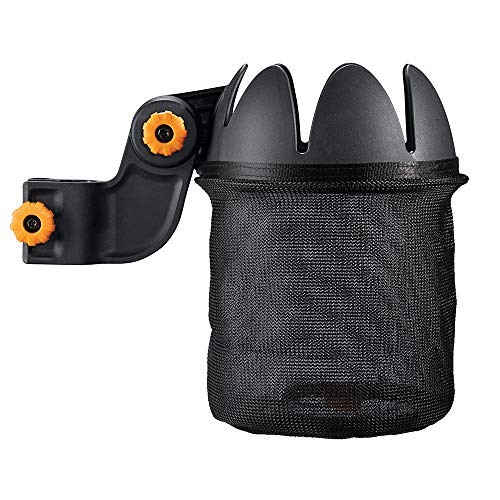
Fiskars Fruit Picker Basket harvests fruit from tall trees without bruising or scratching
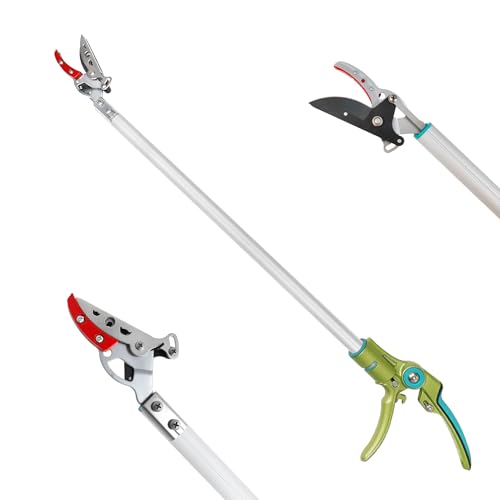
[REACH HIGH & STAY SAFE](No Ladder Required) Say goodbye to wobbly ladders! This 32inch long reach pole pruner offers an extra 30 inches of safe reach, allowing you to prune high branches or tall fruit trees while standing firmly on the ground. It’s the perfect extension tool for maintaining your backyard without the risk of falling.

Multipurpose Bark Removal: This tree bark removal tool is built for bark cutting, fruit tree girdling, branch trimming, and grafting tasks, giving gardeners one ring stripping knife for several routine orchard jobs while helping keep work organized and efficient
Timing of Trimming
Trimming in fall offers unique advantages but also presents challenges. It’s essential to assess the type of fruit tree you have. For example:
- Apple Trees: Trimming during fall helps remove dead or overgrown branches.
- Peach Trees: Timing is critical; fall pruning can hinder fruit development.
Benefits of Trimming in Fall
Trimming fruit trees in fall can be beneficial if done correctly. Benefits include:
- Encouraging Growth: Trimming stimulates new growth in spring.
- Enhanced Air Circulation: Proper trimming improves airflow, reducing disease risks.
- Pest Control: Removing dead branches discourages pest infestations.
Best Practices for Fall Trimming
Follow these best practices when trimming in fall:
- Evaluate the Tree: Assess the tree for dead or diseased branches.
- Choose the Right Tools: Use sharp, clean pruning shears or saws.
- Make Clean Cuts: Aim for a 45-degree angle to encourage quick healing.
- Limit Heavy Pruning: Avoid excessive trimming; remove no more than 25% of the tree’s canopy.
Considerations Before Trimming
Before you start trimming, consider these factors:
- Climate Conditions: Trimming may not be ideal in cold areas; wait until winter.
- Tree Type: Understand specific trimming needs for different fruit trees.
- Disease Presence: Avoid trimming if your tree shows signs of disease.
Engaging in fall trimming can benefit your fruit trees if done with care and knowledge. Assess your trees and conditions to ensure effective and healthy growth.
Benefits of Trimming in the Fall
Trimming fruit trees in the fall offers several important benefits that enhance their growth and productivity. Understanding these advantages can help you make informed decisions about your gardening practices.
Improved Tree Health
Improving tree health is one major benefit of fall trimming. Removing dead, damaged, or diseased branches reduces the chance of disease spread throughout the tree. Clearing these branches allows the tree to redirect energy into healthier growth. For example, if you notice branches infected by pests or rot, trimming them in the fall can strengthen the overall tree structure. Additionally, fall pruning can enhance sunlight penetration and airflow within the canopy, reducing the risk of fungal infections.
Enhanced Fruit Production
Enhanced fruit production is another significant advantage. Trimming in the fall encourages better fruiting next season by stimulating bud development. When you remove less productive branches, the tree can allocate more nutrients to the remaining limbs. This practice can lead to larger, higher-quality fruit in the following harvest. Peach trees in particular may benefit from this approach, as it helps ensure fresh growth that sets the stage for a productive year ahead.
By trimming at the right time, you set your fruit trees up for health and productivity in the upcoming growing season.
Best Practices for Fall Trimming
Fall trimming helps you maintain the health and productivity of your fruit trees. Keeping a few best practices in mind enhances your success.
Recommended Products

Versatile Cutting Applications: Suitable for precision pruning of branches, tall hedges, and dense bushes, as well as delicate tasks like pruning flowers and harvesting fruit

Durable & Long-Lasting: Crafted from high-quality materials, these fruit tree branch pullers to withstand the rigors of outdoor use season after season. Resistant to rust, weathering, and wear, they provide consistent performance, becoming your go-to tools for maintaining your orchard year after year.

Package Includes: Come with 24 pieces of fruit branch forms stronger branches. which can be used to pull the branches flat, and fruit trees can absorb sunlight, ventilation and fruitfulness.
Timing and Techniques
Trimming fruit trees in late fall, after the leaves drop, offers several advantages. At this time, trees enter dormancy. This dormancy allows for less stress on the tree during trimming. Focus on removing dead, diseased, or damaged branches first. This step promotes better air circulation and reduces the risk of pests. Limit your cuts to no more than 25% of the canopy. Excessive pruning may weaken the tree and impact fruit production. For trees such as apples, late fall trimming can enhance growth. However, avoid heavy trimming on peaches, which do better with spring pruning.
Tools Needed for Trimming
Using the right tools makes trimming easier and more effective. Here’s a list of essential tools:
- Loppers: Great for cutting branches up to 1.5 inches in diameter.
- Pruning Shears: Ideal for small branches and delicate cuts.
- Saw: Use a pruning saw for larger branches over 1.5 inches.
- Pole Pruner: Helpful for reaching high branches without a ladder.
- Gloves: Protect your hands from cuts and irritation.
Always ensure your tools are clean and sharp to promote healthy cuts. Clean tools prevent the spread of disease, while sharp blades make precise cuts. Keeping your tools in good condition simplifies the trimming process and promotes tree health.
Common Mistakes to Avoid
When trimming fruit trees in the fall, avoiding certain mistakes ensures your trees remain healthy and productive. Here’s a list to guide your pruning efforts:
- Pruning at the Wrong Time: Trimming before the tree enters dormancy stresses it. Wait until late fall, after leaves have dropped, for optimal results.
- Cutting Too Much at Once: Removing over 25% of the canopy can weaken the tree. Limit your cuts to ensure it retains strength and vitality.
- Ignoring Tree Type: Different fruit trees require distinct pruning techniques. Research specific needs for each variety before you start to prevent damage.
- Using Dull Tools: Blunt shears create jagged cuts that can lead to disease. Keep your tools sharp for clean, healthy cuts that simplify the healing process.
- Neglecting Safety: Not wearing gloves or protective eyewear risks injury. Always prioritize your safety when using sharp tools.
- Forgetting Cleanup: Leaving clippings around can attract pests and diseases. Clean up immediately after pruning to maintain a healthy environment for your trees.
- Pruning in Wet Conditions: Moisture can harbor fungal spores. Avoid pruning when it’s rainy or damp to minimize disease risk.
By being aware of these common mistakes, you set your fruit trees up for a healthier growing season ahead.
Recommended Products

1:EXTENDABLE REACH FOR LADDER-FREE SAFETY – Acting as both a reliable tree pruner and a fruit picker pole, this tool effortlessly extends from 3.28 to 5.25 FT to reach high branches up to 10 FT from the ground. The innovative rotating and locking head allows for precise angles without unstable ladders or risky stretching, ensuring maximum safety.

SUPER LIGHTWEIGHT CUT AND HOLD PRUNERS SET: Our Long Reach Pruner weighs 0.79lbs, appropriate length 32 inch is suitable for relaxed cutting. When you deal with twiggy young tree branches, leaves, fruit spur or fence, one hand is enough. There has a minor hand pruner in this set can solve your lower pruning, a bonus garden glove can protect your hand.

The product can make you cut the fruit tree easily
Conclusion
Trimming your fruit trees in the fall can be a rewarding practice when done correctly. By focusing on dead or diseased branches and keeping your cuts minimal you can help your trees thrive. Remember that every tree type has its unique needs so take the time to understand what works best for yours.
With the right tools and techniques you’ll set the stage for a fruitful growing season ahead. Embrace the process and enjoy the satisfaction of nurturing your trees. Happy pruning!
Frequently Asked Questions
What is the best time to trim fruit trees in the fall?
Trimming fruit trees is best done in late fall after the leaves have dropped. During this period, trees enter dormancy, which reduces stress during pruning and helps promote recovery in the next growing season.
Why is pruning important for fruit trees?
Pruning is crucial for fruit trees as it removes dead, damaged, or diseased branches. This practice promotes healthy growth, improves air circulation, enhances sunlight penetration, and ultimately increases fruit production.
What are the benefits of fall trimming?
Fall trimming improves tree health, stimulates bud development, and enhances fruit production. By reducing disease risk and allowing trees to focus energy on healthier growth, gardeners can set their trees up for a more fruitful season.
How much of the tree canopy should be pruned?
When trimming in the fall, limit cuts to no more than 25% of the tree’s canopy. This helps prevent weakening the tree and ensures it remains healthy and productive for the next growing season.
What tools are needed for effective trimming?
Essential tools for trimming fruit trees include loppers, pruning shears, saws, pole pruners, and gloves. Keeping these tools clean and sharp is important for making healthy cuts and preventing disease spread.
What common mistakes should be avoided when pruning?
Common mistakes include pruning at the wrong time, cutting too much at once, ignoring tree type, using dull tools, neglecting safety, forgetting to clean up, and pruning in wet conditions. Avoiding these can ensure healthier trees.
Can specific fruit trees have different pruning needs?
Yes, different fruit trees may have unique pruning needs. For example, fall pruning can benefit apple trees but may hinder fruit development in peach trees, emphasizing the importance of understanding your tree type.
