

Have you ever noticed ants marching up your fruit trees, leaving you worried about the health of your harvest? You’re not alone. Many gardeners face this pesky problem, and it can feel frustrating when all you want is to enjoy fresh fruit without unwanted guests.
Key Takeaways
- Ant Behavior and Impact: Understand the role of ants in your garden; while they contribute to soil health, their presence can be harmful if they farm aphids on fruit trees.
- Signs of Infestation: Early detection is key; look for ant trails, aphids, tree damage, and potential nesting sites near your fruit trees for timely intervention.
- Natural Deterrents: Use essential oils (peppermint, tea tree, lemon) and diatomaceous earth to repel ants and create physical barriers without harmful chemicals.
- Preventive Strategies: Regular tree maintenance, cleaning fallen fruit, and checking for pests can significantly deter ant populations from invading your fruit trees.
- Companion Planting: Incorporate ant-repelling plants such as mint, lavender, and marigolds around your trees to create an unfavorable environment for ants while attracting beneficial insects.
- Balanced Ecosystem: Promote natural pest control by encouraging beneficial insects and implementing plant diversity to reduce ant invasions and support healthy fruit tree growth.
Understanding Ants and Fruit Trees
Ants can impact fruit trees significantly. You may notice these pests crawling on your trees, which might concern you for the health of your fruit. Understanding their behavior and signs of infestation helps you manage them effectively.
The Role of Ants in the Garden
Ants play a complex role in garden ecosystems. They contribute to soil aeration by burrowing, which promotes healthy root growth. Ants also assist in pest control by preying on aphids and other harmful insects. However, when they tend aphid populations for honeydew, their presence may deter beneficial insects and damage your fruit trees.
Signs of Ant Infestation
Identifying ant infestations early is crucial. Look for these signs:
- Visible Ant Trails: You might spot ants traveling in lines near your fruit trees. This behavior indicates a nearby nest.
- Presence of Aphids: If you notice aphids on your tree leaves, ants are likely nearby, protecting them for honeydew.
- Tree Damage: Examine for any unusual leaf curling or stunted growth. These can signal ant activity interfering with tree health.
- Nesting Sites: Search for ant nests close to your trees. Common locations include under mulch, within soil, or beneath stones.
Being vigilant about these signs allows you to take action before significant damage occurs.
Natural Deterrents for Ants
To keep ants off your fruit trees, several natural options provide effective barriers and deterrents. These methods are easy to apply and can help maintain a healthy garden without harmful chemicals.
Recommended Products
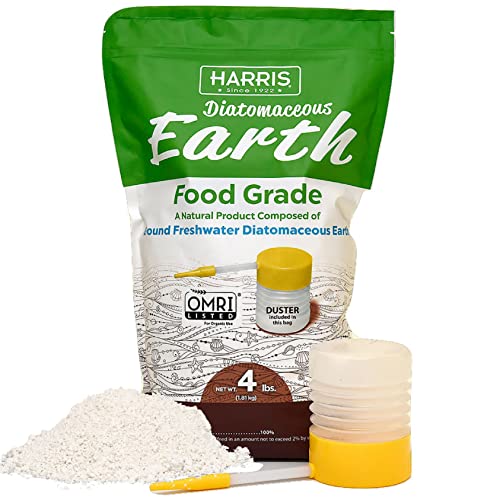
Natural Product - Composed of 4lbs of 100% ground freshwater diatomaceous earth with absolutely no additives or fillers.

100% Chemical-Free: Made from 8oz of food-grade freshwater diatomaceous earth with no additives or fillers. Safe for use around children, pets and farm animals when used as directed.

FOR ORGANIC GARDENING: Diatomaceous earth-based formula is good for organic gardening
Essential Oils and Their Effectiveness
Essential oils like peppermint, tea tree, and lemon provide powerful scents that repel ants. To use them:
- Mix 10-15 drops of your chosen essential oil with 1 cup of water in a spray bottle.
- Shake the bottle vigorously to combine the ingredients.
- Spray the solution directly on tree trunks, surrounding soil, and visible ant trails.
Repeat this process every few days or after rainfall for optimal results. The strong aroma disrupts ant pheromone trails, reducing their presence.
Diatomaceous Earth as a Barrier
Diatomaceous earth (DE) acts as a physical barrier against ants. It’s safe for your plants and pets when used correctly. Here’s how to apply it:
- Locate the areas where you see ant activity around your trees.
- Sprinkle a thin layer of food-grade diatomaceous earth around the base of the trees and in ant-prone areas.
- Reapply after rain or heavy watering.
Diatomaceous earth’s sharp particles damage the exoskeleton of ants that cross it, causing them to dehydrate. This method creates a long-lasting defense without harming the environment.
By utilizing these natural deterrents, you can effectively manage ant populations while protecting your fruit trees and ensuring a healthy harvest.
Preventive Measures
Preventing ants from invading your fruit trees involves consistent care and proactive strategies. These measures help keep your trees healthy and ensure a fruitful harvest.
Recommended Products

PROTECT 60 TREES FROM LANTERNFLIES AND OTHER PESTS. This bug tape doesn't only work as a spotted lanternfly trap, it will catch any insect that crawls up or down trees, like ants, caterpillars, maggots and beetles.

INCLUDES 4 ROLLS - Each roll contains 30 Feet of extra strength Tree Tape stopping Lantern flies at all stages. The 30-foot rolls can be easily cut to fit different tree sizes throughout your property. The W4W Tree Traps are water resistant and can weather most storms without a loss of glue or efficiency. It is also disposable with easy to tear paper.

Complete Tree Care Kit: Includes 15oz Tree Tanglefoot, 3"x50' Tree Wrap, and applicator tool for easy application
Regular Tree Maintenance
Regular maintenance of your fruit trees plays a crucial role in keeping ants at bay. Prune trees to enhance air circulation and sunlight exposure, which reduces pests’ attraction. Inspect for signs of aphids or other insects; addressing these issues promptly diminishes the food source for ants. Mulch your trees to preserve moisture and deter ants. Use barrier techniques, such as wrapping tree trunks with sticky tape or copper barriers, to provide additional protection.
Cleaning Up Fallen Fruit
Cleaning up fallen fruit from around your trees is essential to reduce ant attraction. Collect and dispose of any overripe or damaged fruit promptly. Regularly clear away debris, like leaves and branches, that can harbor ants or their nests. Establish a routine for inspecting your trees and the surrounding area to ensure a clean environment. This not only keeps ants away but also promotes overall tree health, encouraging better fruit development.
Companion Planting Techniques
Companion planting serves as an effective and natural way to keep ants off your fruit trees. By strategically placing certain plants near your trees, you can create an environment that repels ants and attracts beneficial insects.
Plants That Repel Ants
Incorporate a variety of plants known for their ant-repelling properties. Here are a few examples:
- Mint: Planting mint around your fruit trees deters ants due to its strong aroma. Use mint strategically by growing it in pots to prevent it from overtaking the garden.
- Lavender: Known for its lovely scent, lavender also keeps ants away. The fragrance disrupts their foraging patterns.
- Rosemary: This herb not only enhances your dishes but also provides a natural barrier against ants. Its woody structure hinders their movement.
- Marigolds: These bright flowers repel various pests, including ants. They attract beneficial insects that help manage aphid populations.
Creating a Balanced Ecosystem
Building a balanced ecosystem promotes natural pest control, including ant management. Follow these tips to enhance your garden:
- Encourage Beneficial Insects: Attract ladybugs and lacewings by planting flowers like dill and yarrow. These insects feed on aphids, limiting food sources for ants.
- Implement Diversity: Plant a diverse range of flowers, herbs, and vegetables around your fruit trees. This diversity creates habitats for beneficial insects while confusing ants.
- Competitor Plants: Use plants such as cucumbers or squash that compete for space and resources, reducing ants’ preference for overrunning your fruit trees.
By combining these practices, you’ll create a thriving garden that keeps ants at bay while supporting the health of your fruit trees.
Conclusion
Keeping ants off your fruit trees doesn’t have to be a daunting task. By using natural deterrents and preventive measures you can create a thriving garden that’s both healthy and productive. Essential oils diatomaceous earth and companion plants can work wonders in keeping those pesky ants at bay.
Regular maintenance and vigilance are key. By inspecting your trees and cleaning up fallen fruit you not only deter ants but also promote better fruit development. Embrace these natural solutions and watch your fruit trees flourish free from unwanted visitors. Happy gardening!
Frequently Asked Questions
What attracts ants to fruit trees?
Ants are drawn to fruit trees primarily due to the presence of aphids, which secrete a sugary substance called honeydew. Overripe or fallen fruit and decaying plant matter can also attract ants, as they provide a rich food source.
How can I identify an ant infestation on my fruit trees?
Look for visible ant trails, the presence of aphids on leaves or stems, signs of tree damage, and potential nesting sites near the base of the tree. These indicators suggest that ants are active in the area.
What natural deterrents can I use to repel ants?
You can use essential oils like peppermint, tea tree, and lemon mixed with water to spray on tree trunks and surrounding areas. Diatomaceous earth is also effective; it damages ants’ exoskeletons and causes dehydration.
How can I prevent ants from invading my garden?
Maintain regular inspection and pruning of your fruit trees to improve air circulation and reduce pest attraction. Clean up fallen fruit and debris, and consider using barrier techniques like sticky tape or copper wraps for added protection.
Are there plants that can help deter ants?
Yes, companion planting techniques can help. Plants like mint, lavender, rosemary, and marigolds are effective in repelling ants. These can create a garden environment that deters ants while attracting beneficial insects.
Why is it important to manage ants in my garden?
Managing ant populations is crucial because while ants can benefit the ecosystem by aerating soil and controlling some pests, they can also protect aphids, which harm fruit trees. Effective management ensures a healthy harvest.
