

Growing banana trees in Indianapolis, IN is possible with the right techniques and care. These tropical plants can thrive in the Midwest by selecting cold-hardy varieties and providing adequate winter protection.
Cold-Hardy Banana Varieties for Indiana
Choosing the right banana variety is crucial for success in colder climates. Cold-hardy types such as the Musa basjoo and Musa sikkimensis can withstand temperatures down to 0°F. These varieties not only survive but also produce edible fruit in favorable conditions.
Recommended Products
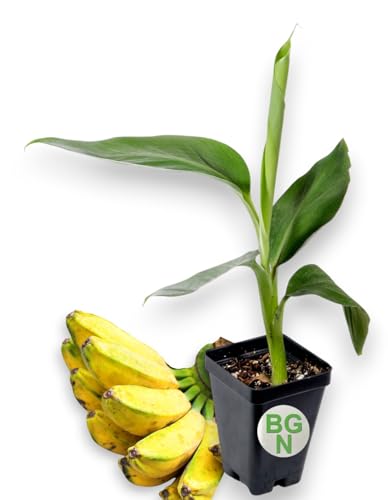
Size and Growth: The California Gold Banana plant is compact yet striking, reaching a mature height of about 5 to 7 feet. This manageable size makes it perfect for smaller spaces, urban gardens, or even as a potted plant on patios and balconies. Despite its smaller stature compared to other banana varieties, it delivers lush, wide leaves that lend a distinctly tropical feel to any setting.

Beautiful and exotic banana: Ethiopian banana, Abyssinian banana, pseudo-banana, fake banana and wild banana, is a herbaceous flowering plant species of the Musaceae banana family

Live Plants for Planting 🌱 – Includes 4 rooted Musa basjoo banana plants, ready to plant in your garden or large pots.
Traits of Hardy Banana Varieties
Banana trees may seem out of place in Indianapolis, but certain hardy varieties thrive in the Midwest’s climate. Understanding the specific traits of these resilient plants can help gardeners successfully cultivate them, even in challenging conditions. This section explores the characteristics that make these banana varieties suitable for the region.
Hardy banana varieties possess unique traits that make them suitable for the Midwest. Consider the following characteristics:
Cold Tolerance: Can survive freezing temperatures.
Growth Rate: Fast-growing in warm months.
Fruit Production: Capable of producing edible bananas.
| Variety Name | Cold Tolerance | Edible Fruit | Growth Rate |
|---|---|---|---|
| Musa basjoo | Down to 0°F | Yes | Fast |
| Musa sikkimensis | Down to 10°F | Yes | Moderate |
Site Preparation for Banana Trees
Preparing the site for banana trees in Indianapolis requires careful planning to ensure optimal growth in the challenging Midwestern climate. Proper soil conditions, sunlight exposure, and protection from harsh weather are essential factors to consider. This section outlines the key steps to create an ideal environment for these tropical plants to thrive in a less-than-tropical setting.
Proper site preparation is essential for healthy growth. Choose a location that receives full sun and has well-draining soil. Amend the soil with organic matter to improve fertility and drainage.
Recommended Products

100% Natural: Custom blend for your indoor potted banana trees

【Natural & Organic】Our specially designed soil blend contains the precise balance of essential minerals and organic matter to support healthy root development and fruit production in banana plants
【Natural & Organic】Our specially designed soil blend contains the precise balance of essential minerals and organic matter to support healthy root development and fruit production in banana plants
Site Requirements for Banana Trees
Growing banana trees in Indianapolis can be a rewarding endeavor, but understanding their specific site requirements is crucial for success. These tropical plants need particular conditions to thrive in a Midwestern climate, including sunlight, soil type, and protection from harsh weather. Properly addressing these factors will help ensure healthy growth and fruit production.
Select a Sunny Spot: Ensure at least 6-8 hours of sunlight.
Test Soil pH: Aim for a pH between 5.5 and 7.0.
Amend Soil: Mix in compost or well-rotted manure.
Successful Banana Tree Planting Methods
Planting banana trees in Indianapolis can be a rewarding endeavor, despite the region’s challenging climate. Understanding the best methods for successful cultivation is essential for maximizing growth and fruit production. This section explores effective techniques tailored for Midwestern gardeners looking to thrive with banana trees.
Planting banana trees correctly sets the foundation for growth. Follow these steps to ensure optimal conditions.
Planting Techniques for Banana Trees
Successfully planting banana trees in Indianapolis requires specific techniques tailored to the region’s climate and soil conditions. Understanding how to prepare the site, select the right varieties, and provide adequate care will enhance your chances of thriving banana plants in this Midwestern environment. This section outlines effective strategies to ensure your banana trees flourish despite the local challenges.
Dig a Hole: Make a hole twice as wide as the root ball.
Place the Plant: Position the plant at the same depth it was in the container.
Backfill with Soil: Fill the hole with a mix of native soil and compost.
Water Thoroughly: Ensure the soil is moist but not soggy.
Winter Care Techniques for Banana Trees
Successfully growing banana trees in Indianapolis requires careful attention to their winter care. As temperatures drop, these tropical plants need specific techniques to survive the harsh Midwestern climate. Understanding how to protect them during the colder months is essential for maintaining their health and ensuring they thrive when warmer weather returns.
Winter in Indianapolis can be harsh, so protecting your banana trees is vital. Implementing effective winter care can help your plants survive the cold months.
Recommended Products

Revolutionary Anti-freeze Protection: Plant covers freeze protection is made of 100% Reliable non-woven thickened polypropylene fabric Because the frost cloth fabric Thickness is 3.2 oz/yd² thicker and warmer, tear resistant than less expensive 1.3 oz/yd² fabric. Provides up to 2° F(-17℃) frost protection. In winter, frost blankets for outdoor plants can form a insulation layer for plants to isolate cold air and retain the oxygen required for plant respiration

The Large plant cover is perfect for Plant size 55''-70"high and 84''-94" round, Heavy-weight FRCs (1.77oz./sq. yard): usually used to extend the growing season in spring and fall, allow 40%-60% light transmittance, and recommend 3°-8°F of freeze protection

PACKAGE: The package includes 4Pcs plant covers,will meet your daily use or replacement. Measuring 31.5" x 47.3", the plant protector is waterproof, windproof.
Mulching Techniques for Winter Protection
As winter approaches in Indianapolis, protecting banana trees becomes essential for their survival. Effective mulching techniques can provide the necessary insulation and moisture retention to help these tropical plants thrive despite the harsh Midwestern climate. This section explores various mulching methods that can safeguard your banana trees during the cold months.
Mulching: Apply a thick layer of mulch around the base to insulate roots.
Wrapping: Use burlap or frost cloth to wrap the trunk.
Container Planting: Consider growing in pots for easier relocation indoors.
| Winter Protection Method | Effectiveness | Ease of Implementation |
|---|---|---|
| Mulching | High | Easy |
| Wrapping | Moderate | Moderate |
| Container Planting | High | Moderate |
Watering and Nutrient Strategies for Bananas
Successfully growing banana trees in Indianapolis requires careful attention to watering and nutrient strategies. Given the region’s climate, understanding the specific needs of these tropical plants is essential for promoting healthy growth and fruit production. This section delves into effective methods to ensure your banana trees thrive in Midwestern conditions.
Banana trees require consistent moisture and nutrients for optimal growth. Understanding their needs will enhance fruit production.
Banana Tree Care for Indianapolis Soil
Caring for banana trees in Indianapolis requires an understanding of the local soil conditions and climate. The unique challenges of the Midwestern environment can be mitigated with proper techniques and practices tailored to the region. This section will explore effective strategies for nurturing banana trees in the specific soil types found in Indianapolis.
Watering: Keep the soil consistently moist, especially during dry spells.
Fertilizing: Use a balanced fertilizer every 4-6 weeks during the growing season.
Banana Tree Pest and Disease Control
Maintaining the health of banana trees in Indianapolis requires vigilance against pests and diseases that can threaten their growth. Understanding the common challenges faced by these tropical plants in a Midwestern climate is essential for successful cultivation. This section explores effective strategies for pest and disease control to ensure your banana trees thrive in Indiana’s unique environment.
Pests and diseases can threaten your banana trees. Regular monitoring and prompt action are essential for maintaining plant health.
Pest Management Strategies for Banana Trees
Managing pests effectively is crucial for the health of banana trees in Indianapolis, where the climate presents unique challenges. Understanding the specific pests that target these trees and implementing tailored strategies can significantly enhance their growth and yield. This section explores practical pest management techniques suited for the Midwestern environment.
Aphids: Use insecticidal soap to control infestations.
Fungal Diseases: Apply fungicides at the first sign of disease.
| Pest/Disease | Symptoms | Treatment |
|---|---|---|
| Aphids | Curling leaves | Insecticidal soap |
| Fungal Issues | Yellowing leaves | Fungicide application |
Banana Harvest Timing and Techniques
Understanding the timing and techniques for harvesting bananas is crucial for successful cultivation in Indianapolis. Given the unique climate challenges of the Midwest, knowing when to pick and how to handle the fruit can significantly impact yield and quality. This section will explore the best practices for harvesting bananas in this region.
Harvesting bananas at the right time ensures the best flavor and texture. Knowing when and how to harvest is key.
Harvesting Techniques for Indianapolis Bananas
Harvesting bananas in Indianapolis requires careful timing and technique to ensure the fruit reaches its peak flavor and quality. Given the unique climate challenges of the Midwest, understanding the best practices for harvesting can significantly impact the success of banana cultivation in this region. This section explores effective methods tailored to local conditions.
Monitor Color: Wait until the bananas turn yellow.
Cut the Bunch: Use a sharp knife to cut the entire bunch.
Ripen Indoors: Allow bananas to ripen at room temperature.
Implementing these strategies will help you successfully grow banana trees in Indianapolis. With careful selection, preparation, and maintenance, you can enjoy tropical fruit in a Midwestern climate.
