

Have you ever looked at your small fruit trees and wondered why they aren’t producing as much fruit as you hoped? You’re not alone. Many gardeners struggle with this common issue, often overlooking the importance of proper pruning.
Pruning isn’t just about keeping your trees looking neat; it’s essential for their health and productivity. By learning the right techniques, you can encourage better growth, improve air circulation, and boost fruit production. This article will guide you through the simple steps to effectively prune your small fruit trees, ensuring they thrive and reward you with a bountiful harvest.
Key Takeaways
- Importance of Pruning: Regular pruning is crucial for the health, productivity, and aesthetics of small fruit trees, enhancing fruit yield and promoting stronger growth.
- Timing Matters: Prune small fruit trees in late winter or early spring for optimal results, avoiding pruning in the fall to ensure the tree’s survival through winter.
- Pruning Techniques: Utilize basic cuts such as heading, thinning, and reduction cuts, along with advanced methods like espalier and crown thinning, to achieve specific growth goals.
- Proper Tools and Safety: Use sharp, clean tools like pruning shears and loppers for effective pruning, and prioritize safety measures, including gloves and protective eyewear, to prevent injuries.
- Common Mistakes to Avoid: Steer clear of overpruning, pruning at the wrong time, and using dull tools to ensure the health and productivity of your trees.
- Regular Assessment: Continuously monitor your small fruit trees for signs of overcrowding or weak growth to address issues promptly and effectively.
Understanding Small Fruit Trees
Small fruit trees offer gardeners a delightful way to enjoy fresh fruit in limited spaces. Knowing the types of small fruit trees available and the benefits of pruning them helps maximize their growth and productivity.
Common Types of Small Fruit Trees
- Dwarf Apple Trees: Dwarf varieties grow 6 to 10 feet tall. They produce crisp, juicy apples, ideal for smaller gardens.
- Fig Trees: These trees reach heights between 3 and 10 feet. Figs thrive in warm climates and require well-draining soil.
- Peach Trees: Compact peach trees grow around 4 to 6 feet high. They offer sweet, ripe peaches with a quick harvest time.
- Cherry Trees: Small cherry trees can reach 4 to 10 feet. They produce beautiful blossoms in spring and delicious cherries in summer.
- Citrus Trees: Varieties like lemon and lime trees grow well in pots or small spaces, often reaching heights of 3 to 5 feet.
- Enhanced Health: Regular pruning removes dead or diseased branches. This promotes better air circulation and reduces the risk of pests.
- Increased Yield: By shaping the tree and allowing sunlight to penetrate, pruning encourages fruit production, leading to a more abundant harvest.
- Manageable Size: Pruning keeps trees at a manageable height for easier harvesting and care. You can maintain size while still enjoying full yields.
- Improved Aesthetics: A well-pruned tree looks more attractive in your garden. Neat shapes enhance the overall garden appearance.
- Stronger Structure: Pruning young trees encourages a stronger central leader. This leads to sturdier trees that can support fruit production effectively.
When to Prune Small Fruit Trees
Pruning small fruit trees at the right time maximizes growth and fruit production. Timing varies by tree type and local climate, but understanding seasonal patterns and observing tree health ensures effective pruning.
Seasonal Timing
Pruning in late winter or early spring before new growth begins is ideal for most small fruit trees. For instance, prune peach and fig trees in February or March, while apple and cherry trees benefit from pruning in late winter to early spring. Avoid pruning in the fall, as this can stimulate new growth that won’t survive the winter.
Signs That Pruning Is Needed
Look for several indicators to determine when pruning is necessary:
- Dead or Damaged Branches: These branches need immediate removal to prevent disease spread.
- Overcrowding: Trees with crossing branches limit airflow and sunlight, necessitating pruning to improve health and yield.
- Weak Growth: If branches exhibit poor vigor or are spindly, pruning can promote healthier shoot development.
Regularly assess your small fruit trees throughout the growing season to identify these signs and respond promptly.
Techniques for Pruning Small Fruit Trees
Pruning small fruit trees involves straightforward methods that can lead to better health and increased fruit production. Understanding the basic cuts and more advanced techniques helps you optimize your pruning approach.
Recommended Products
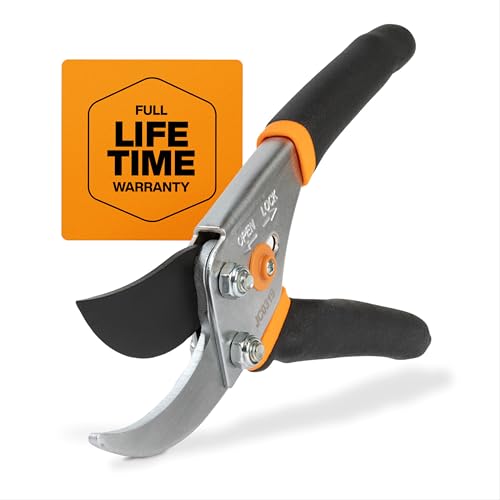
CLEAN CUTS FOR LIVE GROWTH: Bypass blade design is ideal for pruning delicate flower stems and green growth, helping reduce crushing and plant damage while cutting stems and small branches up to 5/8” in diameter

LONG-LASTING SHARPNESS: Japanese SK5 bypass blade with titanium coating is tested through 5,000 cuts to maintain a sharp edge and deliver clean, consistent cuts on live stems and branches

DUAL CUTTING POWER: VERSATILE PRUNING COMBO --- With both Pruning Shears and Pruning Snip, this combo delivers unmatched versatility. Whether you're delicately trimming flowers and shrubs, tackling thicker tree branches, or tending to your vegetable and fruit garden, our combo pack excels in all areas. They're also perfect for landscaping projects and maintaining the health and appearance of indoor plants. With this pack, you have a versatile tool that simplifies your gardening tasks.
Basic Pruning Cuts
Choose from several basic cuts to promote growth and structure.
- Heading Cuts: Use this cut to shorten branches and encourage bushier growth. Make cuts just above a strong bud.
- Thinning Cuts: Remove entire branches at their point of origin. This enhances airflow and light penetration throughout the tree.
- Reduction Cuts: Shorten a branch to a lateral branch, redirecting growth and maintaining tree shape.
Make these cuts during early spring. Regularly assess your tree for signs of overcrowding or weak growth.
Advanced Pruning Methods
Consider these advanced techniques for specific goals and tree types.
- Espalier Pruning: Train your tree to grow flat against a structure. Secure branches to a trellis for maximum sunlight exposure.
- Pollarding: Limit growth by cutting back to a framework of main branches. This encourages dense leaf growth, ideal for smaller spaces.
- Crown Thinning: Focus on maintaining a balanced canopy by selectively removing a percentage of branches. This reduces wind resistance and improves fruiting.
Ensure you use sharp, clean pruning shears to prevent damage to the tree. Regularly maintain your tools for the best results.
Tools Needed for Pruning
Use the right tools for effective pruning. Proper tools enhance efficiency and ensure a clean cut, promoting healthier tree growth.
Recommended Products

IDEAL BRANCH TRIMMER: 28" Steel blade garden bypass lopper that glides through up to 1.5" thick branches for easy cuts; Works well for trimming tree branches to maintain your yard and garden, and to encourage overall plant health and appearance
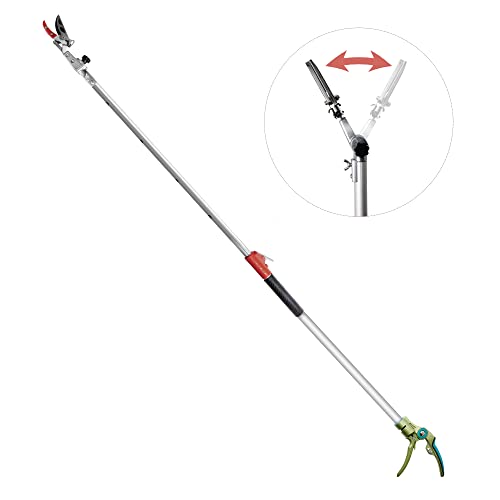
[Helpful Garden Tool] GARTOL brings to you a lightweight and extendable pruning tool to reach out to the least approachable arenas of your garden. You can conveniently get across other plants to remove the fastgrowing brambles and sting nettles without getting scratched or hurt. For gardening lovers, the telescopic pruner cutter head can can be rotated which resolves mobility issues and gives you the pleasure of trimming your garden without bending down or using a ladder to climb and cut them.

[Cut & Hold Pole Pruner for Tree Trimming] This long reach cut and hold pruner makes it easy to grip and remove branches, flowers, or fruit without dropping them. Perfect as a pole fruit picker for harvesting lemons, oranges, apples, or persimmons, and for trimming shrubs and bushes without climbing a ladder.
Essential Pruning Tools
- Pruning Shears: Use these for young trees and small branches. Look for bypass shears for precise cuts that minimize damage.
- Loppers: Loppers work well for thicker branches, typically up to two inches in diameter. Choose a long-handled model for leverage.
- Hand Saw: For larger branches, a hand saw provides the necessary power. A folding saw is easy to carry and store.
- Pole Pruner: Use a pole pruner for hard-to-reach areas. It extends your reach, making it easier to access high branches.
- Garden Gloves: Protect your hands from cuts and scrapes. Choose gloves with a snug fit for better control.
- Pruning Tarp: Spread a tarp beneath the tree to catch debris. This makes clean-up quicker and easier.
- Safety Glasses: Protect your eyes from falling debris. Using safety glasses keeps your vision clear during pruning.
- Hard Hat: If working on tall trees, consider a hard hat. It provides protection against any falling branches.
- Sturdy Shoes: Wear non-slip shoes for traction. Proper footwear supports safety while you move around the tree.
- Long Sleeves and Pants: Dress in long clothing to guard against scratches. Heavy fabric protects your skin from sharp branches.
- First Aid Kit: Keep a first aid kit nearby. It addresses minor cuts or scrapes that might occur during pruning.
Make sure you have these tools and safety measures in place before you start pruning small fruit trees. This preparation ensures a smooth and effective pruning experience.
Common Mistakes to Avoid
Pruning small fruit trees requires attention to detail. Avoiding common pitfalls can lead to healthier trees and better fruit production.
Overpruning
Overpruning results in stress for the tree and reduced fruit yield. Aim to remove no more than 25% of the tree’s branches in a single season. Focus on removing dead, damaged, or overcrowded branches instead.
Pruning at the Wrong Time
Pruning at the wrong time disrupts the tree’s growth cycle. Prune in late winter or early spring before new growth emerges. For example, prune fig trees during February or March, while apple trees benefit from pruning in late winter or early spring.
Ignoring Tree Type Differences
Each fruit tree species has different pruning needs. Dwarf apple trees require different cuts than peach trees. Familiarize yourself with the specific requirements of the trees in your garden to ensure proper care.
Using Dull or Dirty Tools
Using old tools leads to jagged cuts and increases the risk of disease. Always use sharp, clean pruning shears. Maintain your tools regularly for optimal performance.
Improper Cutting Techniques
Improper cutting techniques can damage your trees. Make clean cuts at an angle to promote healing. For thinning cuts, focus on removing entire branches rather than cutting them partway, which can lead to chop marks.
Neglecting Tree Assessment
Failing to regularly assess your trees prevents you from catching issues early. Check for signs like overcrowding and weak growth throughout the growing season.
Disregarding Safety Precautions
Neglecting safety precautions can lead to injuries. Always wear safety glasses and gloves while pruning. Use ladders carefully and ensure they are stable before climbing.
Skipping Cleanup
Skipping cleanup after pruning can affect the tree’s health. Collect and dispose of pruned branches to prevent disease spread and pest attraction.
By being aware of these common mistakes, you can enhance your pruning skills and promote the health of your small fruit trees.
Conclusion
Pruning your small fruit trees can be a rewarding experience that leads to healthier trees and a bountiful harvest. By following the techniques and tips shared in this post you’ll not only improve the aesthetics of your garden but also boost fruit production.
Remember to keep an eye on your trees throughout the growing season and assess their needs. With the right tools and a little patience you can enjoy the fruits of your labor. Happy pruning and may your garden thrive!
Frequently Asked Questions
Why is pruning important for small fruit trees?
Pruning is essential for small fruit trees as it improves their health, increases fruit yield, and enhances aesthetics. By removing dead or overcrowded branches, pruning allows better sunlight exposure and air circulation, promoting stronger tree structure and more productive growth.
When is the best time to prune small fruit trees?
The best time to prune small fruit trees is in late winter or early spring, before new growth begins. Specific timings may vary; for example, prune peach and fig trees in February or March and apple and cherry trees in late winter to early spring.
What types of small fruit trees are suitable for limited spaces?
Some excellent small fruit trees for limited spaces include dwarf apple, fig, peach, cherry, and citrus trees. These varieties are compact, making them perfect for small gardens while still providing delicious fruit.
What tools do I need for effective pruning?
Essential tools for effective pruning include pruning shears, loppers, hand saws, pole pruners, garden gloves, and safety gear like safety glasses and hard hats. Using the right tools helps ensure clean cuts and promotes healthier tree growth.
What common mistakes should I avoid when pruning small fruit trees?
Common pruning mistakes include overpruning, pruning at the wrong time, using dull tools, improper cutting techniques, neglecting tree assessments, disregarding safety precautions, and neglecting cleanup after pruning. Avoiding these pitfalls will enhance your pruning results.
How can I tell if my small fruit trees need pruning?
Signs that small fruit trees need pruning include dead or damaged branches, overcrowding that limits airflow and sunlight, and weak growth. Regular assessments throughout the growing season will help identify these issues for timely intervention.
What are the basic pruning techniques for small fruit trees?
Basic pruning techniques include heading cuts to encourage bushiness, thinning cuts to remove excess branches, and reduction cuts to shorten longer branches. Each technique serves distinct purposes and contributes to the overall health of the tree.
What is advanced pruning, and when should I use it?
Advanced pruning methods, like espalier pruning, pollarding, and crown thinning, serve specific goals based on tree type. Use these techniques when aiming to train trees into certain shapes, control size, or improve light penetration, ensuring they suit the tree’s growth habits.
