

Have you ever watched in frustration as squirrels raided your fruit tree, leaving you with nothing but bare branches? You’re not alone. Many gardeners face the challenge of keeping these clever critters away from their hard-earned harvests.
Key Takeaways
- Understanding Squirrel Behavior: Squirrels are attracted to fruit trees due to their nutritional needs, especially during late summer and fall when food sources are scarce.
- Effective Prevention Methods: Utilize physical barriers like fences, tree guards, and netting to deter squirrels. Combining these with scents, sound devices, and active repellents enhances protection.
- Plant Selection: Grow non-attractive plants such as herbs and companion flowers near fruit trees to make your garden less appealing to squirrels.
- Garden Maintenance Tips: Prune trees to limit access and regularly monitor fruit ripeness to harvest promptly, minimizing opportunities for squirrels to invade.
- Community and Wildlife Regulations: Be aware of local regulations regarding wildlife control and engage with community resources for effective management strategies.
- Encouraging Natural Predators: Attract natural predators like hawks and owls to help regulate squirrel populations and maintain a balanced ecosystem around your garden.
Understanding Squirrel Behavior
Understanding how squirrels operate helps in protecting your fruit trees effectively. Squirrels exhibit specific behaviors that make them particularly attracted to these trees.
Recommended Products

Effective Fruit Tree Netting: Premium Garden netting creates a barrier to protect your fruit trees, blueberries, apples, tomatoes, and berries, ensure the health and...
Why Squirrels Target Fruit Trees
Squirrels target fruit trees due to their nutritional needs. They seek out ripe fruits for the sugars and vitamins they provide. The smell of ripe fruit attracts them, especially during the late summer and early fall when food sources become scarce. Squirrels also enjoy the challenge of climbing and gnawing, making fruit trees perfect playgrounds for them. Gardeners often notice that one squirrel’s activity can encourage others to join in, leading to significant damage.
Seasonal Patterns of Squirrel Activity
Squirrel activity varies with the seasons. In spring and summer, squirrels are busy foraging for food to build up fat reserves for winter. They’ll raid fruit trees as the fruits ripen. In fall, they enter a frenzied state, preparing for colder months by storing food. This time of year sees heightened activity around fruit trees, as they gather food sources for later. In winter, while food becomes limited, squirrels rely on stored supplies but may still venture out if food reserves run low, occasionally targeting leftover fruits still on trees.
Effective Prevention Methods
Implementing effective prevention methods helps protect your fruit trees from squirrels. These strategies focus on physical barriers, repellents, and selecting the right plants.
Recommended Products
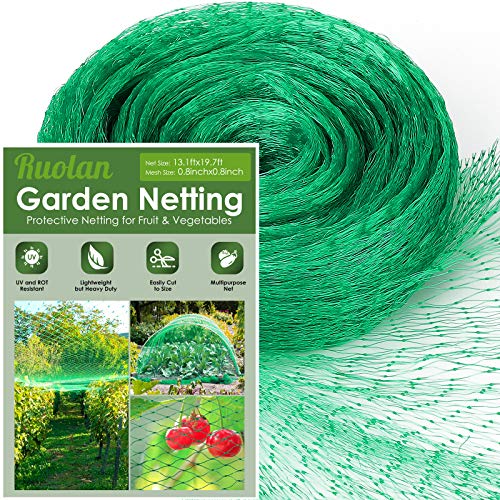
【Perfect size】(Garden Netting size 13ftX20ft, Mesh Size 0.8inchX0.8inch), Protect fruit tree plant blueberry strawberry from animals 【Reusable】It won’t tear easily,...
Physical Barriers
Using physical barriers forms the first line of defense against squirrels.
- Fencing: Install a fence around your fruit trees. Choose materials like wire mesh or hardware cloth, with a height of at least 4 feet to deter climbing.
- Tree Guards: Wrap tree trunks with metal or plastic tree guards to create a smooth surface that squirrels can’t climb.
- Netting: Cover fruit trees with bird netting. Secure the netting at the base to prevent squirrels from slipping underneath it.
Repellents and Deterrents
Repellents and deterrents can discourage squirrels from approaching your trees.
- Scents: Use scents that squirrels dislike, such as peppermint oil or vinegar. Apply these substances on cotton balls and place them strategically around your trees.
- Sound Devices: Employ motion-activated sound devices to scare away squirrels. Sounds of predators can be particularly effective.
- Active Repellents: Invest in commercial repellents designed specifically for squirrels. Follow instructions closely for the best results.
Plant Selection
Choosing specific plants can reduce the appeal of your garden to squirrels.
- Non-Attractive Plants: Consider planting herbs like rosemary, mint, or sage near your fruit trees. These plants deter squirrels due to their strong scents.
- Companion Planting: Mix flowers such as marigolds or nasturtiums with your fruit trees. Their bright colors and smells may mask the scent of ripening fruits.
- Diversity: Integrate various plants in your garden to create a complex environment. Squirrels are less likely to focus solely on your fruit trees when other options exist.
By employing a combination of these methods, you can better protect your fruit trees from squirrel damage.
Garden Maintenance Tips
Maintaining your garden effectively helps protect fruit trees from squirrel damage. Here are a couple of methods to consider.
Pruning Techniques
Pruning fruit trees serves multiple purposes, including limiting squirrel access. Focus on the following techniques:
- Remove Lower Branches: Cut back lower branches that are within easy reach of squirrels. This creates a barrier that makes it harder for them to climb.
- Thin Out Crowded Areas: Trim excess growth to allow better airflow and sunlight. Squirrels prefer dense foliage where they can hide.
- Regular Maintenance: Schedule routine pruning in late winter or early spring. Keeping trees well-maintained reduces hiding spots for squirrels.
Harvesting Strategies
Harvesting your fruit at the right time reduces the chance of squirrels raiding your trees. Implement these strategies:
- Monitor Ripeness: Regularly check your fruit trees for ripe fruits. Harvest them as soon as they’re ready to minimize the window of opportunity for squirrels.
- Use Early Varieties: Choose early-maturing fruit varieties. These can yield crops before squirrels become more active in late summer and fall.
- Protect Harvested Fruit: Store harvested fruits indoors promptly. Leaving them outside attracts squirrels and encourages them to return to your garden.
By applying these garden maintenance tips, you can create a less inviting environment for squirrels and protect your precious fruit trees.
Additional Considerations
Consider additional factors that can impact your efforts in preventing squirrels from raiding your fruit trees. Implementing these suggestions can enhance your protection strategies.
Community and Wildlife Regulations
Check local community guidelines regarding wildlife control. Many places have regulations on trapping or relocating squirrels. You might need permits for certain deterrent methods. Always adhere to humane practices when dealing with wildlife. Engaging with local wildlife organizations can provide insights into squirrel behavior and effective strategies. These organizations often offer resources or workshops that educate on managing squirrels while maintaining ecological balance.
The Role of Natural Predators
Encourage natural predators in your area to help control squirrel populations. Birds of prey, such as hawks and owls, naturally regulate small mammal numbers. You can attract these predators by installing nesting boxes or perches near your garden. Additionally, providing habitats for ground predators like foxes and snakes can keep squirrels at bay. Maintaining a diverse ecosystem supports the presence of these natural guardians, ultimately benefiting your fruit trees.
Conclusion
Protecting your fruit trees from squirrels doesn’t have to be a daunting task. By understanding their behavior and employing a mix of strategies you can create a less appealing environment for these little critters. Whether it’s using physical barriers or natural deterrents your efforts will pay off when you enjoy a bountiful harvest.
Regular maintenance and smart harvesting techniques will also go a long way in keeping squirrels at bay. Remember to stay patient and persistent as you implement these methods. With a bit of creativity and care you can safeguard your fruit trees and relish the fruits of your labor. Happy gardening!
Frequently Asked Questions
Why do squirrels target fruit trees?
Squirrels are drawn to fruit trees for their ripe fruit, which provides essential nutrition, especially during late summer and early fall when other food sources are limited. Their ability to climb and their gnawing behavior make these trees easy targets.
When are squirrels most active around fruit trees?
Squirrels are particularly active in spring and summer as they forage to build fat reserves. In the fall, they ramp up their activity to gather food for winter. Even during winter, they may seek leftover fruits if their stored supplies are low.
What are some effective ways to deter squirrels from fruit trees?
Effective methods include installing physical barriers like fencing, tree guards, and netting. Additionally, using repellents, sound devices, and selecting non-attractive plants can help keep squirrels away from your garden.
How can garden maintenance help prevent squirrel damage?
Regular garden maintenance, including pruning to remove lower branches and thinning crowded areas, can limit squirrel access and hideouts. Keeping trees healthy and well-maintained reduces the likelihood of squirrel infestations.
What harvesting strategies can protect fruit from squirrels?
To protect your harvest, monitor fruit ripeness closely, choose early-maturing varieties, and promptly store harvested fruits indoors. Quick action can deter squirrels from raiding your garden.
Are there humane ways to control squirrels in my garden?
Yes, it’s essential to adhere to humane practices. Checking local wildlife control guidelines and engaging with wildlife organizations can offer alternative strategies for managing squirrels without harm.
How can I attract natural predators to manage squirrel populations?
Planting diverse landscapes and providing habitats can attract natural predators like birds of prey and ground predators. A balanced ecosystem helps control unwanted squirrel populations while maintaining your garden’s health.
