

Have you ever dreamed of picking fresh, sweet persimmons right from your own backyard? Growing a persimmon fruit tree can be a rewarding experience, but knowing where to start can feel overwhelming. Whether you’re a seasoned gardener or just starting out, understanding the basics can make all the difference.
Key Takeaways
- Types of Persimmon Trees: Choose between Asian persimmons, known for sweet, non-astringent fruits, and American persimmons, which thrive in various climates and produce astringent fruits that sweeten after frost.
- Benefits of Growing: Persimmons offer nutritional value (rich in vitamins and fiber), pest resistance, drought tolerance, aesthetic appeal, and versatility in culinary use.
- Planting Essentials: Select a sunny spot with well-draining, nutrient-rich soil. Ensure the pH is between 6.0 and 7.5 for optimal growth.
- Care Practices: Regularly water (1-2 inches weekly), fertilize biannually, and prune during dormancy to shape the tree and promote healthy growth.
- Harvesting Tips: Harvest when persimmons change color and soften, twisting gently to detach them, and handle with care to avoid bruising.
- Pest Management: Monitor for common pests, maintain tree health, use organic insecticides, and promote beneficial insects to safeguard against infestations.
Understanding Persimmon Trees
Understanding persimmon trees is vital for growing them successfully in your yard. Familiarizing yourself with their types and benefits simplifies the cultivation process.
Types of Persimmon Trees
Persimmon trees primarily fall into two categories:
- Asian Persimmon (Diospyros kaki):
- Known for its sweet, non-astringent fruits.
- Fruit can be eaten while firm or soft, often resembling a tomato.
- Requires warmer climates, prefers zones 7 to 10.
- American Persimmon (Diospyros virginiana):
- Produces smaller, astringent fruits that become sweet after frost.
- Adaptable to a wide range of climates, thrives in zones 4 to 9.
- Often used for making puddings and jams due to its unique flavor.
Each type offers distinct flavors and growth requirements, so choose one that suits your climate and taste preferences.
Benefits of Growing Persimmon
Growing persimmon trees provides numerous advantages:
- Nutritional Value:
Fruits are rich in vitamins A and C, fiber, and antioxidants that boost health. - Pest Resistance:
Persimmons face fewer pest issues, which limits the need for chemical interventions. - Drought Tolerance:
Once established, persimmon trees require minimal water, making them ideal for dry areas. - Aesthetic Appeal:
Attractive foliage and vibrant fruits enhance your landscape’s visual appeal. - Fruit Versatility:
Persimmons are versatile. They can be eaten fresh, dried, or used in recipes, such as salads and baked goods.
Understanding these types and benefits sets the stage for your successful journey in growing persimmon fruit trees.
Planting Your Persimmon Tree
Growing a persimmon tree starts with selecting the right spot and ensuring the soil meets its needs. Making these choices sets the foundation for a fruitful tree.
Recommended Products

Persimmon Tree Live Plant, Sweet Fruit Plant from 5 Inc

Grows in direct sunlight for steady development

Enhanced Growth Benefits: Supports optimal plant health with superior aeration, effective drainage, excellent nutrient retention, and a balanced pH – everything citrus plants need to thrive.
Choosing the Right Location
Choose a location that gets full sunlight. An area with at least six hours of direct sunlight daily promotes healthy growth. Select a site with good air circulation to reduce disease risk. Avoid low spots where cold air settles, as persimmons dislike frost. If possible, plant in a spot with some protection from harsh winds. This helps the tree withstand different weather conditions.
Soil Requirements
Select well-draining soil rich in organic matter. Aim for a pH level between 6.0 and 7.5 for optimal growth. If your soil is compact or clay-heavy, consider amending it with compost or aged manure. This improves drainage and nutrient content. Test the soil to ensure it drains well. A simple test involves digging a hole and filling it with water. If the water drains within one hour, the soil’s drainage is adequate. If not, explore options for improving drainage before planting.
Caring for Your Persimmon Tree
Caring for your persimmon tree is crucial for healthy growth and fruit production. Here’s how to ensure your tree thrives.
Recommended Products
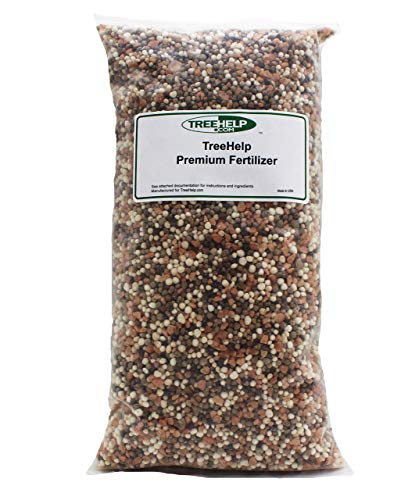
Not Available for Sell in WA, USA

LASTING COLOR: Miracle-Gro Tree & Shrub Plant Food Spikes are fertilizer spikes for trees and shrubs; they promote vibrant color and foliage for trees and shrubs in your yard
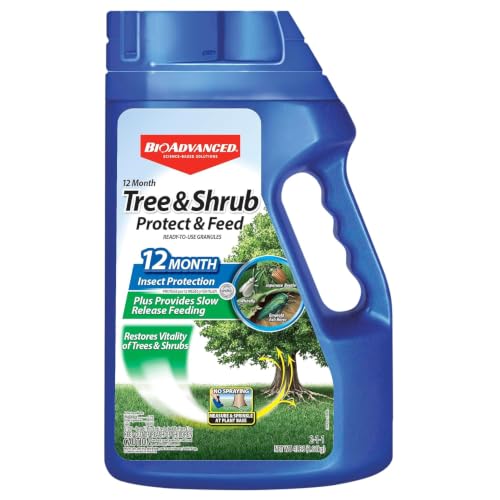
INSECT KILLER: 12 Month Tree & Shrub Protect & Feed kills Japanese Beetles, Emerald Ash Borers, Adelgids, Leafminers, Aphids, and other listed insects that damage trees and shrubs
Watering and Fertilizing
Water your persimmon tree regularly, especially during the first year. It’s essential to keep the soil consistently moist but not waterlogged. Aim for about 1-2 inches of water each week, adjusting as needed for rainfall and temperature.
Fertilizing twice a year encourages growth. Use a balanced fertilizer in early spring and again in late summer. Follow package instructions for amounts, typically about 1 pound per 10-square-foot area. Pay attention to the tree’s condition; yellow leaves may indicate a nutrient deficiency.
Pruning Techniques
Pruning your persimmon tree shapes its structure and promotes healthy growth. Start pruning when the tree is dormant, typically in late winter. Remove any dead or damaged branches. Focus on creating an open center, allowing sunlight to reach all parts of the tree.
Thin the branches to promote air circulation. Aim for a spacing of about 6-12 inches between major branches. Always use clean, sharp tools to minimize the risk of disease.
These care practices enhance your tree’s growth, ensuring a bountiful harvest of delicious persimmons.
Harvesting Persimmons
Harvesting persimmons involves careful timing and technique to ensure optimal flavor and quality. You want to pick the fruit at the right moment for the sweetest taste.
When to Harvest
You’ll know persimmons are ready for harvest based on their color and texture. For Asian persimmons, wait until they turn from green to a vibrant orange. For American persimmons, they should droop and take on a dark orange hue. Fruits often soften as they ripen; softness indicates readiness. Check them late September through early November, depending on your climate. Always taste a few; sweet flavor signals perfect timing.
How to Harvest
You can harvest persimmons by gripping the fruit gently and twisting it off the branch. Avoid pulling, as this might damage the fruit and tree. Use garden shears for hard-to-reach fruit or if the stems are thick. Collect harvested persimmons in baskets lined with soft cloth to prevent bruising. Handle the fruit delicately since their skins can bruise easily. After harvesting, enjoy them fresh, or store them at room temperature to enhance sweetness over time.
Common Pests and Diseases
Understanding common pests and diseases helps ensure the health of your persimmon tree. Awareness of these issues allows you to act quickly, protecting your investment and maximizing your harvest.
Recommended Products

Protect your oasis with 3 garden products in 1 from Captain Jack’s; Bonide Captain Jack’s Ready-to-Use Neem Oil spray for plants is a multi-purpose fungicide, insecticide and miticide for your lawn & garden

FUNGAL DISEASE CONTROL: Prevents and controls black spot on roses, powdery mildew, rust, downy mildew, and other listed fungal diseases when applied on a 7–14 day schedule

FOR ORGANIC GARDENING - Captain Jack's NeemMax is a perfect pest control solution for any garden dealing with mites, flies, mildew, and more. This product is a four-in-one insecticide, fungicide, miticide, and nematicide.
Identifying Pests
Monitor your tree for the following pests:
- Aphids: Small, soft-bodied insects that cluster on new growth and stems. Look for curled leaves or sticky residue.
- Spider Mites: Tiny, spider-like creatures on leaf undersides. Check for yellowing or speckled leaves.
- Scale Insects: Hard, shell-like bumps on branches or leaves. Identify them by their brown or gray color and the overall decline in tree vigor.
- Caterpillars: Look for visible damage on leaves. You might find them feeding and leaving behind frass (excrement) on the ground.
Regular inspections increase your chances of early detection, allowing effective treatment.
Preventive Measures
Implement these measures to keep your persimmon tree pest-free:
- Maintain Healthy Trees: Healthy trees resist pests better. Ensure appropriate watering and nutrition to promote vigor.
- Use Organic Insecticides: Apply insecticidal soap or neem oil at the first sign of pests. Both options are effective and less harmful to beneficial insects.
- Encourage Beneficial Insects: Attract ladybugs and lacewings, which feed on harmful pests. Plant flowers like marigolds and dill nearby to draw them in.
- Keep the Area Clean: Remove fallen leaves and debris around the tree to reduce hiding places for pests.
These preventive actions create a robust defense against pests and diseases. Regular monitoring and timely interventions ensure the vitality of your persimmon tree.
Conclusion
Growing a persimmon fruit tree can be a delightful and fulfilling experience. With the right knowledge and care you can enjoy the sweet rewards of your hard work. Remember to choose the right variety for your climate and provide the necessary care to help your tree thrive.
As you nurture your persimmon tree you’ll not only be rewarded with delicious fruit but also with the joy of watching it grow. Embrace the journey and don’t hesitate to reach out for advice or tips along the way. Happy gardening and may your persimmons bring you plenty of sweetness!
Frequently Asked Questions
What are the main types of persimmon trees?
Persimmon trees mainly come in two types: Asian Persimmons and American Persimmons. Asian Persimmons produce sweet, non-astringent fruits suitable for warmer climates. In contrast, American Persimmons yield smaller, astringent fruits that sweeten after frost and can grow in various climates.
Why should I grow a persimmon tree?
Growing a persimmon tree offers numerous benefits, including nutritious fruit, pest resistance, drought tolerance, and aesthetic appeal. Additionally, persimmons can be used in many culinary applications, enhancing your diet and garden’s beauty.
How do I choose the right location for my persimmon tree?
Select a sunny spot with good air circulation, avoiding low areas prone to frost. Ensure the soil is well-draining and rich in organic matter. A recommended pH level between 6.0 and 7.5 is ideal for healthy growth.
What are the watering and fertilizing needs for persimmon trees?
Persimmon trees require regular watering, particularly during their first year. Fertilize twice a year using a balanced fertilizer to promote healthy growth and fruit production. Proper care is crucial for a successful harvest.
When is the right time to harvest persimmons?
Harvest persimmons when they reach their peak flavor and quality. Asian persimmons should be bright orange, while American persimmons darken to a drooping dark orange. Gently twist or use garden shears to collect fruit without damaging it.
What common pests and diseases affect persimmon trees?
Common pests include aphids, spider mites, scale insects, and caterpillars. Regularly inspect your trees for early detection, and maintain tree health through proper watering and nutrition. Use organic insecticides and promote beneficial insects to prevent infestations.
How can I improve soil drainage for my persimmon tree?
To improve soil drainage, ensure that the planting area is well-aerated and contains organic matter. Test the soil for drainage capacity and amend it if necessary. Raised beds can also help promote better drainage for persimmon trees.
