

Have you ever watched helplessly as birds and pests snacked on your precious fruit? You’re not alone. Many gardeners face the frustration of losing their hard-earned harvest to hungry critters. It can feel disheartening when all your efforts seem to go to waste.
But don’t worry—netting your large fruit tree is a simple yet effective solution. This article will guide you through the best techniques to protect your tree and ensure a bountiful harvest. You’ll learn how to choose the right materials, set up the netting securely, and keep your fruits safe from unwanted visitors. With a few easy steps, you can enjoy the fruits of your labor without the worry of losing them to pests.
Key Takeaways
- Protection From Pests: Netting is essential for safeguarding large fruit trees from birds, insects, and deer, ensuring a healthy harvest.
- Material Selection: Choose the appropriate type of netting (bird, insect, or heavy-duty) based on the specific threats to your trees.
- Preparation Steps: Clean the tree, inspect for pests, and prune branches before installing netting to enhance protection and allow for effective coverage.
- Effective Installation: Securely drape or frame the netting around the tree, checking for gaps that could allow pests and birds to enter.
- Timing Matters: Install netting when fruits begin to form and monitor weather conditions to prevent damage during storms.
- Routine Maintenance: Regularly inspect and maintain the netting throughout the growing season to ensure its effectiveness and prolong its lifespan.
Understanding The Need For Netting
Netting creates an essential barrier between your fruit trees and unwanted threats. It protects your harvest, ensuring you enjoy the fruits of your labor without stress.
Benefits Of Netting Fruit Trees
- Prevents Bird Damage: Netting deters birds from pecking at ripe fruits. For instance, a well-netted cherry tree can save 75% of its harvest from avian raiders.
- Reduces Pest Infestation: Netting shields fruits from various insects. Caterpillars and beetles struggle to reach the fruit when netting is applied correctly.
- Minimizes Disease Risk: By keeping pests away, netting helps reduce disease transmission. A healthy tree will produce better fruit.
- Encourages Larger Yields: Protected fruits often grow larger and juicier. This can maximize your harvest, providing more produce per tree.
- Non-Toxic Solution: Using netting avoids the need for chemical deterrents or pesticides, promoting environmental health.
- Birds: Common pests like sparrows and starlings cause significant damage. They feed on fruit or peck holes into the skin.
- Insects: Aphids, fruit flies, and beetles can invade trees. They may feed on or lay eggs in your fruit.
- Deer: These larger animals can nibble on branches and fruit clusters, resulting in losses.
- Weather Damage: Strong winds or storms can disturb loose netting. Proper installation prevents this issue.
By understanding these threats, you can effectively use netting to secure your fruit trees, allowing you freedom to enjoy your harvest without worry.
Materials And Tools Required
To net a large fruit tree effectively, gather specific materials and tools. These essentials ensure your netting process is successful and protects your harvest.
Recommended Products

Extra Large Coverage: 15ft x 15ft bird netting offers full protection for large fruit trees and plants.

Convenient Zipper and Drawstring Design---Our Fruit Tree Netting for Cicadas has a user - friendly, durable zipper. It makes accessing fruit trees & blueberry bushes easy during trimming, watering, or harvesting. No more struggling with complex closures or removing the whole net. This is especially useful for cicada protection. The attached drawstring enhances functionality, allowing you to secure the net tightly around plants. This combo ensures easy handling & a snug fit, even in windy conditions, making plant maintenance stress - free.
Types Of Netting Available
- Bird Netting: This lightweight, durable netting keeps birds away from your fruit. Look for netting with 3/4-inch holes for effective protection while allowing sunlight and rain through.
- Insect Netting: Utilize fine mesh insect netting to safeguard fruits from pests like aphids and beetles. This type prevents insect entry while still providing airflow.
- Heavy-Duty Netting: Opt for heavy-duty options if larger animals like deer pose a threat. This robust netting withstands harsh conditions and can last several seasons.
- PVC or Metal Stakes: Use stakes to support your netting. Space them around the tree to create a secure framework for the netting.
- Bungee Cords or Clips: These provide additional security by fastening the netting to stakes, ensuring it stays in place during wind or rain.
- Scissors or Utility Knife: Utilize sharp cutting tools to trim netting to the desired size, ensuring an accurate fit around your tree.
Assembling these materials and tools prepares you for an efficient and effective netting process.
Step-By-Step Guide To Netting A Large Fruit Tree
Netting a large fruit tree involves careful preparation and technique. Follow these steps to ensure your fruit is protected effectively.
Recommended Products
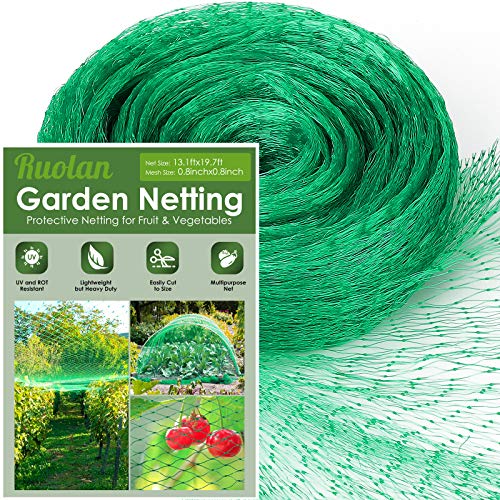
【Perfect size】(Garden Netting size 13ftX20ft, Mesh Size 0.8inchX0.8inch), Protect fruit tree plant blueberry strawberry from animals

Size: Deer netting size 7 feet x 100 feet; garden netting mesh size 3/4"; color: black; Easy to use accessories included: 10pcs installation nails & 50pcs cable ties
Preparing The Tree For Netting
- Clean the Tree: Remove any dead leaves, debris, or overripe fruits from around the base. Cleaning prevents pests from hiding and encourages healthy growth.
- Inspect for Pests: Look for signs of pest infestations. Treat any detected issues with organic pesticides or natural remedies before netting.
- Prune Wisely: Trim excess branches if they obstruct the net’s coverage. Pruning creates a more open structure, allowing for better netting support.
- Measure the Tree: Determine the height and width of your tree. Use a measuring tape to get accurate dimensions for the netting.
- Plan the Setup: Decide the netting structure. Choose whether you’ll drape the net or create a frame around the tree. This decision influences how you’ll secure the net.
- Select Type of Netting: Choose bird netting for protecting against birds or insect netting for pests. Consider heavy-duty options for larger animals.
- Choose a Support Structure: Use PVC pipes for a freestanding frame or metal stakes around the perimeter. Ensure the structure is strong enough to hold the net securely.
- Drape Carefully: If draping the net, position it over the top and let it fall to the ground. Secure the bottom edges with rocks or soil to prevent gaps.
- Secure the Net: Use bungee cords or clips to attach the net to the support structures. Ensure it’s taut but not overly tight, which can cause damage.
- Check for Gaps: After securing the net, examine for any openings. Tighten and adjust the net to eliminate any places pests or birds could enter.
Adopting these steps guarantees your large fruit tree gets the protection it deserves, leading to a successful harvest season.
Tips For Successful Netting
Netting your large fruit tree requires careful attention to timing and maintenance to maximize its effectiveness.
Recommended Products

Protect Your Vegetables and Fruits: LCHUANG Garden Netting is great for orchards, greenhouses, gardens, nurseries, patios, and shrubs. This Bird Netting with a zipper can protect blueberries, tomatoes, trees, fruits, flowers, vegetables, and potted plants from insects, birds, and bugs, which helps the plants grow normally.

Large Fruit Tree Netting Bags: The fruit tree netting measures 6 ft wide x 6 ft high, which is large enough to cover the entire plant, suitable for different sizes of plants, fruit trees, shrubs.
Timing And Weather Considerations
Timing plays a crucial role in successful netting. Install the netting when fruit begins to form, typically in early spring. This early intervention prevents birds and pests from discovering the fruit before it ripens. Monitor the weather; avoid netting during storms that could damage the tree or the netting itself. If forecasted high winds or heavy rains are expected, consider delaying netting until conditions improve. Additionally, keep an eye on seasonal changes. In cooler climates, netting may extend into fall to protect late-ripening fruits.
Maintenance Of The Netting
Regular maintenance ensures continued security for your fruit tree. Inspect the netting every few weeks for any signs of wear or damage. Look for tears, holes, or any areas where the netting may have sagged. Repair small tears with duct tape or replace sections of the netting as needed. Ensure the netting remains taut to prevent birds from getting trapped or pests from sneaking underneath. After harvesting, remove the netting carefully. Store it properly in a dry space to avoid mold or degradation, preparing it for future use next season. Taking these steps keeps your fruit trees protected and healthy all year long.
Conclusion
Netting your large fruit tree is a fantastic way to protect your hard-earned harvest from pesky birds and pests. By following the right steps and using the appropriate materials you can create a secure barrier that keeps your fruits safe.
Remember to check your netting regularly and make any necessary repairs to ensure it stays effective throughout the season. With a little effort and attention you’ll be able to enjoy a bountiful harvest without the worry of losing your fruits to hungry critters. Happy gardening and may your trees thrive!
Frequently Asked Questions
What is the purpose of netting large fruit trees?
Netting large fruit trees serves as a protective barrier against birds, pests, and larger animals. It helps prevent damage to the fruit, reduces pest infestation, minimizes disease risk, and ultimately encourages larger yields. By using netting, gardeners can enjoy their harvests without the fear of losing produce to unwanted threats.
When should I install netting on my fruit trees?
Netting should be installed when the fruit begins to form, typically in early spring. This timing ensures that the protective barrier is in place before birds and pests start to target the ripening fruit.
What materials are needed for netting fruit trees?
To net fruit trees effectively, you’ll need bird netting or insect netting, PVC or metal stakes for support, and bungee cords or clips for securing the netting. Scissors or a utility knife may also be necessary to trim the netting to the right size.
How do I prepare my fruit tree for netting?
Before netting, clean the tree to prevent pests, inspect for infestations, and prune branches for better netting coverage. Proper preparation ensures that the netting can be draped effectively, providing optimal protection.
How can I ensure that my netting is secure?
To ensure secure netting, drape it carefully over the tree, use bungee cords or clips to fasten it tightly, and check for gaps. Regularly inspecting and maintaining the netting will help keep it secure throughout the growing season.
What should I do after the harvest?
After harvesting, it’s essential to remove the netting carefully to avoid damaging the tree. Clean the netting and store it properly to ensure it remains in good condition for future use, extending its lifespan for subsequent seasons.
