

Have you ever wondered why some fruit trees thrive while others struggle? The secret often lies in what you plant them in. Choosing the right soil and container can make a world of difference in your tree’s health and productivity.
Key Takeaways
- Choose the Right Soil: Selecting a well-draining, nutrient-rich soil is crucial for optimal fruit tree growth and productivity.
- Monitor pH Levels: Maintain soil pH between 6.0 and 7.0 to enhance nutrient absorption and ensure healthy development.
- Consider Drainage: Ensure proper drainage to prevent root rot; use raised beds or well-draining containers if planting in heavy soils.
- Select Appropriate Containers: For container gardening, choose a minimum 15-gallon pot with drainage holes and a high-quality mix designed for fruit trees.
- Timing and Location Matter: Plant fruit trees in zones with ample sunlight and consider local climate conditions to maximize growth and yield.
- Ongoing Care is Essential: Regular maintenance, including monitoring soil moisture and nutrients, is key to sustaining the health of your fruit trees.
Importance Of Choosing The Right Planting Medium
Selecting the appropriate planting medium is crucial for the healthy growth of fruit trees. The medium influences drainage, nutrient availability, and root development. Here’s a look at key factors.
Drainage
Drainage impacts root health. Soil that retains too much water can lead to root rot. Use a mix that allows excess water to flow out while retaining moisture.
Nutrient Availability
Nutrients support growth and fruit production. A medium rich in organic matter, like compost or well-rotted manure, provides essential nutrients. You’ll often see better yields with nutrient-rich soil.
pH Levels
Soil pH affects nutrient absorption. Most fruit trees prefer a pH between 6.0 and 7.0. Testing your soil can help you adjust its acidity with amendments like lime for acidity or sulfur for alkalinity.
Soil Structure
Soil structure influences air circulation. Loose, crumbly soil allows roots to grow freely. Compact or heavy soil restricts growth. Incorporating materials like perlite or sand improves aeration in dense soils.
Container Selection
If planting in containers, choose the right size for your trees. Larger containers hold more soil, which retains moisture and provides space for root expansion. Ensure containers have drainage holes to prevent waterlogging.
In essence, planting medium plays a significant role in the health and productivity of fruit trees. Proper selection of drainage, nutrients, pH, structure, and container choice sets the foundation for successful growth.
Types Of Planting Mediums
Selecting the right planting medium plays a vital role in the growth of fruit trees. You can choose from a variety of mediums to ensure optimal health and productivity.
Recommended Products

KNOW BEFORE YOU GROW | Grow the healthiest, sustainable lawn and garden with the most accurate and easy to use professional soil test kit on the market

Kindly NOTE: This soil tester can not be applied to test pH value of any other liquid. If the soil is too dry the indicator will not move, and water it before testing.

Accurate Soil pH Testing: Dewildetradingco Soil pH Test Strips offer measurements of soil pH levels (pH 3.5-9). As an essential tool for every gardener and grower, these test strips help determine the optimal pH for various plants, such as outdoor plants, indoor plants, gardens, grass lawns, fruit trees, flowers, vegetables, and forest shrubs.
Soil Composition
Soil composition directly impacts how fruit trees grow. A balanced mixture consists of:
- Topsoil: Provides essential nutrients and supports root systems.
- Organic Matter: Enhances soil fertility. Compost, aged manure, or leaf mold work well.
- Sand: Improves drainage, preventing waterlogging.
- Clay: Retains moisture but can cause compaction if overly predominant.
- Perlite or Vermiculite: Increases aeration and prevents soil compaction.
Aim for a soil pH between 6.0 and 7.0. Test your soil with a simple home kit to check pH levels. Amend the soil with lime or sulfur to adjust its pH as necessary, ensuring a balanced environment for nutrient absorption.
Container Gardening
Container gardening offers flexibility for growing fruit trees. Choose the right size and type of container for successful growth:
- Size: Select a container that’s at least 15 gallons for most fruit trees. This allows space for root growth.
- Material: Use materials like ceramic, plastic, or metal, ensuring they have drainage holes. Avoid containers without drainage, as they cause root rot.
- Soil Mix: Use a high-quality potting mix designed for fruit trees. Look for mixes containing peat moss, perlite, and compost.
- Watering: Monitor moisture levels closely. Containers dry out faster than garden beds, so water as needed, but avoid overwatering.
Container gardening allows you to control the environment, offering an excellent alternative for limited space or poor soil conditions.
Factors To Consider When Planting Fruit Trees
When planting fruit trees, several key factors impact their growth and productivity. Understanding these elements helps you create ideal conditions for your trees.
Recommended Products

-Two Essential Soil Tests in One: Measures soil pH (3.5–9.0) and Nitrogen levels (40–320 mg/kg) to improve nutrient availability, plant health, root development, and growth outcomes.

Scientific maintenance: The 7 in one soil testing kit is more suitable for beginners, and can help you comprehensively understand the soil conditions of gardens and lawns, solving your confusion. You can adjust soil moisture and pH according to the values, and you can also clearly see the air temperature and humidity as well as soil temperature through the LCD display to improve plant growing conditions in time and scientifically nurture seedlings to help you make your plants flourish

✅ 1Dial & 1 LCD Screen - Replace/install all 3 batteries each time. Put button to %RH/°F to - Turn On, and put to LIGHT to - Turn Off. Read the LCD results in 3-5 mins. (Not Water Moisture Meter, so, please don't test liquid)
Drainage
Proper drainage ensures your fruit trees thrive. Poor drainage leads to waterlogged soil, which increases the risk of root rot.
- Choose a location with well-draining soil. Sandy or loamy soils work best.
- If planting in heavy clay, consider adding organic matter to improve drainage.
- Opt for raised beds when ground drainage is an issue. This helps excess water escape.
- Use containers with drainage holes if you’re planting trees in pots. This prevents standing water around the roots.
pH Levels
Soil pH significantly affects nutrient availability for fruit trees. Most fruit trees prefer a pH range of 6.0 to 7.0.
- Test your soil’s pH using a soil test kit. This lets you know if amendments are necessary.
- For acidic soils (pH below 6.0), incorporate lime to raise the pH level.
- For alkaline soils (pH above 7.0), add sulfur or organic matter to lower pH.
- Regular testing every few years helps maintain optimal pH levels for healthy growth.
By focusing on drainage and pH levels, you set the stage for the successful growth of your fruit trees.
Best Practices For Planting Fruit Trees
Selecting the right conditions for planting fruit trees significantly impacts their growth and productivity. Focus on location, timing, and ongoing care for the best results.
Recommended Products
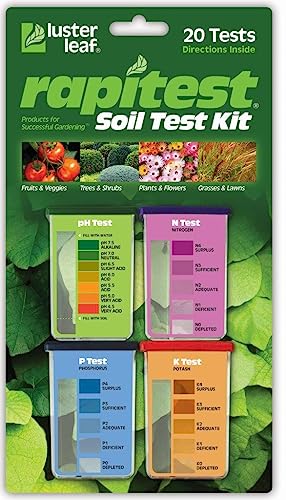
Quick, at home results for Soil pH, Nitrogen, Phosphorous and Potash Innovative and inexpensive soil test kit features an easy-to-use capsule system and patented color comparators
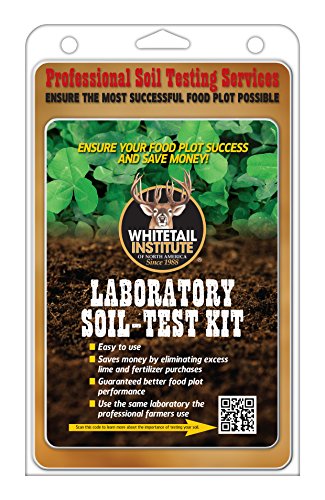
ENSURE the most SUCCESSFUL food plot possible
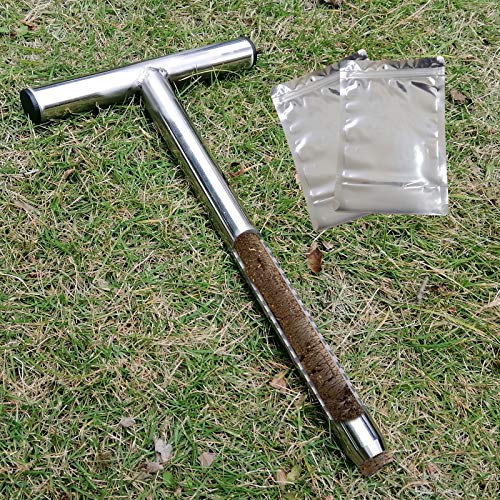
STAINLESS STEEL MATERIAL: Made with the exceptional workmanship and stainless steel materials, our soil probes are finely machined for smooth, easy sampling, and long-lasting durability
Choosing The Right Location
- Sunlight Exposure: Locate your fruit trees in an area receiving at least 6-8 hours of direct sunlight daily. Full sun promotes healthy growth and fruit production.
- Wind Protection: Avoid placing trees in areas exposed to strong winds. Use fences or other structures to shield them, preventing damage and stress.
- Soil Drainage: Check for well-draining soil. Test the site during rain to ensure water doesn’t pool. Choose a raised area if drainage is poor.
- Proximity to Other Plants: Leave sufficient space between fruit trees and other plants. This minimizes competition for nutrients and sunlight.
- Access for Maintenance: Position trees where you can easily access them for pruning, watering, and harvesting. This keeps care manageable throughout the growing season.
- Best Planting Season: Plant bare-root trees in early spring while the ground is still cool. For potted trees, late spring to early summer is ideal. This timing encourages strong root establishment.
- Soil Temperature: Ensure soil temperatures are consistently above 50°F (10°C) before planting. Cold soil may hinder root growth.
- Local Climate Considerations: Be aware of your region’s frost dates. Avoid planting too early to prevent frost damage and choose the end of the growing season for late-fall planting if suitable.
- Weather Conditions: Choose a calm day for planting. Avoid windy or rainy days to ensure the soil remains stable during the process.
- Prepare in Advance: Prepare the planting site several weeks before the desired planting date. Clear weeds, test pH levels, and amend the soil as necessary to optimize conditions.
Conclusion
Getting your fruit trees off to a great start is all about the right planting conditions. By focusing on soil quality and container choice you’re setting the stage for healthy growth and bountiful harvests. Remember to prioritize good drainage and the right pH levels to help your trees thrive.
Whether you’re planting in the ground or using containers, the right mix of materials can make all the difference. With a little care and attention your fruit trees will reward you with delicious fruits for years to come. Happy planting!
Frequently Asked Questions
Why is soil selection important for fruit trees?
Soil selection is crucial for fruit trees because it directly affects drainage, nutrient availability, and pH levels. Choosing the right soil can prevent issues like root rot and ensures that the trees receive essential nutrients for optimal growth and fruit production.
What is the ideal pH range for fruit trees?
Most fruit trees thrive in soil with a pH range of 6.0 to 7.0. This range facilitates proper nutrient absorption, helping the trees grow healthy and produce abundant fruit.
How can I improve drainage in heavy clay soils?
To improve drainage in heavy clay soils, you can add organic matter, like compost, to increase soil structure and aeration. Using raised beds can also help prevent waterlogging and promote better drainage.
What type of container should I use for growing fruit trees?
When growing fruit trees in containers, choose one that is appropriately sized with drainage holes. This allows for moisture retention and proper root expansion, which is vital for the health of the tree.
How can I test and amend soil pH?
You can test soil pH using a home testing kit available at garden centers. If necessary, amend the soil by adding lime to raise pH or sulfur to lower it, ensuring that the nutrient absorption stays optimal for fruit trees.
When is the best time to plant fruit trees?
The best time to plant bare-root fruit trees is in early spring, while potted trees should be planted in late spring to early summer. Always consider local climate conditions and soil temperature when planning your planting.
What are the best practices for ongoing care of fruit trees?
Ongoing care for fruit trees includes ensuring they receive at least 6-8 hours of sunlight daily, protecting them from wind, and regularly monitoring soil and moisture conditions. Routine pH testing and necessary amendments are also important for healthy growth.
