

Ever wondered how many juicy honeydew melons a single plant can produce? Picture this: you’re strolling through your garden, eagerly anticipating the sweet taste of homegrown melons. But how many can you expect from each plant? That’s where we come in to shed some light on this fruitful topic.
In this article, we’ll uncover the secrets behind maximizing your honeydew harvest. Imagine the satisfaction of plucking ripe melons straight from your own garden with the knowledge of how to make the most of each plant. From planting tips to nurturing advice, we’ve got you covered every step of the way.
Key Takeaways
- Plant genetics, growing conditions, care, and management are crucial factors that influence honeydew melon yield per plant.
- Optimal soil pH, climate conditions, and proper irrigation are essential for maximizing honeydew melon growth and fruit production.
- Consistent watering practices, balanced fertilization, pruning of excess foliage, and providing support structures contribute to achieving a bountiful harvest of honeydew melons.
- Harvest honeydew melons when they reach full maturity based on skin color and aroma; store them at room temperature before refrigerating to maintain freshness.
Factors Affecting Honeydew Melon Yield
When it comes to the yield of honeydew melons, several factors play a crucial role in determining how many fruits you can harvest from each plant. Understanding these factors will help you optimize your garden for a bountiful harvest.
Plant Genetics
The genetics of the honeydew melon plant are a significant factor that influences its yield potential. Different varieties of honeydew melons have varying growth habits, fruit sizes, and production capacities. Some cultivars are specifically bred for high yields, while others may focus on flavor or resistance to diseases. Choosing the right genetic variety suited to your growing conditions can positively impact the number of melons produced per plant.
Growing Conditions
Providing optimal growing conditions is essential for maximizing honeydew melon yield. Factors such as sunlight exposure, soil quality, water availability, and temperature levels all contribute to the overall health and productivity of the plants. Honeydew melons thrive in warm climates with plenty of sunlight and well-draining soil rich in nutrients. Ensuring proper irrigation and regular monitoring of environmental conditions can support healthy plant growth and increase fruit production.
Care and Management
Proper care and management practices are key to ensuring robust honeydew plants that produce an abundant harvest. Regular watering, fertilization, pruning, and pest control measures help maintain plant vigor and minimize stressors that could affect fruit development. Adequate spacing between plants allows for good air circulation and prevents overcrowding, promoting healthier growth patterns and higher fruit set rates. Implementing a consistent care routine throughout the growing season is vital for supporting continuous flower production and fruit formation.
By paying attention to these critical factors – plant genetics, growing conditions, care, and management – you can enhance the yield potential of your honeydew melon plants and enjoy a plentiful harvest straight from your garden.
Optimal Conditions for Growing Honeydew Melons
When aiming to optimize the growth of your honeydew melon plants, there are specific conditions you should focus on to ensure a successful harvest. Paying attention to the following factors will help you create an ideal environment for your honeydew melons.
Soil Requirements
For healthy honeydew melon plants, it’s crucial to provide well-draining soil rich in nutrients. Aim for a sandy loam soil type with a pH level between 6.0 and 6.5. This pH range supports optimal nutrient uptake by the plants, promoting robust growth and fruit development.
Ensure proper soil preparation before planting your honeydew melons by incorporating organic matter such as compost or aged manure. This enhances soil structure, water retention, and nutrient availability, creating a fertile ground for your plants to thrive.
Climate and Weather
Honeydew melons flourish in warm climates with plenty of sunlight. Ideally, these plants require temperatures between 70°F and 90°F (21°C – 32°C) during the day and above 60°F (15°C) at night for optimal growth. Ensure your planting location receives full sun exposure throughout the day to promote photosynthesis and fruit maturation.
While honeydew melons love warmth, they also need consistent moisture levels. Adequate irrigation is essential, especially during periods of dry weather or when fruits are forming. Mulching around the base of the plants can help retain soil moisture and regulate temperature fluctuations, creating a stable microclimate for healthy growth.
Care Techniques for Maximum Yield
Ensuring that your honeydew melon plants receive the right care is crucial for achieving a bountiful harvest. Here are some essential techniques to help you maximize the yield of your honeydew melon plants:
Recommended Products

Beautiful - Large individual packet of Green Honeydew Melon (Cucumis melo) seeds. Grow an abundant harvest of sweet melons. Each plant grows vigorously and produces 2-4 melons. Minimum of 1.5g per packet (about 50 seeds).
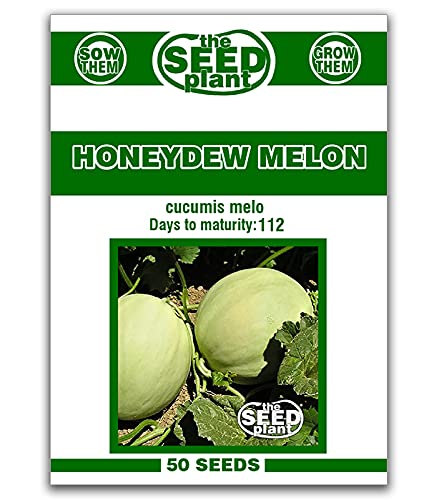
Packaged for envelope delivery.

Appearance: Green honeydew melons have a distinctive pale green to light yellow rind that is smooth and often slightly waxy to the touch. The interior flesh is a vibrant, pale green and has a very juicy, almost gelatinous texture.
Watering Practices
When it comes to watering your honeydew melon plants, consistency is key. You should aim to keep the soil consistently moist but not waterlogged. A good practice is to water deeply and less frequently to encourage deep root growth. Consider using drip irrigation or soaker hoses to deliver water directly to the roots while avoiding wetting the foliage, which can lead to disease.
Fertilization and Nutrition
Proper fertilization is vital for healthy honeydew melon plants and optimal fruit production. Before planting, incorporate well-rotted compost or aged manure into the soil to provide essential nutrients. During the growing season, supplement with a balanced fertilizer high in potassium, phosphorus, and nitrogen to support overall plant growth and fruit development.
Pruning and Support
Pruning helps maintain plant vigor by removing excess foliage that can shade fruits or harbor pests. Regularly prune off any dead or diseased leaves as well as suckers that divert energy from fruit production. Providing support such as trellises or cages can prevent vines from sprawling on the ground, reduce pest damage, and make harvesting easier.
By following these care techniques diligently, you’ll give your honeydew melon plants the best chance at producing a plentiful harvest of delicious fruits.
Harvesting and Storing Honeydew Melons
When to Harvest
Harvest honeydew melons when they reach full maturity. You can determine this by checking the color of the skin; it should have a creamy yellow hue and a slightly waxy feel. Another indicator is the aroma – ripe honeydew melons emit a sweet fragrance.
Storage Tips
After harvesting, store your honeydew melons properly to maintain their freshness. It’s best to keep them at room temperature for a few days to enhance their sweetness before refrigerating. Once cut, wrap the unused portion in plastic wrap and store it in the fridge for up to five days.
Conclusion
You’ve now learned about the key factors that impact honeydew melon yield, from genetics to growing conditions and care practices. By selecting suitable genetic varieties, providing optimal sunlight and soil quality, and implementing proper care routines like watering and pest control, you can enhance your harvest. Remember the importance of warm climates and soil quality for successful growth. When it comes to harvesting, ensure you pick ripe melons based on skin color and fragrance. For storage, start at room temperature before refrigerating post-cutting. By following these guidelines diligently, you can enjoy a bountiful honeydew melon harvest in your garden.
Frequently Asked Questions
What factors influence honeydew melon yield?
Honeydew melon yield is influenced by plant genetics, growing conditions, and care practices. Genetic varieties, sunlight exposure, soil quality, watering, fertilization, and pest control all play crucial roles.
Why is soil quality important for honeydew melon growth?
Soil quality directly impacts honeydew melon growth. Rich and well-draining soil with proper nutrients promotes healthy root development and overall plant vigor.
How should I harvest honeydew melons?
Harvest honeydew melons at full maturity indicated by skin color and aroma. Cut the fruit carefully from the vine to avoid damage.
How should I store harvested honeydew melons?
Store harvested honeydew melons initially at room temperature to ripen fully. Once ripe, refrigerate cut portions in an airtight container to maintain freshness.
