

Are you facing the challenge of planting blackberries near raspberries, only to discover they don’t thrive as expected? Picture this: eagerly nurturing your raspberry patch, only to realize that your blackberry plants are not flourishing as they should. Why is it crucial to keep these two delicious fruits at a distance from each other in your garden?
In this article, you’ll uncover the reasons why planting blackberries away from raspberries is essential for their growth and overall well-being. By understanding the benefits of separating these berry varieties, you’ll set yourself up for a successful and bountiful harvest. Let’s explore how this simple adjustment in your gardening approach can make a significant difference in the health and productivity of your berry plants.
Key Takeaways
- Understanding the differences in plant structure, fruiting habits, and flavor profiles between blackberries and raspberries is essential for successful cultivation.
- Providing ideal growing conditions such as sunlight exposure, soil quality, and watering needs tailored to each berry type is crucial for optimal growth.
- Planting blackberries away from raspberries helps prevent disease spread, cross-pollination issues, and allows for effective management of their growth patterns.
- Implementing effective gardening techniques like proper spacing, planting strategies, soil preparation, and nutrition management ensures the health and productivity of both berry varieties.
Understanding Berry Plant Basics
When it comes to cultivating blackberries and raspberries, understanding some basic principles can make a significant difference in the health and yield of your plants. Let’s delve into the key aspects that differentiate these two berry varieties and the optimal conditions for their growth.
Recommended Products
Fragrant Flowers: Bloom blossoms that provide precious nectar for pollinators like bees, creating your own romantic orchard with heavy fruit and rich flavor

4 Seedlings and 5 Strawberry Rootstocks: Get One seedling of Raspberry, Blueberry, Grape, Blackberry and 5 Strawberry Rootstocks. If you want more fruit trees just buy more kits.

🍓 Sweet, Juicy Homegrown Raspberries: Enjoy delicious, sun-ripened berries straight from your garden. Perfect for fresh eating, baking, jams, and freezing.
Differences Between Blackberries and Raspberries
Blackberries and raspberries belong to the same family but have distinct characteristics that set them apart. While both fruits are delicious and nutritious, they differ in terms of plant structure, fruiting habits, and flavor profiles.
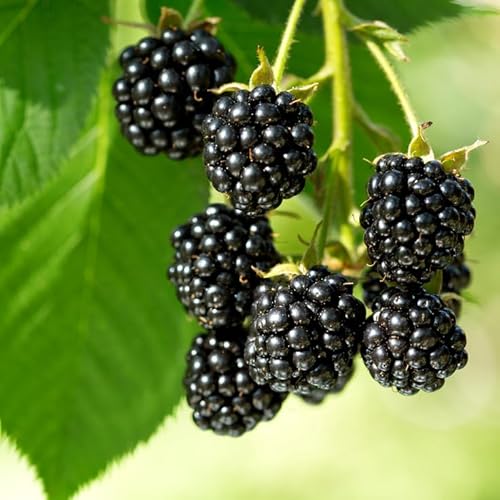
- Plant Structure: Blackberry bushes are typically thorny with biennial canes, meaning they bear fruit on second-year wood. In contrast, raspberry plants are usually thornless with perennial roots that produce fruit on new canes each year.
- Fruiting Habits: Blackberries tend to produce larger berries in clusters known as drupelets. On the other hand, raspberries have hollow cores and separate easily from their receptacles when picked.
- Flavor Profiles: Blackberries are known for their sweet-tart flavor with a hint of earthiness, while raspberries offer a slightly tangier taste with floral notes.
Understanding these distinctions is crucial for proper cultivation practices to ensure optimal growth and harvest of both blackberries and raspberries.
Ideal Growing Conditions for Each Berry Type
To cultivate thriving blackberry and raspberry plants, it’s essential to provide them with suitable growing conditions tailored to their specific needs.
- Blackberry Requirements:
- Sunlight: Blackberry bushes thrive in full sun exposure, requiring at least 6-8 hours of sunlight daily.
- Soil Quality: Well-draining soil rich in organic matter is ideal for blackberry cultivation.
- Watering: Regular watering is essential, especially during dry periods or when the fruits are developing.
- Raspberry Preferences:
- Sun Exposure: Raspberries prefer full sun but can tolerate partial shade if necessary.
- Soil Conditions: Raspberries thrive in loamy soil that retains moisture without becoming waterlogged.
- Water Needs: Consistent moisture levels are vital for raspberry plants; however, they should not sit in waterlogged soil.
By providing the appropriate environment based on these guidelines, you’ll create an optimal setting for your blackberry and raspberry plants to flourish and yield abundant harvests.
Reasons to Plant Blackberries Away From Raspberries
When planting your blackberries and raspberries, it’s crucial to keep them separate for several important reasons. Here’s why you should consider planting blackberries away from raspberries:
Recommended Products


Elevate your taste experience with these raspberry and blackberry gummies. A festive and visually captivating treat that promises a delightful culinary journey.

Soft, chewy fruit-flavored jells covered in candy seeds.
Disease Prevention and Control
To prevent the spread of diseases between blackberries and raspberries, it’s essential to plant them apart. Diseases specific to one type of berry can easily transfer to the other if they are in close proximity. By maintaining distance between your blackberry and raspberry plants, you reduce the risk of infections spreading, ensuring a healthier crop overall.
Cross-Pollination Issues
Planting blackberries away from raspberries helps avoid cross-pollination concerns. While both berries belong to the same genus, Rubus, they are distinct species with unique characteristics. Cross-pollination can lead to undesirable outcomes such as altered fruit flavors or sizes. Keeping them separated ensures that each berry maintains its true identity without unwanted genetic mixing.
Growth Habit Differences
Blackberries and raspberries have different growth habits that require specific care. Blackberry bushes tend to spread vigorously through underground roots, while raspberry plants grow in more contained patches. Placing them apart allows you to manage their growth patterns effectively without one variety overpowering the other. It also simplifies pruning and maintenance tasks tailored to each type of berry.
By understanding these reasons for planting blackberries away from raspberries, you can create optimal conditions for both types of berries to thrive independently and yield bountiful harvests in your garden.
Effective Gardening Techniques
When it comes to planting blackberries away from raspberries, implementing effective gardening techniques is essential for the optimal growth and health of both berry types. By paying attention to spacing and planting strategies, as well as soil and nutrition management, you can create an environment where blackberries and raspberries thrive without interfering with each other’s development.
Spacing and Planting Strategies
To ensure the successful cultivation of blackberries and raspberries in your garden, proper spacing between the two plants is crucial. When planting blackberries away from raspberries, make sure there is a distance of at least 600 feet between them. This separation helps prevent cross-pollination issues that can affect fruit quality. Additionally, consider using physical barriers such as fences or hedges to further isolate the two berry varieties.
When it comes to planting strategies, opt for raised beds or containers for blackberries if you’re growing them near raspberries. This method not only helps control their spread but also makes it easier to manage their growth habits individually. For raspberries, utilize trellises or support structures to promote healthy vertical growth while keeping them separate from neighboring blackberry plants.
Soil and Nutrition Management
Proper soil preparation and nutrition management are key factors in ensuring the vitality of both blackberry and raspberry plants. Before planting either type of berry, conduct a soil test to determine its pH level and nutrient content. Blackberries prefer slightly acidic soil with a pH range of 5.5-6.5, while raspberries thrive in well-draining soil with a pH of 6-6.5.
When fertilizing your berry plants, use organic amendments such as compost or aged manure to enrich the soil without overloading it with synthetic chemicals. Apply fertilizer based on the specific needs of each plant variety during different stages of growth; for example, provide nitrogen-rich fertilizer for raspberry canes in early spring but avoid excessive nitrogen for blackberry bushes during fruiting season.
By following these effective gardening techniques related to spacing, planting strategies, soil preparation, and nutrition management, you can create an ideal environment for both blackberry and raspberry plants to flourish independently while maximizing their yield potential.
Conclusion
By planting blackberries away from raspberries, you ensure that each berry thrives in its own optimal environment. This separation helps prevent diseases, maintains distinct flavors, and manages growth effectively. Providing tailored care for each plant’s unique needs is key to a successful harvest. Remember to consider factors like sunlight, soil quality, and watering requirements when cultivating these berries. With the right gardening techniques and attention to detail, both blackberries and raspberries can flourish independently and yield bountiful harvests. Happy planting!
Frequently Asked Questions
Q: Why is it important to plant blackberries separately from raspberries?
A: Planting blackberries separately from raspberries is essential to prevent diseases, avoid cross-pollination, and manage their growth habits effectively.
Q: What are the differences between blackberries and raspberries?
A: Blackberries and raspberries differ in plant structure, fruiting habits, and flavor profiles.
Q: What tailored growing conditions are crucial for cultivating blackberries and raspberries?
A: Providing proper sunlight, soil quality, and watering needs is essential for successful cultivation of both berries.
Q: How can effective gardening techniques help maximize the yield potential of blackberries and raspberries?
A: Implementing proper spacing, planting strategies, soil preparation, and nutrition management can help both berry types thrive independently.
