Close Menu
    Fruit Tree Hub
    • Home
    • Apple Trees
    • Lemon Trees
    • Mango Trees
    • Orange Trees
    • More Trees
      • Best Fruit Trees
      • Apricot Trees
      • Cherry Trees
      • Fig Trees
      • Lime Trees
      • Mulberry Trees
      • Peach Trees
      • Pear Trees
      • Plum Trees
      • Pomegranate Trees
    • Tips and Advice
      • Tools
    • About Us
      • Contact
      • Privacy Policy
    Fruit Tree Hub
    Home»Climbing Fruit»Raspberry»How to Grow Raspberries from Seed: A Complete Guide for Successful Planting
    Raspberry

    How to Grow Raspberries from Seed: A Complete Guide for Successful Planting

    Lucy SmithBy Lucy SmithAugust 25, 20247 Mins Read
    Share Facebook Twitter Pinterest WhatsApp Email
    Share
    Facebook Twitter LinkedIn Pinterest Telegram Email

    Have you ever dreamt of plucking juicy raspberries right from your own garden? Imagine the satisfaction of nurturing these vibrant fruits from tiny seeds to delicious harvests. But maybe you’re unsure where to start or feel daunted by the process.

    Contents show
    1 Key Takeaways
    2 Understanding Raspberry Seed Germination
    2.1 The Right Conditions for Seed Germination
    2.2 Time Frame for Raspberry Seed Sprouting
    3 Preparing to Plant Raspberry Seeds
    3.1 Choosing the Best Raspberry Seeds
    3.2 Necessary Supplies and Soil Types
    4 Planting Your Raspberry Seeds
    4.1 Step-by-Step Guide to Sowing Seeds
    4.2 Tips for Indoor vs. Outdoor Planting
    5 Caring for Raspberry Seedlings
    5.1 Watering and Feeding Requirements
    5.2 Controlling Pests and Diseases
    6 Transplanting Raspberry Plants
    7 Conclusion
    8 Frequently Asked Questions
    8.1 Q: What is the importance of understanding raspberry seed germination?
    8.2 Q: How long does it take for raspberry seeds to sprout?
    8.3 Q: What supplies are needed for planting raspberry seeds?
    8.4 Q: How can I ensure successful growth of raspberry plants from seed?
    8.5 Q: What is important in caring for raspberry seedlings?
    8.6 Q: How can I protect my raspberry plants from pests and diseases?
    8.7 Q: When should I transplant my raspberry seedlings?

    Picture this: You’re standing in your backyard, envisioning rows of flourishing raspberry plants swaying gently in the breeze. With a bit of guidance, patience, and know-how, you can turn this daydream into a reality.

    Key Takeaways

    • Understanding Raspberry Seed Germination is crucial for successful growth.
    • Provide the right conditions for seed germination: consistent temperature, moisture, and indirect light.
    • Choose high-quality raspberry seeds from reputable suppliers or save seeds from heirloom varieties.
    • Gather necessary supplies like seed trays, quality potting mix, and materials for a mini greenhouse effect before planting.
    • Follow proper steps for sowing seeds, ensuring adequate sunlight or artificial light and regular monitoring of progress.
    • Care for raspberry seedlings by watering deeply but infrequently, feeding with balanced fertilizer, and controlling pests organically.

    Understanding Raspberry Seed Germination

    When it comes to growing raspberries from seed, understanding the process of raspberry seed germination is crucial. Here’s what you need to know:

    MUST READ
    Optimal Raspberry Plant Spacing: Key Tips for Healthy Growth and High Yields

    The Right Conditions for Seed Germination

    To ensure successful raspberry seed germination, provide the following conditions:

    • Temperature: Raspberry seeds prefer a consistent temperature between 60-70°F (15-21°C) for optimal sprouting.
    • Moisture: Keep the soil consistently moist but not waterlogged to support seed germination.
    • Light: While raspberry seeds don’t need light to germinate, providing indirect light can help with growth once they sprout.

    Time Frame for Raspberry Seed Sprouting

    Raspberry seeds typically take around 3-4 weeks to sprout. However, this timeframe can vary based on factors like temperature and moisture levels. Be patient and maintain the right conditions for successful raspberry seed sprouting.

    Preparing to Plant Raspberry Seeds

    When it comes to preparing to plant raspberry seeds, there are a few key steps you should follow to ensure successful growth. Here’s what you need to know:

    Recommended Products
    200 pcs Red Raspberry Seeds for Planting Red Raspberry Sweet Fruit Vigorous Cold-Hardy Heirloom Non-GMO Fruit Great for Garden
    200 pcs Red Raspberry Seeds for Planting Red Raspberry Sweet Fruit Vigorous Cold-Hardy Heirloom Non-GMO Fruit Great for Garden

    Sunlight Needs​ : Full sun (6-8 hours daily for best fruit production)

    VIEW LATEST PRICE

    As an affiliate, we earn on qualifying purchases.

    MAQIHAN 50PCS Peat Pellets for Seedlings - 35MM Seed Starter Pellets Peat Pods for Starting Seeds Garden Soil for Planting Transplanting Growing Garden Flower Vegetables Germination Propagation Tray
    MAQIHAN 50PCS Peat Pellets for Seedlings - 35MM Seed Starter Pellets Peat Pods for Starting Seeds Garden Soil for Planting Transplanting Growing Garden Flower Vegetables Germination Propagation Tray

    Seed starter: Before absorbing water and swelling, the thickness of the peat soil pellet is only 12MM, easy to store and carry. The seedling block is wrapped with a degradable mesh non-woven material, which is convenient for transportation and transplanting. When the seedlings are transplanted, they can be directly planted into the soil to improve the efficiency and success rate of transplanting

    VIEW LATEST PRICE

    As an affiliate, we earn on qualifying purchases.

    Bonviee 5-Pack Seed Starter Trays, Seed Starter Kit with Adjustable Humidity Dome and Base Indoor Greenhouse Mini Propagator for Seeds Growing Starting (12 Cells Per Tray, Green)
    Bonviee 5-Pack Seed Starter Trays, Seed Starter Kit with Adjustable Humidity Dome and Base Indoor Greenhouse Mini Propagator for Seeds Growing Starting (12 Cells Per Tray, Green)

    【Keep an eye on your plant】: The only design in the market- High quality clear plastic trays of this seed grow kit make it easier to observe your plants without interrupting the process.

    MUST READ
    Growing Raspberries in Colorado: Tips for Success & Resilience
    VIEW LATEST PRICE

    As an affiliate, we earn on qualifying purchases.

    Choosing the Best Raspberry Seeds

    To kickstart your raspberry growing journey, it’s crucial to select high-quality raspberry seeds. Look for reputable seed suppliers or consider saving seeds from your existing raspberries if they are heirloom varieties. Opt for organic seeds whenever possible to avoid potential exposure to harmful chemicals.

    Necessary Supplies and Soil Types

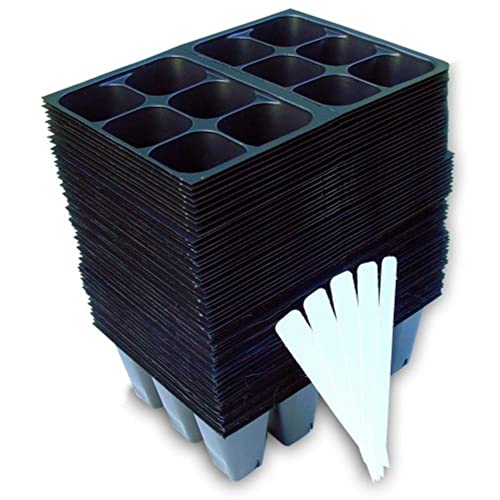
    Before planting your raspberry seeds, gather all the necessary supplies. You’ll need seed trays or pots with drainage holes, a quality potting mix rich in organic matter, a spray bottle for watering, and clear plastic wrap for creating a mini greenhouse effect. Ensure the soil is well-draining yet moisture-retentive to support healthy seed germination and growth.

    By carefully choosing premium raspberry seeds and gathering the essential supplies required for successful growth, you’ll be well on your way to cultivating thriving raspberry plants from seed.

    Planting Your Raspberry Seeds

    When it comes to planting your raspberry seeds, follow these simple steps and tips for successful growth.

    Step-by-Step Guide to Sowing Seeds

    To start growing raspberries from seed, begin by sowing the seeds following these steps:

    1. Seed Selection: Choose high-quality raspberry seeds from reputable suppliers or save seeds from heirloom varieties for better results.
    2. Supplies Needed: Gather the necessary supplies such as seed trays, quality potting mix, and materials to create a mini greenhouse effect.
    3. Sowing Process:
    • Fill the seed trays with moistened potting mix.
    • Place the raspberry seeds on top of the soil and cover them lightly with more potting mix.
    • Mist the surface gently to keep it moist but not waterlogged.
    1. Location and Light: Ensure that the planted seeds receive adequate sunlight or artificial light if indoors for optimal germination.
    2. Maintenance: Keep the soil consistently moist but not soggy, and monitor progress regularly for any signs of growth.
    MUST READ
    How Tall Do Raspberries Grow? Tips to Maximize Growth Potential

    Tips for Indoor vs. Outdoor Planting

    Whether you choose to plant your raspberry seeds indoors or outdoors, here are some helpful tips:

    • Indoor Planting:
    • Use grow lights or place near a sunny window to provide sufficient light.
    • Maintain a stable temperature around 70°F (21°C) for best results.
    • Consider using a heat mat under the seed trays during germination.
    • Outdoor Planting:
    • Select a well-draining spot in your garden with full sun exposure.
    • Protect young plants from extreme weather conditions like frost or excessive heat.

    By following these guidelines, you’ll be on your way to successfully planting and growing raspberries from seed in no time.

    Caring for Raspberry Seedlings

    Growing raspberry seedlings requires proper care to ensure healthy growth. Here are essential tips to help you nurture your raspberry plants from seed.

    Recommended Products

    200+ Seed Raspberry Fruit Seeds for Planting Outdoor-Non-GMO Heirloom Sweet Rare Red Raspberry Fruit Plant in Your Home Garden
    200+ Seed Raspberry Fruit Seeds for Planting Outdoor-Non-GMO Heirloom Sweet Rare Red Raspberry Fruit Plant in Your Home Garden

    Seed Raspberry Fruit Seeds for Planting Outdoor-Non-GMO Heirloom Sweet Rare Red Raspberry Fruit Plant in Your Home Garden

    VIEW LATEST PRICE

    As an affiliate, we earn on qualifying purchases.

    Set 4 Raspberry Plants Live 5 to 8 Inch Tall, Raspberry Bush Live Plants, Sweet Raspberries Fruit Seedlings (Mixed Raspberry)
    Set 4 Raspberry Plants Live 5 to 8 Inch Tall, Raspberry Bush Live Plants, Sweet Raspberries Fruit Seedlings (Mixed Raspberry)

    Set 4 Raspberry Plants Live 5 To 8 Inch Tall, Raspberry Bush Live Plants, Sweet Raspberries Fruit Seedlings

    VIEW LATEST PRICE

    As an affiliate, we earn on qualifying purchases.

    Live Berry Starter Plant Variety Pack – 1 Year Seedlings BlackBerry, Raspberry, Blueberry, Grape, & 5 Strawberry Roots, Edible Fruit Garden Kit, Outdoor Planting, Beginner Friendly Home Garden
    Live Berry Starter Plant Variety Pack – 1 Year Seedlings BlackBerry, Raspberry, Blueberry, Grape, & 5 Strawberry Roots, Edible Fruit Garden Kit, Outdoor Planting, Beginner Friendly Home Garden

    4 Seedlings and 5 Strawberry Rootstocks: Get One seedling of Raspberry, Blueberry, Grape, Blackberry and 5 Strawberry Rootstocks. If you want more fruit trees just buy more kits.

    VIEW LATEST PRICE

    As an affiliate, we earn on qualifying purchases.

    Watering and Feeding Requirements

    When it comes to watering raspberry seedlings, it’s crucial to keep the soil consistently moist but not waterlogged. You should water the plants regularly, especially during dry periods, ensuring that the soil doesn’t dry out completely. A good practice is to water deeply but infrequently to encourage deep root growth.

    MUST READ
    Planting Blackberries and Raspberries Together: Tips for a Thriving Berry Garden

    Feeding your raspberry seedlings is also important for their development. You can use a balanced fertilizer specifically designed for berry plants. Apply the fertilizer according to the manufacturer’s instructions, usually in early spring as new growth appears and again after fruiting.

    Controlling Pests and Diseases

    To protect your raspberry seedlings from pests and diseases, regular monitoring is key. Inspect your plants frequently for any signs of pest infestation or disease symptoms such as yellowing leaves or unusual spots.

    One effective way to control pests organically is by introducing beneficial insects like ladybugs or lacewings that feed on harmful pests. Additionally, practicing good garden hygiene by removing any dead or diseased plant material can help prevent the spread of diseases.

    By following these watering and feeding guidelines and staying vigilant against pests and diseases, you’ll be well-equipped to care for your raspberry seedlings and foster their healthy growth into productive raspberry bushes.

    Transplanting Raspberry Plants

    When and How to Transplant Seedlings

    Transplant your raspberry seedlings when they have developed a few sets of true leaves, typically around 3-4 weeks after germination. Ensure the seedlings are sturdy and healthy before transplanting them into individual containers or outdoor soil.

    Acclimating Plants to Outdoor Conditions

    Before moving your raspberry plants outdoors permanently, it’s crucial to acclimate them gradually to the outdoor environment. Start by placing the seedlings in a sheltered spot outside for a few hours each day, gradually increasing their exposure to sunlight and outdoor conditions over a week or two. This process helps the plants adjust to temperature changes, wind, and direct sunlight, reducing transplant shock and promoting successful growth once fully planted outdoors.

    Conclusion

    Growing raspberries from seed is a rewarding journey that requires patience, care, and attention to detail. By understanding the process of raspberry seed germination and following the step-by-step guide for planting seeds, you can set yourself up for success. Remember to provide ample sunlight, proper maintenance, and regular monitoring for pests and diseases to ensure healthy growth. Caring for raspberry seedlings involves consistent watering and feeding to support their development into thriving plants. When it comes time to transplant your raspberry bushes, do so thoughtfully by acclimating them gradually to their new environment. With dedication and these essential tips in mind, you’ll soon enjoy the fruits of your labor as your raspberry plants flourish. Happy growing!

    MUST READ
    How to Plant Everbearing Raspberries for Maximum Yield and Year-Round Enjoyment

    Frequently Asked Questions

    Q: What is the importance of understanding raspberry seed germination?

    A: Understanding raspberry seed germination is crucial for successfully sprouting seeds, ensuring proper care and conditions are met for healthy growth.

    Q: How long does it take for raspberry seeds to sprout?

    A: Raspberry seeds typically sprout within 3-6 weeks, but patience is key as some may take longer depending on conditions.

    Q: What supplies are needed for planting raspberry seeds?

    A: Supplies include high-quality seeds, seed trays, potting mix, and creating a mini greenhouse effect for optimal growth conditions.

    Q: How can I ensure successful growth of raspberry plants from seed?

    A: Ensure adequate sunlight, proper maintenance, and follow tips for both indoor and outdoor planting to support healthy plant development.

    Q: What is important in caring for raspberry seedlings?

    A: Proper watering and feeding are essential to support healthy growth of raspberry seedlings.

    Q: How can I protect my raspberry plants from pests and diseases?

    A: Monitor regularly for pests and diseases, use organic pest control methods, and maintain good garden hygiene practices to protect your plants.

    Q: When should I transplant my raspberry seedlings?

    A: Transplant seedlings when they have a few sets of true leaves. Acclimate them gradually to outdoor conditions to reduce transplant shock.

    Share. Facebook Twitter Pinterest LinkedIn Tumblr Email
    lucy smith
    Lucy Smith
    • Website

    Lucy Smith is a highly experienced horticulturist with a passion for fruit tree cultivation. She holds a degree in Horticulture from the University of California, Davis, and has worked in various roles in the industry. With over 10 years of experience, Lucy is dedicated to using eco-friendly methods for sustainable gardening practices.

    Related Posts

    Discovering Raspberry Growth Maps: Unveiling Ideal Cultivation Regions Worldwide

    September 7, 2024

    Companion Planting Blackberries and Raspberries: Tips for Successful Growth

    September 7, 2024

    When to Transplant Black Raspberries for Healthy Growth and Fruit Production

    September 7, 2024

    How to Grow Raspberries in Ohio: A Complete Guide for Successful Harvests

    September 7, 2024

    What Type of Soil Do Raspberries Need? Tips for Healthy Growth and Bountiful Harvests

    September 7, 2024

    Companion Planting Strawberries, Blueberries, and Raspberries: Tips for a Thriving Berry Garden

    September 7, 2024
    Leave A Reply Cancel Reply

    Affiliate Disclosure

    As an Amazon Associate I earn from qualifying purchases.

    Recommended Reading

    How to Make Guava Tree Bear Fruit: Essential Tips for Healthy Growth and Abundant Yields

    Where Can I Get Cucamelon Seeds? Tips for Sourcing and Growing Quality Seeds

    Can I Plant Fruit Trees in September: Essential Tips for Successful Growth and Harvests

    Why Do You Prune Fruit Trees for Healthier Growth and Better Fruit Quality

    Do Cherry Blossom Trees Have Fruit? Discover the Truth About Their Edibility and Benefits

    When and How to Prune Grapefruit Trees: Essential Tips for Health and Productivity

    How Long Till a Pear Tree Produces Fruit: Essential Tips for Faster Harvesting Success

    Can You Prune Fruit Trees in the Winter: Essential Tips for Healthy Growth and Abundant Harvests

    Papaya Trees in Columbus, OH: Ohio Valley Planting Secrets

    How to Wash Raspberries Without Getting Soggy: Expert Tips for Freshness

    Fruit Tree Hub

    Fruit Tree Hub is a website dedicated to providing you everything you need to grow fruit trees successfully at in your own yard.

    Contact us at: [email protected]

    - AFFILIATE DISCLOSURE: As an Amazon Associate I earn from qualifying purchases.

    Latest Posts

    Peach Trees in a Pot in New York City, NY: Rooftop Garden Tips

    Pear Trees in a Pot in San Francisco, CA: Fog and Soil Advice

    Olive Trees in Houston, TX: Managing Humidity and Drainage

    Best Pear Trees for California: Ultimate Variety Selection

    Growing Olive Trees in Oklahoma: High Heat Resilience

    Can Plum Trees Grow in Utah? High Altitude Soil Tips

    Papaya Trees in North Carolina: Piedmont Regional Advice

    Mulberry Trees in Nebraska (Wind Protection and Soil Secrets)

    Categories
    • Almond Trees
    • Apple Trees
    • Apricot Trees
    • Best Fruit Trees
    • Blackberry
    • Cantaloupe
    • Cherry Trees
    • Crochet Ideas
    • Crochet Ideas for Beginners
    • Cucamelon
    • Easy Crochet Ideas
    • Easy Knitting Projects
    • Fig Trees
    • Grapefruit Trees
    • Grapes
    • Guava Trees
    • Honeydew
    • Jujube Trees
    • Kiwi
    • Knitting For Beginners
    • Knitting Ideas
    • Knitting Inspiration
    • Lemon Trees
    • Lime Trees
    • Loquat Trees
    • Mango Trees
    • Mulberry Trees
    • Nectarine Trees
    • Olive Trees
    • Orange Trees
    • Papaya Trees
    • Peach Trees
    • Pear Trees
    • Persimmon Trees
    • Planting
    • Plum Trees
    • Pomegranate Trees
    • Quince Trees
    • Raspberry
    • Reviews
    • Small Crochet Ideas
    • Star Fruit Trees
    • Summer Crochet Ideas
    • Tamarind Trees
    • Tangerine Trees
    • Tips and Advice
    • Tools
    • Uncategorized
    • Walnut Trees
    © 2026 Fruit Tree Hub
    • Home
    • About Us
    • Contact
    • Privacy Policy
    • Terms and Conditions
    • Disclaimer
    • Editorial Policy
    • Affiliate Disclosure

    Type above and press Enter to search. Press Esc to cancel.