

Have you ever wondered how to properly prune your raspberry bushes as autumn approaches? Picture this: the leaves are starting to change colors, and your garden is in need of some seasonal maintenance. But where do you start? In this article, we’ll guide you through the simple yet essential steps of pruning raspberries in the fall.
Imagine having a bountiful harvest next year, with plump and juicy raspberries ready for picking. By learning the art of autumn pruning, you can ensure healthier plants and maximize fruit production. This article will not only show you how to trim your raspberry canes but also explain why it’s crucial for the overall well-being of your berry patch.
Key Takeaways
- Pruning raspberries in autumn is crucial for promoting plant health, increasing fruit yields, and ensuring a successful harvest next year.
- Understanding the pruning needs of different raspberry varieties (summer-bearing and everbearing) is essential for proper pruning techniques tailored to each type.
- Having the right tools such as pruning shears, loppers, gloves, and safety glasses is essential for effective raspberry bush pruning.
- Preparing your raspberry plants by inspecting them for disease, removing debris, maintaining a watering schedule, and timing the pruning correctly sets them up for optimal growth.
- Proper disposal of pruned canes through cutting into smaller pieces or composting helps prevent disease spread and aids in decomposition.
- Aftercare practices like mulching, regular inspection for pests/diseases, checking support systems’ condition, wise fertilization, and consistent watering are vital to maintain raspberry bushes’ vigor post-pruning.
Understanding Raspberry Pruning
When it comes to maintaining your raspberry bushes, understanding the basics of pruning is essential. Let’s delve into why pruning raspberries is crucial and explore the specific needs of different raspberry varieties.
Why Prune Raspberries?
Pruning raspberries in autumn helps promote plant health, increase fruit yields, and ensure a successful harvest next year. By removing old canes and maintaining a balance between new growth and established canes, you encourage better airflow and sunlight penetration within the bush. This practice also aids in disease prevention by eliminating potential hiding spots for pests and pathogens. Regular pruning allows the plant to focus its energy on producing quality fruits rather than sustaining unnecessary growth.
Different Raspberry Varieties and Their Pruning Needs
Raspberry varieties fall into two main categories: summer-bearing and everbearing (or fall-bearing). Summer-bearing raspberries produce fruit on second-year canes, while everbearing types bear fruit on both first- and second-year canes. Understanding these distinctions is crucial for proper pruning techniques:
- Summer-Bearing Raspberries:
- Pruning Time: Trim these varieties after they finish fruiting in summer or early autumn.
- Pruning Method: Remove only the canes that bore fruits that season, as they won’t fruit again.
- Everbearing Raspberries:
- Pruning Time: These require multiple prunings throughout the growing season.
- First Pruning: Cut all canes back in late winter or early spring to encourage new growth.
- Second Pruning: After their summer harvest, trim back the same canes where berries were picked.
By tailoring your pruning approach based on your raspberry variety, you set the stage for a productive growing season with healthy plants yielding delicious berries.
Remember, each raspberry bush is unique; observe their growth patterns closely to determine the best pruning strategy for optimal results come harvest time.
Tools and Preparation for Pruning Raspberries
To ensure successful autumn pruning of your raspberry bushes, you’ll need the right tools and proper preparation. Here’s what you need to get started:
Recommended Products
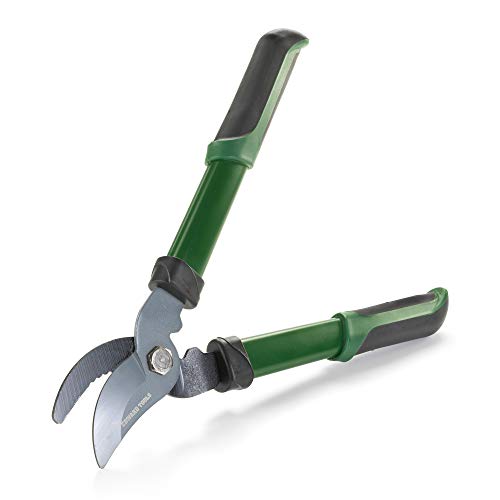

CLEAN CUTS FOR LIVE GROWTH: Bypass blade design is ideal for pruning delicate flower stems and green growth, helping reduce crushing and plant damage while cutting stems and small branches up to 5/8” in diameter

Adjustable and Durable Handle - Extendable Loppers: The lopping shears are adjustable from 16 inches to 24 inches, allowing you to handle tall branches easily. The iron arm is more sturdy and durable, and will not bend even when cutting large and thick branches.
Choosing the Right Tools
When it comes to pruning raspberries, having the correct tools is essential. Here are some tools you should have on hand:
- Pruning Shears: Sharp pruning shears are crucial for clean cuts without damaging the canes.
- Loppers: For thicker canes that pruning shears can’t handle, loppers will make the job easier.
- Gloves: Protect your hands with sturdy gloves to avoid scratches from thorns.
- Safety Glasses: It’s always a good idea to wear eye protection while working with sharp tools.
Having these tools ready before you start will make the pruning process smoother and more efficient.
Preparing Your Raspberry Plants for Pruning
Before you begin pruning your raspberry plants, there are a few steps you should take to prepare them:
- Inspect Your Plants: Check your raspberry bushes for any signs of disease or pest infestations before pruning.
- Remove Debris: Clear away any debris or dead leaves around the base of the plants to prevent pests and diseases.
- Watering Schedule: Ensure your raspberry bushes are adequately watered leading up to pruning to keep them healthy.
- Timing: Prune your raspberries when they are dormant in late winter or early spring for summer-bearing varieties, and after fruiting in autumn for everbearing types.
By following these preparation steps and having the right tools at hand, you’ll be ready to prune your raspberry bushes effectively, setting them up for a bountiful harvest in the coming year.
Step-by-Step Guide on How to Prune Raspberries in Autumn
To ensure your raspberry bushes thrive and yield a plentiful harvest next year, follow these step-by-step instructions for pruning them effectively in autumn.
Recommended Products

VERSATILE PRUNING AND CUTTING SET: 2-tool combo helps tackle both live green growth and deadwood, making it easy to prune branches, trim plants, and cut through tougher material

[Cut & Hold Pole Pruner for Tree Trimming] This long reach cut and hold pruner makes it easy to grip and remove branches, flowers, or fruit without dropping them. Perfect as a pole fruit picker for harvesting lemons, oranges, apples, or persimmons, and for trimming shrubs and bushes without climbing a ladder.

[Helpful Garden Tool] GARTOL brings to you a lightweight and extendable pruning tool to reach out to the least approachable arenas of your garden. You can conveniently get across other plants to remove the fastgrowing brambles and sting nettles without getting scratched or hurt. For gardening lovers, the telescopic pruner cutter head can can be rotated which resolves mobility issues and gives you the pleasure of trimming your garden without bending down or using a ladder to climb and cut them.
Step 1: Identify Which Canes to Prune
Start by identifying the canes that need pruning. Look for:
- Old Canes: These are typically darker and woody.
- Damaged or Diseased Canes: Any canes showing signs of disease or damage should be removed.
Step 2: Proper Pruning Techniques
Once you’ve identified the canes to prune, use the following techniques:
- Pruning Shears: Use sharp pruning shears to make clean cuts at a 45-degree angle just above a bud.
- Loppers: For thicker canes, loppers are ideal to ensure a clean cut without damaging the plant.
Step 3: Disposal of Old Canes
Properly dispose of the pruned canes by:
- Cutting Them into Smaller Pieces: This aids in decomposition and prevents the spread of diseases.
- Composting: Add the pruned canes to your compost pile if they are disease-free.
Aftercare and Maintenance
After effectively pruning your raspberry bushes in autumn, it’s crucial to provide proper aftercare and maintenance to ensure their continued health and productivity. Here are essential steps to follow:
Recommended Products

UNIQUE STYLING DESIGN: Fit perfectly with the plants in the pot, the branch shape fits better with the plant itself, allowing PERSZEN monstera plant support suitable for almost all types of potted plants without standing out. The green color of plant trellis indoor makes it easier to blend in with the plants, providing support for your plants without affecting the aesthetics

Perfect Support for Climbing Plants:Designed for climbing and vining plants, this tall plant trellis provides reliable support for indoor and outdoor potted plants, helping them grow upright and healthy.

High-quality material: Our tomato twist stake trellis is made of high-quality steel wire with coating on the surface, smooth to the touch, and not easy to rust after long-term use. Sturdy steel wire is not easy to break and bend, enough to provide stable support for plants
Protecting Raspberries Post-Pruning
Once you’ve completed the pruning process, it’s important to protect your raspberries from potential risks and ensure optimal growth. Here are some key practices to consider:
- Mulching: Apply a layer of mulch around the base of the plants to help retain moisture, regulate soil temperature, and suppress weed growth. This will also protect the roots during winter months.
- Inspect Regularly: Keep an eye on your raspberry bushes for any signs of pests or diseases post-pruning. Early detection can help prevent issues from spreading and impacting plant health.
- Support Systems: Check that any supporting structures, such as trellises or stakes, are secure and in good condition. Proper support will prevent damage to the canes and promote healthy growth.
Fertilization and Watering Tips
To maintain the vigor of your raspberry bushes after pruning, it’s essential to provide adequate nutrients and water. Follow these tips for effective fertilization and watering:
- Fertilize Wisely: Apply a balanced fertilizer in early spring before new growth appears to provide essential nutrients for healthy development. Avoid over-fertilizing, as this can lead to excessive foliage growth at the expense of fruit production.
- Watering Practices: Ensure your raspberry bushes receive sufficient water throughout the growing season, especially during dry periods. Consistent moisture is vital for fruit development and overall plant health.
By implementing these aftercare practices diligently, you’ll support the recovery of your raspberry bushes post-pruning and set the stage for a successful harvest in the upcoming year.
Conclusion
You now have the knowledge to prune your raspberry bushes in autumn successfully. By carefully balancing old and new canes, ensuring proper airflow and sunlight, and following through with post-pruning care like mulching, pest inspection, and support system checks, you’re setting yourself up for a fruitful harvest next year. Remember to keep an eye out for any signs of pests or diseases and maintain a consistent fertilization and watering routine. With these steps in place, your raspberry bushes will be healthy, robust, and ready to reward you with delicious berries when the time comes. Happy pruning!
Frequently Asked Questions
Why is autumn pruning essential for raspberry bushes?
Autumn pruning is crucial for raspberry bushes to maintain plant health, increase fruit production, and prepare for a successful harvest the following year. It helps in balancing old and new canes for airflow, sunlight penetration, and disease prevention.
How should I care for my raspberry bushes after autumn pruning?
After autumn pruning, it’s important to mulch around the plants, regularly inspect for pests and diseases, check support systems like trellises or stakes, and provide proper fertilization and watering. These steps will ensure your raspberry bushes thrive and yield a bountiful harvest in the coming season.
