

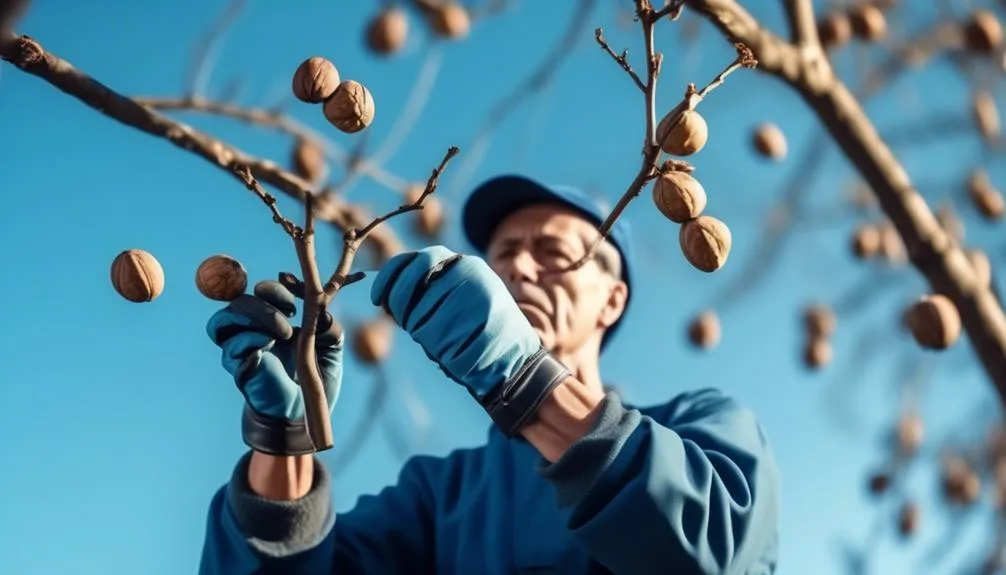
As the fall colors disappear and winter sets in, it's important to get your walnut trees ready for the cold.
Walnut trees need some extra care to stay healthy during the winter. From pruning to protecting them from pests and the cold, there are key steps you can take to help your walnut trees survive the winter.
But where do you start, and what are the best techniques to prepare your walnut trees for winter?
Key Takeaways
- Pruning and trimming walnut trees in preparation for winter is essential for enhancing tree appearance, preventing disease, and stimulating fruit production.
- Mulching and fertilizing walnut trees helps improve soil structure, aeration, water retention, and nutrient supply, while also protecting roots from extreme winter temperatures and suppressing weed growth.
- Implementing integrated pest management techniques, maintaining proper tree nutrition and watering practices, and regularly inspecting for pest infestation are crucial for protecting walnut trees against pests.
- Winter watering techniques, such as deep watering before the ground freezes and monitoring soil moisture levels, along with proper insulation against cold temperatures, are necessary to ensure the health and survival of walnut trees during winter.
Pruning and Trimming
Before pruning your walnut trees for winter, it's important to understand the best techniques to encourage healthy growth and prepare them for the colder months.
When it comes to branch structure, focus on removing any dead, diseased, or broken branches. This won't only enhance the overall appearance of the tree but also promote better air circulation, which is crucial for preventing disease.
Additionally, pay attention to the growth patterns of the branches. Prune for an open center to allow sunlight to penetrate, stimulating fruit production. Trim any competing or crossing branches to maintain a balanced and sturdy framework.
Recommended Products
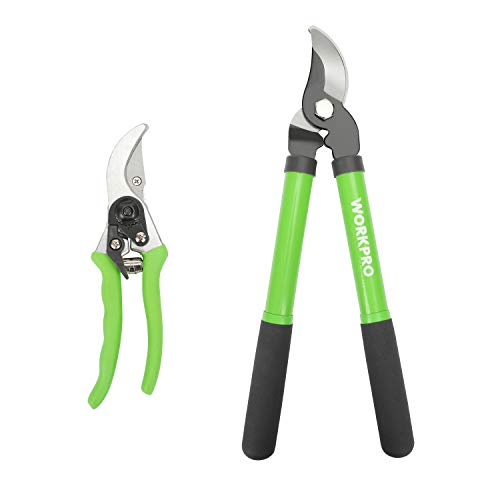
Ideal for pruning flowers and other garden plants
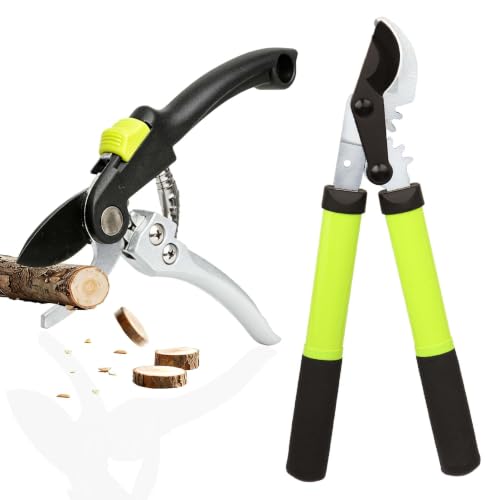
BRANCH CUTTER LONG LASTING SHARP EVEN THROUGH HEAVY USE: gear branch cutter alloy steel blade with teflon coated,low-friction blade coating for clean cut with less effort,which will long lasting sharp even through heavy use. Tree clippers is ideal for pruning flowers, branches and other plants, chop through thick branches effortlessly

Heat-Treated Serrated Saw Blade: 8" saw blade designed for efficient cutting of branches and tough materials, ensuring sharpness and durability.
Mulching and Fertilizing
To further nurture the health and growth of your walnut trees as you prepare for winter, it's essential to understand the significance of mulching and fertilizing in sustaining their vitality.
Mulching and fertilizing provide essential nutrients to the soil, promoting strong root development and overall tree health. Here are four important points to consider:
- Soil amendment: Mulching helps improve soil structure, aeration, and water retention, creating a healthy environment for walnut tree roots.
- Nutrient absorption: Fertilizing supplies vital nutrients such as nitrogen, phosphorus, and potassium, which are essential for the tree's growth and fruit production.
- Winter protection: A layer of mulch insulates the soil, protecting the roots from extreme temperatures during winter.
- Weed suppression: Mulch helps to suppress weed growth, reducing competition for nutrients and moisture.
Recommended Products
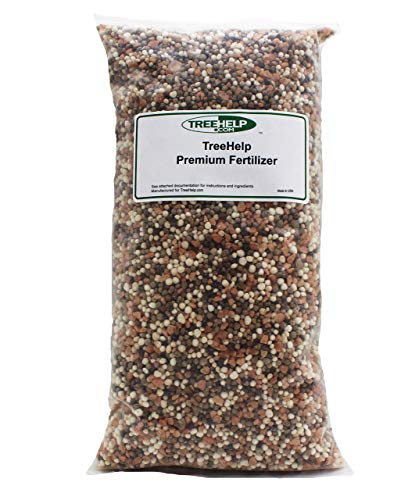
Approximately 3 Pounds

Contains natural ingredients to feed microbes in the soil
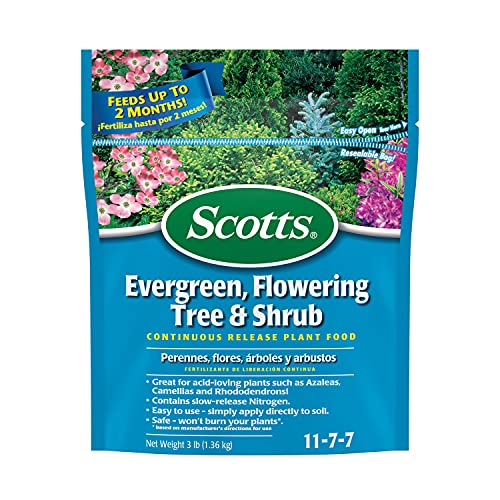
Excellent for evergreens, dogwoods, hydrangeas, magnolias and many other acid-loving trees and shrubs
Protecting Against Pests
Consider implementing a proactive pest management plan to safeguard your walnut trees against potential threats and ensure their continued health and productivity.
Integrated pest management (IPM) is a holistic approach that combines biological, cultural, and chemical methods to control pests effectively. Encourage the presence of natural predators such as ladybugs, lacewings, and predatory mites, which can help keep pest populations in check. Additionally, maintaining proper tree nutrition and watering practices can strengthen the trees' natural defenses against pests.
Regularly inspect your walnut trees for signs of pest infestation, such as leaf damage or unusual markings on the bark, and take appropriate action if needed.
Winter Watering Techniques
To ensure your walnut trees remain healthy through the winter, it's essential to adjust your watering techniques to accommodate their changing needs. Proper winter watering is crucial for maintaining soil moisture and ensuring adequate tree hydration during the colder months. Here are some effective winter watering techniques:
- Deep Watering: Water the trees deeply before the ground freezes to ensure that the roots have access to moisture throughout the winter.
- Monitor Soil Moisture: Check the soil moisture regularly to ensure it doesn't dry out completely, especially during dry and mild winter days.
- Use Mulch: Apply a layer of mulch around the base of the tree to help retain soil moisture and protect the roots from extreme temperature fluctuations.
- Avoid Overwatering: While it's important to maintain soil moisture, be cautious not to overwater, as this can lead to root rot in the winter.
Insulating Against Cold
Make sure you insulate your walnut trees properly to protect them from the cold winter temperatures and prevent potential damage to the tree.
Tree wrapping is a key method to protect the trunk from extreme cold and frost cracks. Wrap the lower trunk with commercial tree wrap or burlap, starting from the base and working your way up. This will shield the tree from temperature fluctuations and sunscald, reducing the risk of injury.
Additionally, consider soil amendments to insulate the roots. Apply a thick layer of mulch around the base of the tree, extending out to the drip line. This will help maintain a more consistent soil temperature and protect the roots from freezing.
Conclusion
By following these simple steps to prepare your walnut trees for winter, you can help ensure their health and strength during the colder months.
From pruning and trimming to mulching, fertilizing, and protecting against pests, these actions will give your walnut trees the best chance of thriving come springtime.
Remember to also consider winter watering techniques and insulating against cold to further support their well-being.
With these thoughtful measures, you can look forward to enjoying beautiful and fruitful walnut trees year after year.
