

Have you ever thought about growing your own fruit tree from seed? It’s a rewarding project that lets you enjoy fresh fruit right from your backyard. Plus, it’s a fun way to connect with nature and learn about gardening.
Key Takeaways
- Understanding Fruit Trees: Familiarize yourself with different types such as deciduous, evergreen, dwarf, and tropical fruit trees to select the right variety for your climate and space.
- Cost and Variety Benefits: Growing fruit trees from seed is often more cost-effective than purchasing mature trees, offering unique varietals that may not be available in nurseries.
- Preparation is Key: Ensure proper preparation by selecting quality seeds suited to your environment and gathering essential tools like seed trays, soil, and labels to facilitate planting.
- Optimal Planting Techniques: Follow careful steps when planting seeds, including appropriate depth, spacing, and moisture management to promote successful germination.
- Seedling Care: Consistently monitor and care for seedlings through proper watering, nutrition, and pest management to establish a strong foundation for growth.
- Transplanting: Time the transplanting process effectively and ensure the new location has suitable conditions for strong root establishment, paving the way for a fruitful tree.
Understanding Fruit Trees
Fruit trees provide delicious produce right from your backyard. Knowing their types and the benefits of growing them from seed shapes your gardening journey.
Types of Fruit Trees
- Deciduous Trees: These trees lose their leaves in winter. Common varieties include apple, peach, and cherry. They thrive in temperate climates, requiring chill hours for fruiting.
- Evergreen Trees: These trees retain their leaves year-round. Examples are citrus trees, like lemons and oranges. They prefer warmer climates and can produce fruit all year.
- Dwarf Trees: These smaller varieties grow well in limited spaces. Dwarf apple and pear trees are popular choices. They adapt well to container gardening, making them ideal for patios.
- Tropical Trees: These trees require warm temperatures year-round. Banana and mango trees fit this category. They flourish in humid, tropical climates.
- Cost-Effective: Starting from seed is often less expensive than buying mature trees. Your initial investment can yield several plants.
- Variety Selection: Growing from seed lets you choose unique or heirloom varieties. You access a wider selection, which may not be available at local nurseries.
- Personal Satisfaction: There’s immense joy in nurturing a seed into a fruit-producing tree. This process connects you with nature and enriches your gardening skills.
- Genetic Diversity: Seed-grown trees can show genetic variation. This diversity may result in a hardier plant, better suited to your local climate conditions.
- Educational Experience: Cultivating a tree from seed teaches valuable lessons about plant biology and growth cycles. It fosters a deeper understanding of gardening.
Preparing for Planting
Preparing for planting a fruit tree from seed involves selecting the right seeds and gathering necessary tools and materials.
Recommended Products

Product Quantity: 180+ premium bonsai fruit seeds across 5 varieties; Individual packs contain 40+ apple, 40+ lemon, 40+ orange, 20+ blueberry, and 40+ cherry seeds; Perfect for starting a diverse miniature orchard

🌱 4 Unique Fruit Bonsai Varieties: Includes 40 total seeds: 10 Papaya, 10 Peach, 10 Cherry, and 10 Banana seeds. A fun and unique collection for growing miniature fruit trees and experimenting with bonsai growing techniques.

Diverse Seed Collection: This comprehensive assortment includes 430 premium non-GMO fruit seeds featuring 100 grape seeds, 100 apple seeds, 100 kiwi seeds, 10 sugar apple seeds, 100 mulberry seeds, and 20 cherry seeds, providing you with an abundant variety to cultivate your own home orchard
Selecting the Right Seeds
Selecting quality seeds ensures a healthy tree. Choose seeds from a reputable source, like local nurseries or trusted online retailers. Opt for seeds that suit your climate and soil conditions. For example, choose apple seeds for temperate zones and citrus seeds for warmer regions. Consider heirloom varieties for unique flavors and characteristics. Ensure the seeds are viable by conducting a float test; viable seeds sink in water while non-viable seeds float.
Necessary Tools and Materials
Gathering essential tools and materials streamlines the planting process. Here’s a quick list of what you’ll need:
- Seed trays or pots: Use these for starting seeds indoors. Opt for pots with drainage holes.
- Seed starting mix: This lightweight soil provides excellent drainage and allows roots to grow strong.
- Watering can or spray bottle: These help maintain moisture without overwatering.
- Labels: Mark your pots with plant names and planting dates for easy identification.
- Plastic wrap or domes: Cover seed trays to retain moisture until germination occurs.
- Light source: Ensure adequate light with grow lights or a sunny window.
Gather these items before you plant to create the best environment for your seeds to thrive.
Planting the Seeds
Planting fruit tree seeds requires careful steps to ensure successful germination. Following these guidelines helps you create an optimal growing environment for your seeds.
Recommended Products
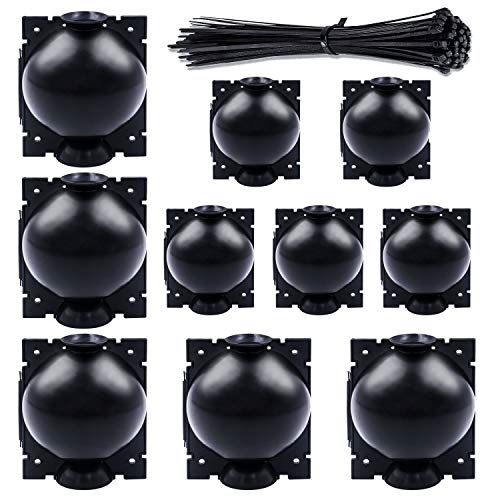
Tree Root Growing Box: The cutting globe design helps your cuttings get stronger roots and reproduce more mature trees faster than the normal spread method.

4 kinds of the most popular fruits, individually packaged, 50pcs Lemon seeds 50pcs Cherry seeds 50pcs Orange seeds 50pcs Apple seeds Fresh seeds, all fruit seeds are packed in tear and moisture resistant zipper sealed bags for your long term storage.

1. Peel the fruit directly and remove the seeds.
Steps for Planting
- Prepare the Containers: Use seed trays or pots with drainage holes. Fill them with a seed starting mix, which retains moisture without becoming waterlogged.
- Sow the Seeds: Plant each seed at a depth of about twice its diameter. Space the seeds to allow for growth; generally, leave at least 2 to 4 inches between each seed.
- Water Gently: Moisten the soil using a spray bottle or gentle watering can. The soil should be damp, but avoid over-saturating it.
- Label the Seeds: Mark the containers with labels indicating the seed type and planting date. This helps keep track of your progress.
- Cover the Containers: Use plastic covers or plastic wrap to maintain humidity while the seeds germinate. Ensure there’s good air circulation to prevent mold.
Ideal Conditions for Germination
Seeds thrive under specific conditions. Providing the right environment maximizes germination rates.
- Temperature: Most fruit seeds germinate best between 65°F to 75°F. Use a heat mat if your space is cooler.
- Light: Once seeds sprout, they require plenty of light. Place them under grow lights or in a sunny window for 12 to 16 hours a day.
- Moisture: Keep the soil consistently moist, but not soggy. Check daily, and water lightly as needed.
- Air Circulation: Ventilate the seedlings by periodically removing the plastic cover. This helps prevent dampness and encourages strong growth.
By following these steps and creating the ideal conditions, you enhance the chances of successfully growing your fruit tree from seed.
Caring for Your Seedlings
Caring for your seedlings is crucial for their healthy growth. Providing the right amount of water, nutrition, and protection can set the foundation for a thriving fruit tree.
Watering and Nutrition
Water your seedlings consistently but avoid overwatering. Moisture helps seeds germinate and develop roots. Aim for soil that’s damp but not soggy. When seedlings begin to grow, provide balanced, diluted liquid fertilizer every two weeks. This supports their nutrient needs for robust growth.
Adjust watering frequency based on the environment. If it’s warmer or drier, you might need to water more frequently. Conversely, during cooler conditions, reduce watering.
Pest and Disease Management
Monitor your seedlings regularly for signs of pests or diseases. Common pests include aphids and spider mites, which can damage young plants. If you notice any issues, treat them promptly. Use insecticidal soap or neem oil as natural remedies.
Ensure proper airflow around your seedlings to reduce disease risk. Overcrowding can lead to damp conditions, fostering fungal growth. Keep your workspace clean and discard any dead or affected plants to prevent the spread of disease.
Following these care guidelines helps your seedlings grow strong, setting the stage for a fruitful tree.
Transplanting Your Young Tree
Transplanting your young fruit tree is a crucial step to ensure its healthy growth. Proper timing and method make all the difference in how well your tree adapts.
Timing for Transplanting
Transplant your young tree when it has developed a strong root system. Generally, this occurs when the seedlings are 4 to 6 inches tall and have at least two sets of true leaves. Early spring or early fall provides ideal conditions, as temperatures are mild, and there’s ample moisture in the soil.
- Prepare the New Location: Select a spot with full sunlight and well-draining soil. Dig a hole twice as wide as the root ball but just as deep.
- Moisten the Soil: Water the existing root ball a few hours before transplanting. This helps reduce transplant shock and keeps the roots moist.
- Remove the Seedling Gently: Carefully remove the seedling from its container. Avoid damaging the roots. If it’s in a biodegradable pot, you can plant it directly into the ground.
- Place in the Hole: Position the seedling in the center of the hole, ensuring that the top of the root ball is level with the surrounding ground.
- Backfill with Soil: Fill the hole with soil, packing it gently around the roots. Avoid air pockets to ensure good root contact with the soil.
- Water Thoroughly: Water the transplanted tree generously. This helps settle the soil and provide initial moisture.
- Apply Mulch: Add a layer of mulch around the base. This conserves moisture and suppresses weeds.
- Monitor Growth: Keep an eye on your tree for the first few weeks. Ensure it receives adequate water as it establishes itself in its new location.
By following these steps, your young fruit tree can thrive in its new home, setting the stage for fruitful growth in the future.
Conclusion
Growing a fruit tree from seed is a journey filled with excitement and discovery. You’ll not only enjoy the fruits of your labor but also deepen your connection with nature. Each step you take from selecting the right seeds to nurturing your seedlings brings you closer to a rewarding harvest.
As you watch your tree flourish, you’ll gain invaluable insights into gardening and plant care. Remember to be patient and attentive as your tree grows. With a little love and care, you’ll soon be enjoying fresh fruit right from your backyard, creating memories and delicious treats for years to come. Happy planting!
Frequently Asked Questions
What are the benefits of growing fruit trees from seed?
Growing fruit trees from seed offers several advantages. It is cost-effective, allowing you to select unique varieties that may not be available at local nurseries. Additionally, nurturing a plant from seed enhances personal satisfaction and connection with nature. You’ll also gain valuable knowledge about plant biology and growth cycles, fostering a greater appreciation for gardening.
What types of fruit trees can I grow from seed?
You can grow various types of fruit trees from seed, including deciduous trees like apples and peaches, evergreen trees such as citrus, dwarf varieties for small spaces, and tropical trees like bananas and mangoes. This diversity allows for a wide range of flavors and growth experiences.
How do I prepare seeds for planting?
To prepare seeds for planting, select quality seeds from reputable sources that match your climate and soil conditions. Conduct a float test to check their viability. Gather necessary tools like seed trays, seed starting mix, watering tools, and a light source to provide optimal growing conditions.
What are the steps for planting fruit tree seeds?
Plant seeds in containers with drainage holes, sowing them at the correct depth and spacing. Gently water the soil, label the containers, and cover them to maintain humidity. Ensure conditions are ideal for germination by providing appropriate temperature, light, moisture, and airflow.
How should I care for seedlings after planting?
Care for seedlings by consistently watering them without overwatering. Apply a balanced, diluted liquid fertilizer every two weeks to promote healthy growth. Keep an eye out for pests and diseases, addressing issues with natural remedies like insecticidal soap or neem oil as necessary.
When is the best time to transplant young fruit trees?
The best time to transplant young fruit trees is when seedlings are 4 to 6 inches tall with at least two sets of true leaves, typically in early spring or early fall. This timing helps ensure a smooth transition to their new environment.
What do I need to do when transplanting fruit trees?
To transplant fruit trees, prepare the new location by moistening the soil. Gently remove the seedling, place it in the hole, backfill with soil, water thoroughly, and apply mulch to retain moisture. Regularly monitor their growth after transplanting to ensure health and vitality.
