

Ever wondered if you could grow your own avocados right at home? Picture this: you’ve nurtured a small indoor avocado tree, watering it and watching it thrive. But now you’re asking the big question—will it actually produce fruit?
Growing an avocado tree indoors can be a rewarding experience, but many people are left wondering if their efforts will pay off. This article will guide you through the essentials of indoor avocado cultivation, helping you understand what it takes to get those delicious fruits. You’ll discover tips and tricks to increase your chances of a fruitful harvest, so you can enjoy the satisfaction of homegrown avocados.
Key Takeaways
- Indoor Avocado Viability: Indoor avocado trees can produce fruit if properly cared for and provided with the right conditions.
- Variety Selection: Choose suitable avocado varieties like Wurtz, Little Cado, or Hass that adapt well to indoor environments for better fruit production.
- Optimal Growing Conditions: Ensure your tree receives at least 12 hours of bright, indirect light daily, maintains temperatures between 60°F and 85°F, and is planted in well-draining soil.
- Pollination Importance: Successful fruit set requires cross-pollination; consider having at least one A-type and one B-type variety, or hand pollinate if you only have one tree.
- Regular Care Practices: Maintain a consistent watering routine, fertilize during the growing season, and perform regular pruning to encourage healthy growth and fruiting.
- Address Challenges Promptly: Monitor for pests and environmental stressors, and apply appropriate solutions like insecticidal soap or humidity control to enhance your tree’s health and fruiting potential.
Understanding Indoor Avocado Trees
Indoor avocado trees can thrive and may produce fruit with the right care and conditions. Understanding the key factors that affect their growth is essential for success.
Choosing the Right Variety
Select avocado varieties suited for indoor growth. Wurtz and Little Cado are excellent choices. They’re smaller than standard avocados and adapt well to container life. Hass is another popular option but requires more space and light. Researching each variety helps you pick one that aligns with your growing conditions.
Ideal Growing Conditions
Providing optimal conditions is crucial for fruit production. Here are a few key aspects to consider:
- Light: Indoor avocado trees need at least 12 hours of bright, indirect sunlight daily. Consider using grow lights during winter months.
- Temperature: These trees prefer temperatures between 60°F and 85°F. Avoid exposing them to drafts or cold windows.
- Soil: Use well-draining potting soil. A mix designed for cacti works well, as it allows for adequate drainage and aeration.
- Water: Water the tree thoroughly, then let the top inch of soil dry out before watering again. Overwatering can lead to root rot.
- Humidity: Avocado trees thrive in higher humidity. Misting the leaves or placing a humidity tray nearby can boost moisture levels.
Adjusting these conditions as needed can significantly improve your chances of harvesting fruit from your indoor avocado tree.
Factors Affecting Fruit Production
Indoor avocado trees can yield fruit, but several factors influence their ability to do so. Understanding these factors is crucial for successful indoor cultivation.
Recommended Products

72 LED Full Spectrum, 380nm-800nm – Built with 72 super bright LEDs covering the full 380nm-800nm spectrum: 36 white 5000K, 28 warm white 3000K, 6 red and 2 blue. This grow light for indoor plants delivers the wavelengths your plants need year-round, supporting every stage from seedling to bloom — even in rooms with little natural sunlight.

Multi-Purpose Stand Grow Lamp: Compared to traditional plant light, our newest grow light feature a detachable tripod design, which you can insert it directly into a plant pot by our pointed nut or place it on the floor or desktop with tripod stand, you can choose the appropriate irradiation method according to your own preferences.

【Newest Grow Light】The appearance of the lamp head adopts patentable mold technology and incorporates exclusive design concepts. The back plate has a unique pattern and premium texture which is not easily scratched. The holes in the back are specially reserved for heat dissipation space, saying goodbye to the heating problem during the use of the lamp.
Pollination Requirements
Pollination plays a significant role in fruit production. Indoor avocado trees generally require cross-pollination to set fruit effectively. Consider these points:
- Varieties: Choose at least one A-type and one B-type avocado tree. A-type trees, like Lila, flower in the morning and B-type trees, like Bacon, flower in the afternoon. This overlap boosts chances of successful pollination.
- Hand Pollination: If you keep only one tree, hand pollinate using a soft brush to transfer pollen from flower to flower. This method increases the likelihood of fruit set.
- Indoor Pollinators: If timing allows, introduce pollinators like bees. However, their presence indoors can be tricky.
Light and Temperature Needs
Light and temperature significantly impact your avocado tree’s ability to produce fruit. Here’s what to consider:
- Lighting: Provide at least 12-14 hours of bright, indirect light daily. Use grow lights if natural light is insufficient. Position the tree near a south-facing window for optimal sunlight exposure.
- Temperature: Maintain temperatures between 60°F and 75°F. Avoid extreme temperature fluctuations. Protect the tree from drafts and cold air.
- Seasonal Changes: Adjust lighting and temperature based on the season. During winter, consider extending light hours to compensate for shorter days.
By optimizing these factors, your indoor avocado tree’s chances of producing fruit will improve greatly.
Care Tips for Indoor Avocado Trees
Growing indoor avocado trees requires attention to specific care needs to encourage fruit production.
Recommended Products

INDOOR HOUSEPLANT FOOD: Miracle-Gro Indoor Plant Food All Plants contains nutrients for healthier, stronger plants (vs unfed when used as directed)

FOR USE ON: Use Citrus-tone organic fertilizer for all citrus trees, including lemon, lime, orange, Meyer Lemon Trees as well as for avocado & nut trees
Watering and Fertilization
Watering your avocado tree correctly is crucial. Aim for soil that remains moist but not soggy. Over-watering can lead to root rot. Check the top inch of soil; if it’s dry, it’s time to water. Use tepid water and ensure excess drains out from the bottom of the pot.
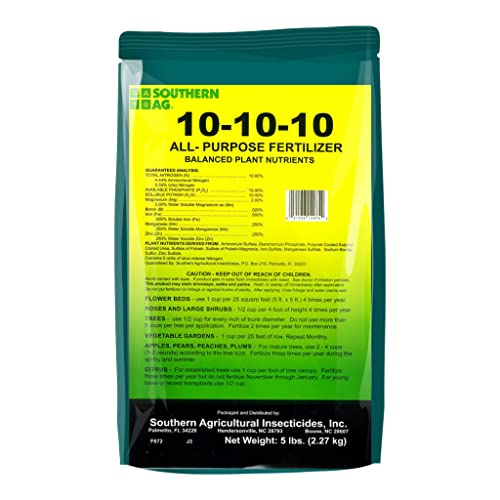
Fertilize your avocado tree during the growing season (spring and summer) with a balanced fertilizer every four to six weeks. Look for a fertilizer labeled for fruit trees or one with a ratio of 10-10-10. In the fall and winter, reduce fertilization as the tree goes dormant.
Pruning and Maintenance
Regular pruning keeps your avocado tree healthy and encourages branching. Prune in early spring before new growth starts. Remove any dead or damaged branches. Aim for a balanced shape by cutting back long or leggy growth.
Maintenance includes repotting every couple of years to refresh the soil and give roots more space. Choose a pot that’s one size larger, making sure it has drainage holes. Monitor for pests like spider mites and aphids, treating infestations promptly with insecticidal soap.
By following these care tips, you can create an environment conducive to producing fruit from your indoor avocado tree.
Common Challenges and Solutions
Indoor avocado trees face several challenges that can hinder fruit production. Understanding these problems along with effective solutions enhances your chances of enjoying homegrown avocados.
Recommended Products

Plant-Based Pest Protection: Helps protect plants from common pests including gnats, spider mites, aphids, fungus issues, and other plant-damaging insects using plant-based ingredients.

3-IN-1 GARDEN CARE SPRAY - Earth’s Ally 3-in-1 Plant Spray is a ready-to-use botanical oil spray designed for indoor and outdoor plant care. The houseplant pest spray effectively kills and controls soft-bodied insects and common plant diseases with a synergistic blend of essential oils.

🥑 AVOCADO ALLURE: Tailored to the unique needs of indoor avocado trees, our 3-1-2 Liquid Fertilizer Concentrate is your key to achieving the perfect balance of nitrogen, phosphorus, and potassium. This ensures your avocado tree thrives, bearing lush foliage and the promise of creamy, homegrown avocados.
Pests and Diseases
Pests and diseases can seriously affect the health of your indoor avocado tree. Common pests include spider mites, aphids, and mealybugs. These pests suck sap, weakening the tree and reducing its fruit potential.
Solution: Regularly inspect your tree for signs of infestation. Use insecticidal soap or neem oil to manage pests safely. For diseases like root rot, ensure proper drainage to prevent overwatering. A well-draining soil mix aids in fostering a healthy root system.
Environmental Stressors
Environmental stressors play a crucial role in your avocado tree’s ability to thrive. Low light levels, extreme temperatures, and fluctuating humidity can negatively impact growth and fruiting.
Solution: Position your tree in a location with at least 12-14 hours of bright, indirect light daily. Use a grow light if natural light is insufficient. Maintain indoor temperatures between 60°F and 75°F, avoiding drafts and heat sources. Additionally, consider using a humidifier or a pebble tray filled with water to boost humidity around your tree, especially during dry months.
By addressing these common challenges through specific solutions, you can create a nurturing environment for your indoor avocado tree, significantly increasing its chances of producing fruit.
Conclusion
Growing an indoor avocado tree can be a rewarding experience if you’re willing to put in the effort. With the right variety and care techniques you can create an environment that encourages fruit production.
Remember to provide adequate light and maintain optimal temperatures while keeping an eye on humidity levels. Pollination is key so consider having more than one tree to boost your chances.
By following the tips shared you can enjoy the thrill of watching your avocado tree thrive and hopefully yield delicious fruit right in your home. Happy growing!
Frequently Asked Questions
Can you grow avocados indoors?
Yes, you can grow avocados indoors with the right care and conditions, including proper light, temperature, and humidity.
What varieties of avocado are best for indoor growing?
Smaller varieties like Wurtz and Little Cado are ideal for indoor cultivation, while the Hass variety requires more space.
How much light does an indoor avocado tree need?
Indoor avocado trees need at least 12-14 hours of bright, indirect light daily to thrive and produce fruit.
What are the ideal temperatures for indoor avocado trees?
Maintain indoor avocado trees at temperatures between 60°F and 75°F for optimal growth and fruit production.
How should I water my indoor avocado tree?
Water to keep the soil moist but not soggy, using tepid water and ensuring excess drains out to prevent root rot.
Do indoor avocado trees produce fruit?
Yes, with the right care, including cross-pollination and optimal conditions, indoor avocado trees can produce fruit.
How can I encourage my indoor avocado tree to produce fruit?
Provide adequate care, such as proper watering, fertilization, and maintaining humidity levels, to increase your chances of fruit production.
What pests affect indoor avocado trees?
Common pests include spider mites, aphids, and mealybugs. Regular inspections and treatments, like insecticidal soap, can help manage infestations.
How often should I repot my indoor avocado tree?
Repot your indoor avocado tree every couple of years to refresh the soil and support healthy growth.
What should I do if my avocado tree shows signs of disease?
If you notice issues like root rot, ensure proper drainage and review your care routine to address the environmental conditions affecting your tree.
