

Growing Almond Trees in Denver, CO is achievable despite the high altitude and unique climate conditions. Selecting the right varieties and implementing proper cultivation techniques can lead to successful yields. This guide provides essential information on growing almonds effectively in this region.
Best Almond Varieties for Denver’s Climate
Selecting the right almond varieties is crucial for successful cultivation in Denver’s unique high-altitude climate. With its distinct temperature fluctuations and growing conditions, certain almond types thrive better than others. This section explores the best almond varieties suited for Denver, ensuring that both novice and experienced growers can maximize their harvest potential.
Choosing the correct almond variety is crucial for success in Denver’s climate. The high altitude and temperature fluctuations require varieties that can withstand these conditions. Recommended varieties include:
Carmel: Known for its high yield and adaptability.
Tuono: A hardy variety that thrives in cooler climates.
Nonpareil: Offers a classic almond flavor and is widely cultivated.
These varieties are better suited for the region’s growing conditions, ensuring successful fruiting and nut production.
Almond Soil Testing for High Altitude
Growing almond trees in Denver’s high altitude requires careful attention to soil conditions. Conducting thorough soil testing is essential to ensure that the unique environmental factors support healthy growth and optimal yields. Understanding the specific nutrient needs and pH levels will help cultivate robust almond trees in this challenging climate.
Almond trees prefer well-drained soil with a pH level between 6.0 and 7.5. Testing the soil before planting is essential to determine its suitability. Key soil characteristics include:
Drainage: Almonds do not tolerate waterlogged conditions.
Nutrient Content: Ensure the soil is rich in organic matter.
Compaction: Loose soil promotes root growth.
Consider amending the soil with compost or aged manure to improve fertility and structure.
| Soil Type | Drainage | pH Level | Nutrient Content |
|---|---|---|---|
| Sandy Loam | Excellent | 6.0-7.5 | High |
| Clay | Poor | 6.5-7.0 | Moderate |
| Silty Loam | Good | 6.0-7.5 | High |
Recommended Products

Quick, at home results for Soil pH, Nitrogen, Phosphorous and Potash Innovative and inexpensive soil test kit features an easy-to-use capsule system and patented color comparators

Comprehensive Soil Analysis: Liquid soil test kits offer a comprehensive analysis of essential soil parameters, including pH, ammonia, nitrogen, phosphorus, and potassium. Having all these measurements in one kit provides a holistic understanding of the soil's fertility and health.

KNOW BEFORE YOU GROW | Grow the healthiest, sustainable lawn and garden with the most accurate and easy to use professional soil test kit on the market
Almond Tree Planting Preparation Steps
Successfully growing almond trees in Denver’s high altitude requires careful preparation to ensure optimal conditions for growth. Understanding the specific needs of almond trees, such as soil quality, climate considerations, and proper planting techniques, is essential for fostering a thriving orchard. The following steps will guide you through the necessary preparations for planting almond trees in this unique environment.
Preparation is key to successful almond cultivation. Follow these steps for effective planting:
Test Soil: Conduct a soil test to check pH and nutrient levels.
Choose Location: Select a sunny area with good air circulation.
Dig Holes: Prepare holes that are twice the width of the root ball.
Plant Trees: Place the tree in the hole and backfill with soil.
Proper planting techniques will ensure strong root establishment and growth.
Irrigation Techniques for Almond Trees
Irrigation is crucial for the successful cultivation of almond trees, especially in the unique climate of Denver, CO. Given the region’s high altitude and variable weather conditions, understanding effective irrigation techniques can significantly enhance tree health and nut production. This section explores the most efficient methods to ensure your almond trees receive the right amount of water.
Watering is vital for almond trees, especially during the first few years. Implement these strategies:
Drip Irrigation: This method conserves water and delivers moisture directly to the roots.
Mulching: Apply organic mulch to retain soil moisture and suppress weeds.
Watering Schedule: Water deeply but infrequently to encourage deep root growth.
Monitor soil moisture regularly to adjust watering as needed.
Recommended Products
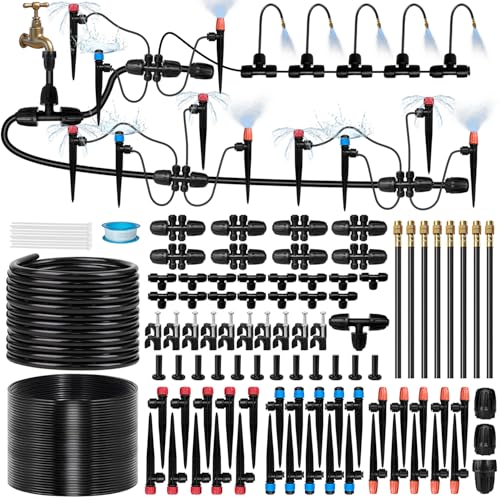
【Upgraded Tube Design & Water Saving】 Our garden watering system is upgraded to 1/2” diameter to support high water pressure. The 1/2” tee connector allows seamless splitting into 2 independent zones for customized watering schedules. By delivering moisture directly to root zones, this drip Irrigation system significantly reduces evaporation and runoff—saving more water compared to conventional sprinklers while eliminating the need for manual watering.

🍀【Extra-Long 50FT 5/16” Mainline Tubing】 With 50 feet of premium 5/16” main tubing, you have more flexibility to build a central watering path across larger garden layouts. The enhanced flow capacity supports multiple emitters with consistent water pressure throughout your irrigation zones.

【Universal 1/4 Inch Size Set】- Designed for US market compatibility,MIXC new drip irrigation system set uses 1/4 inch (6mm) components to address potential mismatches with standard hoses, unlike some 5/16 inch systems. It includes 2-way connectors, tubing, and 3-way connectors to help users set up DIY garden irrigation more conveniently.
Pest and Disease Control for Almond Trees
Managing pests and diseases is crucial for the successful cultivation of almond trees in Denver’s unique high-altitude environment. Understanding the specific challenges posed by local pests and diseases will help growers implement effective control measures, ensuring healthy trees and a bountiful harvest. This section explores the best practices for maintaining almond tree health in this region.
Pest and disease management is essential for healthy almond trees. Common issues include:
Spider Mites: These pests can cause leaf damage. Use insecticidal soap for control.
Brown Rot: A fungal disease affecting blossoms. Ensure proper air circulation and remove infected fruit.
Regular monitoring and early intervention can prevent significant damage.
Recommended Products
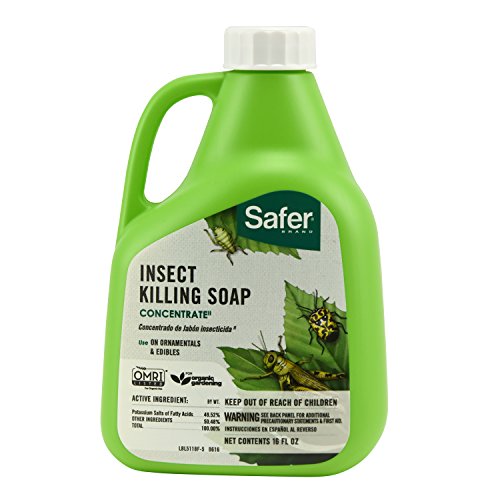
GENTLE ON MOST PLANTS - This aphid spray is ideal for use on flowers, herbs, vegetables, houseplants, lawn, tree, shrubs, and more

CROP, GARDEN & HOUSEPLANT INSECT CONTROL. Trifecta Crop Control plant based formula targets spider mites, aphids, whiteflies, fungus gnats and other soft bodied pests on indoor and outdoor plants. Safe for edible crops and biodegradable.
Protect Plants from Insects - Kills a variety of soft-bodied insect pests, including aphids, mealybugs, whiteflies, leafhopper, spider mites, and more
Fertilization Strategies for Denver Almond Trees
Fertilizing almond trees in Denver’s unique high-altitude environment requires tailored strategies to ensure optimal growth and yield. The region’s soil composition and climate conditions influence nutrient availability, making it essential to understand the specific fertilization needs of almond trees. This section explores effective fertilization techniques that can enhance tree health and productivity in Denver’s challenging conditions.
Proper fertilization supports healthy growth and nut production. Follow these guidelines:
Timing: Fertilize in early spring before new growth starts.
Type of Fertilizer: Use a balanced fertilizer with equal parts nitrogen, phosphorus, and potassium.
Application Rate: Follow package instructions based on tree age and size.
Regular fertilization will enhance tree vigor and yield.
Optimal Almond Harvest Timing in Denver
Understanding the optimal timing for harvesting almonds is crucial for success in Denver’s unique climate. With its high altitude and distinct seasonal variations, knowing when to pick can significantly impact yield and quality. This section delves into the best practices for timing your almond harvest to ensure a bountiful crop.
Harvesting is a critical phase in almond production. Timing affects nut quality and storage potential. Key indicators include:
Shell Hardness: Ensure shells are hard before harvesting.
Hull Split: Look for hulls that are beginning to split open.
Color Change: Nuts should turn a light brown color.
Harvesting at the right time ensures maximum flavor and quality.
High-Altitude Almond Cultivation Tips
Growing almond trees in Denver presents unique challenges due to the region’s high altitude and fluctuating weather conditions. Successful cultivation requires careful attention to soil quality, irrigation practices, and pest management. The following tips will help you navigate these challenges and optimize your almond-growing experience in this distinct environment.
Growing almonds in Denver requires careful planning and management. Monitor environmental conditions and adjust practices accordingly. Focus on soil health, pest management, and proper watering to achieve high yields.
Always consult local agricultural extensions for specific advice tailored to your area.
