

Ever wondered how often a banana tree produces fruit? If you’ve ever dreamed of having your own tropical oasis or simply enjoy the taste of fresh bananas, knowing the fruiting cycle of these fascinating plants can help you plan your garden better.
Banana trees are unique in their growth habits and fruiting patterns, which can leave many curious about when to expect those delicious yellow treats. This article will guide you through the timeline of banana tree fruiting, helping you understand what to expect as you nurture your own tree. By the end, you’ll have a clearer picture of how to maximize your harvest and enjoy the fruits of your labor.
Key Takeaways
- Fruiting Cycle: Banana trees typically bear fruit once a year, with a cycle of approximately 12 to 15 months from planting to harvest, depending on care and variety.
- Growth Stages: The life cycle includes planting, growth, flowering, fruit development, and harvesting, highlighting the significance of each phase for successful cultivation.
- Environmental Factors: Optimal growth requires warm, humid climates (75°F to 95°F), well-draining nutrient-rich soil, consistent watering (1-2 inches weekly), and balanced nutrition, particularly potassium.
- Varietal Differences: Different banana varieties, such as Cavendish, Red, Lady Finger, and Burro, have unique yields and maturation times, affecting fruiting frequency and plant care needs.
- Pest Management: Monitoring for pests and diseases is crucial for maintaining plant health and ensuring robust fruit production, along with proper spacing and sanitation practices.
- Nutrient Management: Regular fertilization and soil monitoring can help prevent nutrient deficiencies, promote healthy growth, and ultimately increase banana yield.
Understanding Banana Tree Growth
Banana trees exhibit fascinating growth patterns that dictate when and how often they bear fruit. Understanding their life cycle and the factors influencing their fruit production is essential for successful cultivation.
Life Cycle of a Banana Tree
The life cycle of a banana tree consists of several stages:
- Planting: It starts with planting a rhizome or sucker, typically done in well-drained soil with rich nutrients.
- Growth: Over the next 9 to 12 months, the banana tree grows tall, producing large leaves that create a canopy.
- Flowering: After about 10 months, flowering occurs, where the tree produces a large flower stalk.
- Fruit Development: The fruit develops over 2 to 3 months following flowering, with hands of bananas gradually forming.
- Harvesting: You can harvest bananas around 12 to 15 months after planting.
Banana trees typically bear fruit once a year, though specific timing depends on the variety and growing conditions.
Factors Influencing Fruit Bearing
Several critical factors affect how often a banana tree bears fruit:
- Climate: Warm, humid climates yield better fruiting. Temperatures between 75°F and 95°F support optimal growth.
- Soil: Well-draining, nutrient-rich soil is essential. Poor soil can lead to stress and delay fruit production.
- Watering: Consistent watering promotes healthy fruiting. Aim for 1 to 1.5 inches of water weekly.
- Nutrition: Use balanced fertilizers to provide necessary nutrients, particularly potassium, which enhances fruit quality.
- Pest Control: Pests and diseases can hinder growth. Regular monitoring and timely interventions help maintain health.
By considering these factors, you can maximize the fruit production of your banana trees.
Frequency of Banana Tree Fruit Production
Banana trees typically bear fruit within 12 to 15 months after planting. This timeline varies based on several factors, which can influence how often you can expect to harvest bananas.
Recommended Products

Let our professionally formulated plant food help your fruit tree grow healthy, strong AND abundantly producing

Let our professionally formulated plant food help your fruit tree grow healthy, strong AND abundantly producing

2X MORE VALUE: The 16 oz bottle of Banana Plant Fertilizer makes 16 gallons of banana fertilizer for fruit trees, while the bigger size 32 oz bottle makes 32 gallons for lasting care of your banana trees.
Typical Bearing Schedule
Banana trees follow a predictable fruiting pattern. After the initial growth period, you’ll see the tree flower. The flowers develop into fruit clusters, known as hands. Each main stem produces fruit once, after which it dies. However, banana plants produce suckers, or offshoots, which can grow into new plants that bear fruit annually. You can expect fruiting cycles approximately every 12 to 24 months, depending on the variety and care.
Environmental Factors Impacting Fruit Yield
Several environmental factors impact how often banana trees bear fruit. Here are a few key considerations:
- Climate: Banana trees thrive in warm, humid conditions. Ideal temperatures range from 75°F to 95°F. Lower or extreme temperatures can delay fruiting.
- Soil Quality: Well-draining soil rich in organic material supports healthy growth. Soil pH should be between 5.5 and 7.0 for optimal nutrient uptake.
- Watering: Consistent moisture is crucial. Banana trees require about 1.5 to 2 inches of water weekly. An inadequate water supply can affect fruit production.
- Nutrition: Fertilizing regularly with balanced nutrients, including nitrogen, phosphorus, and potassium, boosts growth and fruit yield.
- Pests and Diseases: Keeping plants healthy by monitoring for pests and diseases ensures better fruiting rates. Preventive measures include proper spacing and sanitation practices.
By managing these factors, you can maximize the fruit production of your banana trees and enjoy a bountiful harvest.
Different Varieties of Banana Trees
Banana trees come in various varieties, each with distinct characteristics and yields. Understanding these differences helps you choose the right type for your garden.
Recommended Products

Package contains 4 Pounds organic fruit and citrus fertilizer grains and is produced to avoid wasteful runoff, mess, hazards and smells

100% Natural: Custom blend for your indoor potted banana trees
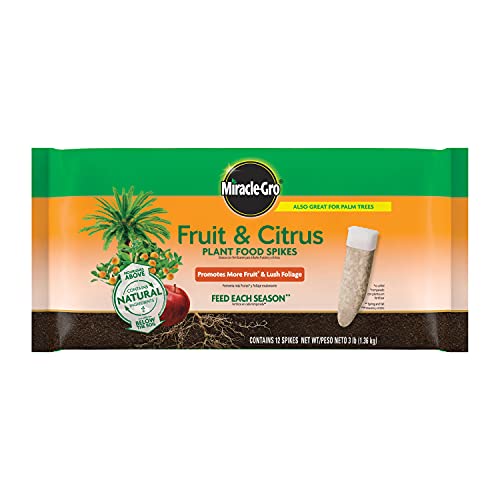
FORMULATED FOR CITRUS AND FRUIT TREES: Use these citrus fertilizer spikes on apple, orange, lemon, lime, and avocado trees; this formula is also great for feeding palm trees
Common Banana Varieties and Their Yields
- Cavendish: This is the most popular commercial banana variety. It typically yields 50 to 150 bananas per bunch, maturing in 9 to 12 months. Cavendish bananas thrive in warm, tropical climates.
- Red Banana: Known for its reddish-purple skin, this variety offers a sweeter taste. Each plant produces about 20 to 25 bananas per bunch, and they take around 12 to 18 months to mature.
- Lady Finger: This small banana variety has a slender shape and a sweet flavor. Lady Finger banana trees yield around 40 to 60 bananas per bunch and mature in about 12 months.
- Burro Banana: Recognized for its unique tangy flavor, Burro bananas grow in clusters of about 30 to 40. They take around 9 to 15 months to bear fruit.
- Cavendish: Ensure consistent watering and nutrient-rich soil to maximize yield. Watch for pests like spider mites, which can affect fruit quality.
- Red Banana: This variety requires slightly cooler temperatures and protection from strong winds. Regular pruning encourages better air circulation around the plant.
- Lady Finger: They thrive in well-drained soil and need full sunlight. Fertilization every few months supports their growth and fruit production.
- Burro Banana: These trees prefer a drier climate with less humidity. Monitor for fungal diseases that can arise in overly wet conditions.
Growing Conditions for Healthy Fruit Production
For banana trees to thrive and produce fruit, certain growing conditions must be met. Understanding these factors helps maximize your banana harvest.
Optimal Conditions for Banana Trees
- Climate: Banana trees prefer warm, tropical climates with temperatures ranging between 75°F to 95°F (24°C to 35°C). Avoid exposure to frost, which can damage plants.
- Soil Quality: Well-draining soil is essential. A mixture of loamy soil with organic matter, such as compost, promotes healthy root development. pH levels should be between 5.5 and 7.
- Watering: Consistent moisture is crucial. Aim to water banana trees regularly, providing approximately 1 to 2 inches of water each week. Be cautious of overwatering, as it can lead to root rot.
- Nutrition: Fertilizing banana trees with balanced fertilizers, such as those high in potassium, helps boost fruit production. Regular feeding every couple of months supports healthy plant growth.
- Sunlight: Full sun exposure, around 12 hours daily, is ideal for optimal growth. Plant banana trees in a location that receives ample sunlight throughout the day.
- Pests: Watch out for pests like aphids and spider mites. Regularly inspect your plants and use organic pesticides when necessary to manage infestations.
- Diseases: Fungal diseases such as Panama disease can affect banana trees. Ensure good airflow around the plants and avoid overcrowding to minimize disease outbreaks.
- Nutrient Deficiencies: Yellowing leaves might indicate nutrient deficiencies. Conduct soil tests to identify deficiencies and apply appropriate fertilizers.
- Environmental Stress: High winds can damage banana trees due to their large leaves. Planting windbreaks or staking young plants can help protect them from strong gusts.
- Water Management: Both underwatering and overwatering can impact growth. Establish a consistent watering schedule to ensure your banana trees stay healthy and productive.
Conclusion
Growing your own banana tree can be a rewarding experience. With the right care and conditions you can enjoy fresh bananas right from your garden. Remember that patience is key as you wait for your tree to mature and bear fruit.
Once established banana trees can produce fruit regularly through their offshoots. By understanding the specific needs of your chosen variety and providing optimal conditions you’ll set yourself up for success. So get ready to nurture your banana plants and look forward to those delicious harvests in the seasons to come. Happy gardening!
Frequently Asked Questions
How long does it take for a banana tree to bear fruit?
Banana trees typically take 12 to 15 months to bear fruit after planting. This timeline can vary based on environmental factors and specific banana varieties.
What factors affect banana fruit production?
Key factors include climate, soil quality, consistent watering, proper nutrition, and pest management. Each plays a vital role in ensuring healthy fruit yield.
How often do banana trees produce fruit?
After initial growth, banana trees produce fruit approximately every 12 to 24 months. Each main stem bears fruit once, while new offshoots can provide annual harvests.
What are common banana varieties?
Common varieties include Cavendish, Red Banana, Lady Finger, and Burro Banana, each with unique characteristics, yields, and care requirements suitable for different climates.
What are the ideal growing conditions for banana trees?
Banana trees prefer warm, tropical climates (75°F to 95°F), well-draining loamy soil rich in organic matter, consistent moisture, and full sun exposure for 12 hours daily.
How can I ensure healthy banana plant growth?
Provide balanced fertilizers high in potassium, monitor for pests and diseases, and ensure the trees have enough water and sun. Regular checks for nutrient deficiencies are also essential.
