

Have you ever admired the stunning blooms of a magnolia tree and wondered if it produces fruit? You’re not alone. Many people enjoy the beauty of these trees but might be surprised to learn that they do indeed bear fruit, albeit in a unique way.
Understanding the fruit of a magnolia can enhance your appreciation for this beautiful plant. In this article, you’ll discover what magnolia fruit looks like, how it develops, and its role in the tree’s life cycle. Whether you’re a gardening enthusiast or just curious about nature, you’ll find valuable insights that make exploring magnolias even more rewarding.
Key Takeaways
- Magnolia Trees Produce Unique Fruit: After the flowering stage, magnolia trees develop cone-like fruit that contains seeds, contributing to their life cycle and ecological role.
- Variety Among Species: Different magnolia species produce distinct types of fruit, such as the Southern Magnolia’s large red clusters and the Star Magnolia’s smaller cones.
- Pollination Is Essential: Successful pollination, primarily by beetles, is crucial for fruit development, occurring from late spring to early summer.
- Fruit Dispersal Benefits Ecosystems: The seeds of magnolia fruit are a food source for various wildlife, promoting biodiversity and enhancing local ecosystems.
- Culinary Uses Exist: Some cultures utilize magnolia seeds and immature fruit in dishes, although proper identification is crucial for safe consumption.
- Care and Growth Requirements: Understanding the care needs of magnolia trees, such as suitable soil and sunlight, is vital for healthy growth and fruit production.
Overview Of Magnolia Trees
Magnolia trees belong to the Magnoliaceae family. They thrive in a range of climates and exhibit a variety of unique characteristics. These trees provide stunning flowers and foliage.
Recommended Products
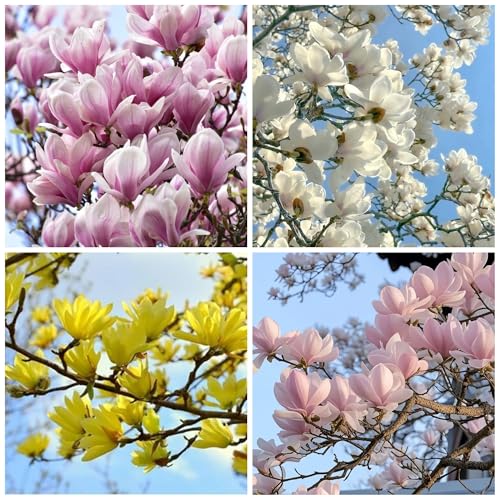
An evergreen ornamental tree and shrub, 2 to 30 meters tall, with large, beautiful flowers up to 25 cm in diameter, which fall at the ends of branches

The Southern Sweetbay Magnolia is a stunning evergreen to semi-evergreen tree known for its fragrant, creamy-white blooms that attract pollinators.

PACKAGE CONTENTS: 10 premium non-GMO Magnolia tree seeds ready for planting, perfect for creating a stunning ornamental garden feature
Types Of Magnolia Trees
Magnolia trees come in numerous species. Some common types include:
- Southern Magnolia: This species features large, fragrant white flowers. It’s a popular choice in the southern United States.
- Star Magnolia: Known for its star-shaped white flowers, this tree blooms in early spring.
- Saucer Magnolia: This hybrid produces large, colorful flowers that can be pink or purple.
Growth Habits
Magnolia trees typically have a slow growth rate but can reach heights of 15 to 80 feet. Their width can vary between 10 to 50 feet. You can find them in various shapes, including upright and spreading forms.
Flowering And Fruit Production
Magnolia trees bloom in the spring or summer, depending on the species. Flowers can be white, pink, or purple. After pollination, these flowers develop distinctive fruit. The fruit, resembling a cone, can mature into colorful, berry-like structures rich in seeds.
Care Requirements
Magnolia trees prefer well-drained soil and full sunlight. Regular watering supports their growth, especially in dry periods. Minimal pruning is essential for maintaining their shape and promoting healthy development.
Common Uses
Magnolia trees serve various purposes in landscaping and gardening. They function well as shade trees, ornamental plants, or in border settings. Additionally, their flowers attract pollinators, benefiting local ecosystems.
This overview showcases the beauty and significance of magnolia trees in landscaping and nature. They offer more than just aesthetic appeal with their unique flowers and fruit.
The Life Cycle Of Magnolia Trees
Magnolia trees undergo a fascinating life cycle that includes distinct stages, each contributing to their overall growth and fruit production.
Flowering Stage
The flowering stage begins in early spring. Magnolia flowers emerge, showcasing vibrant colors that range from white to deep purple, depending on the species. Flowers vary in size, with some species producing blooms up to 12 inches across. The blooming period can last several weeks, attracting various pollinators, including bees and butterflies. Each flower features numerous petals, typically arranged in a star-like formation, enhancing their visual appeal.
Pollination Process
Pollination is crucial for magnolia fruit development. Pollination occurs when insects, notably beetles, transfer pollen from the male stamens to the female pistils. This process typically takes place within a few days of flower opening. Once pollination succeeds, the flower begins to develop into a cone-like fruit. Each fruit contains several red seeds, which mature over the summer. These seeds are dispersed by birds and other animals, aiding in the spread of new magnolia trees.
By understanding these stages, you can appreciate how magnolia trees contribute to local ecosystems and their unique beauty.
Do Magnolia Trees Produce Fruit?
Yes, magnolia trees do produce fruit. After the flowering stage, which attracts various pollinators, the flowers transform into unique cone-like structures that hold the seeds.
Recommended Products

Light Requirements: Magnolias thrive in full sun to partial shade. USDA Zones: 4-8,Ensure they receive at least 4-6 hours of sunlight daily

[Fragrant Ornamental Blooms] Large, cup-shaped white flowers up to 6 inches across appear before leaves in early spring. Pleasant citrus-lemon fragrance perfumes the garden.

10 Premium Magnolia Seeds: Start growing these magnificent flowering trees with our exclusive collection of 10 magnolia seeds. Cultivate these classic ornamental trees known for their spectacular blooms and elegant form.
Types of Magnolia Fruit
Magnolia fruit varies among species, but most display a similar cone shape. The Southern Magnolia produces a large, red fruit cluster filled with bright seeds. Star Magnolia features smaller, less pronounced cones with fewer seeds. Saucer Magnolia also produces a noticeable cone but tends to have a more tightly packed seed arrangement. Each type contributes to its ecological role, providing food for birds and wildlife.
When Do Magnolia Trees Bear Fruit?
Magnolia trees typically bear fruit after successful pollination, which happens in late spring through early summer. The fruit matures over the summer months, with most species producing ripe seeds by late summer to early fall. During this time, you’ll notice the cones begin to open, revealing the seeds. Birds, squirrels, and other animals help disperse these seeds, promoting new growth for future generations.
Importance Of Magnolia Fruit
Magnolia fruit plays a vital role in the tree’s life cycle and serves several ecological functions.
Ecological Benefits
Magnolia fruit contributes significantly to local ecosystems. Seeds, once dispersed, provide food for a variety of birds, squirrels, and other small mammals. For example, the Southern Magnolia’s red fruit clusters are particularly attractive to birds like cardinals and blue jays, which help in spreading these seeds throughout the environment. This dispersal allows for new magnolia seedlings to take root, promoting biodiversity and forest growth. Additionally, the fruit serves as a food source during late summer, supporting wildlife when other resources become scarce.
Culinary Uses
In some cultures, magnolia fruit finds its way into culinary applications. While not widely known, some chefs incorporate the seeds into dishes for a unique flavor and texture. The seeds can be roasted and eaten as a snack or added to salads for crunch. Additionally, the immature fruit of certain magnolia species is used in traditional recipes, particularly in Asian cuisines. The fruit, when prepared correctly, can contribute a subtle floral flavor and is often pickled or used in sauces. Always ensure proper identification of the species before consumption, as not all magnolia fruits are edible.
Conclusion
Magnolia trees are truly remarkable not just for their stunning blooms but also for their unique fruit. Understanding how these trees produce fruit adds another layer of appreciation to their beauty. The role of magnolia fruit in the ecosystem is vital as it supports local wildlife and promotes biodiversity.
Next time you see a magnolia tree, take a moment to admire not just its flowers but also the fascinating fruit that follows. Whether you’re a gardening enthusiast or simply a nature lover, magnolia trees offer something special for everyone. Embrace the beauty and significance of these trees in your outdoor spaces and enjoy the wonders they bring.
Frequently Asked Questions
What are magnolia trees?
Magnolia trees belong to the Magnoliaceae family and are known for their stunning flowers and unique foliage. They come in several species, such as Southern Magnolia, Star Magnolia, and Saucer Magnolia, each with distinct features and characteristics.
How do magnolia trees produce fruit?
Magnolia trees produce fruit after their flowers are successfully pollinated. In early spring, vibrant flowers attract pollinators, primarily beetles. Once pollination occurs, these flowers transform into cone-like structures that hold seeds.
What do magnolia fruit look like?
Magnolia fruit generally resemble cone-shaped structures and vary among species. Southern Magnolias produce large, red fruit clusters filled with bright seeds, while Star Magnolias have smaller cones with fewer seeds.
When do magnolia trees bear fruit?
Magnolia trees typically bear fruit after pollination, which occurs in late spring to early summer. The fruit matures during the summer, with most species producing ripe seeds by late summer to early fall.
Why are magnolia seeds important?
Magnolia seeds play a significant ecological role by providing food for various birds and small mammals. This helps in seed dispersal and promotes biodiversity within local ecosystems.
Can magnolia fruit be used in cooking?
Yes, in some cultures, magnolia seeds can be roasted or added to dishes for unique flavor profiles. This showcases the culinary potential of this often-overlooked fruit.
