

Have you ever wondered how long it takes for a plum tree to bear fruit? If you’re dreaming of homegrown plums, you’re not alone. Many gardeners share this excitement but often feel unsure about the timeline.
Key Takeaways
- Plum Tree Growth Timeline: Plum trees typically begin to bear fruit between three to six years after planting, with age significantly influencing fruit production.
- Optimal Conditions: For successful growth and fruiting, plum trees require at least six hours of direct sunlight, well-draining soil with a pH of 6.0 to 7.0, and regular watering, especially during dry spells.
- Pollination Importance: Many plum varieties benefit from cross-pollination, so planting compatible varieties nearby can enhance fruit production.
- Varietal Differences: European plum varieties usually take four to six years to fruit, while Japanese types may produce in three to five years; consider these timelines when selecting trees.
- Maintenance Tips: Regular pruning and proper soil care can significantly improve tree health, fruit quality, and overall productivity.
- Patience is Key: Young trees require time to establish roots before fruiting; maintaining ideal conditions will maximize your eventual harvest.
Understanding Plum Trees
Plum trees are popular among home gardeners due to their delicious fruit and attractive foliage. Understanding their growth habits and needs is essential for successful cultivation.
Types of Plum Trees
Plum trees fall into two main categories: European and Japanese.
- European Plum Trees: These trees produce sweet, juicy fruit and include varieties like ‘Stanley’ and ‘Damson.’
- Japanese Plum Trees: Known for their vibrant colors and flavors, varieties such as ‘Santa Rosa’ and ‘Yellow Egg’ fall into this group.
Selecting the right type for your climate ensures better fruit production.
Optimal Growing Conditions
Plum trees thrive in specific conditions for optimal growth and fruiting.
- Sunlight: Aim for at least six hours of direct sunlight daily. Full sun promotes better fruit development.
- Soil: Use well-draining soil with a pH of 6.0 to 7.0. Sandy or loamy soils work best.
- Watering: Regularly water the trees, especially during dry spells. A consistent moisture level is crucial for healthy growth.
- Space: Plant trees with a minimum distance of 15 feet apart. This spacing allows for air circulation and prevents disease.
Creating ideal conditions increases the chances of a fruitful harvest.
Factors Affecting Fruit Production
Several factors determine how quickly a plum tree produces fruit. Understanding these elements helps you maximize your tree’s potential.
Recommended Products

American Red Plum (Prunus americana): The American Red Plum is a common shrub or small tree, often found along roadsides. Fruits are yellow to red in color and used for jellies and jams. Found from Massachusetts to Manitoba, South to Georgia, New Mexico and Utah

Product Quantity: 150+ wild organic plum seeds per packet; Ideal for starting a small orchard or food forest; Generous supply ensures successful germination

Suitable for various USDA Hardiness Zones (3-8), making it adaptable to different climates and regions.
Age of the Tree
Age plays a significant role in fruit production. Plum trees typically start bearing fruit between three to six years after planting. Young trees, under three years old, usually focus on root establishment and growth. Older trees, especially those over six years, generally yield more and larger plums. It’s essential to be patient during the early years, as the wait often results in more abundant harvests.
Pollination Requirements
Pollination greatly influences fruit set in plum trees. Many plum varieties require cross-pollination to produce fruit effectively. This means planting two or more compatible tree varieties nearby boosts your chances of successful pollination. For instance, if you plant a ‘Santa Rosa’ beside a ‘Methley,’ both trees benefit from increased fruit production. Self-pollinating varieties, like some European plums, can yield fruit on their own, but additional trees often enhance the harvest.
Timeline for Fruit Production
Plum trees take time to transition from planting to producing fruit. Understanding this timeline helps set realistic expectations for your gardening journey.
Recommended Products

For sale is an American Plum tree that is approximately 6-12 inches tall

These are ready to plant and should be put in the ground according to the included instructions upon arrival. All pictures are of fully grown plants. Sizes shipped are in the title and description. Deciduous plants do not have leaves in the winter.

For sale is one Chickasaw Plum plant that is approximately 6-12" tall
From Planting to Fruiting
Plum trees typically bear fruit three to six years after planting. Younger trees focus on establishing roots and foliage, while older trees produce more abundant and larger fruit. You can accelerate this process by ensuring optimal growing conditions, including adequate sunlight and proper soil. If you plant a bare-root tree in spring, expect to see your first plums in about three years. For container trees, fruiting may occur a bit sooner due to established root systems.
Varietal Differences
Different plum varieties exhibit unique timelines for fruiting. European plums, like ‘Stanley’ and ‘Damson,’ usually take longer, ranging from four to six years. Japanese varieties, such as ‘Santa Rosa’ and ‘Yellow Egg,’ often bear fruit in three to five years. It’s essential to select a variety suited to your climate and growing conditions. Additionally, consider any cross-pollination requirements. Self-pollinating types may still benefit from neighboring trees, potentially enhancing fruit set.
By selecting the right variety and providing the optimum environment, you can enjoy a fruitful harvest sooner.
Care and Maintenance Tips
Care and maintenance are essential for ensuring your plum tree thrives and produces fruit. Following these tips can enhance growth, health, and overall productivity.
Recommended Products

PROTECTIVE SEAL - Bonide Pruning Sealer is a fast, easy, and effective dressing designed to aid in the healing of any kind of pruning cut, graft, or wound.

Bleach-Alcohol free
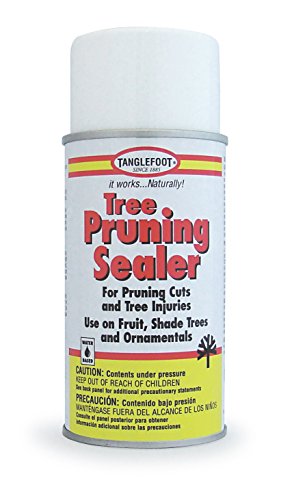
For pruning cuts and tree injuries
Soil and Watering
Choose well-draining soil with a pH between 6.0 and 7.0 for your plum tree. Amending your soil with organic matter, like compost, enhances nutrient levels. Water deeply and consistently, aiming for about one inch of water per week. During dry spells, increase watering frequency to prevent stress. Young trees require more frequent watering to establish roots, while established trees need less. Always check the soil moisture before watering; it should feel slightly moist but not soggy.
Pruning Techniques
Pruning helps maintain tree shape, air circulation, and fruit quality. Start pruning in late winter or early spring, before new growth begins. Focus on removing dead, damaged, or crossing branches. A general rule is to prune about 20% of the tree’s canopy each year for a healthy structure. Thin crowded branches to allow sunlight penetration, which improves fruit set. Always sanitize your pruning tools to prevent disease spread. Ensure cuts are clean and at a slight angle to promote healing.
Conclusion
Growing your own plum tree can be a rewarding experience. While it may take three to six years for your tree to bear fruit patience is key. With the right care and attention you’ll soon enjoy the sweet rewards of your hard work.
Remember to choose the right variety for your climate and ensure optimal growing conditions. Regular maintenance and proper watering will help your tree thrive. Before you know it you’ll be savoring the delicious plums you’ve nurtured right in your backyard. Happy gardening!
Frequently Asked Questions
How long does it take for a plum tree to bear fruit?
Plum trees typically start bearing fruit between three to six years after planting. Young trees focus on establishing their roots, while older trees produce larger and more abundant fruit.
What factors affect plum tree fruit production?
Fruit production in plum trees is influenced by the tree’s age, variety, growing conditions, and pollination. Older trees yield higher quantities of fruit, while selecting compatible varieties can enhance pollination and fruit set.
What are the best growing conditions for plum trees?
Plum trees thrive in well-draining soil with a pH between 6.0 and 7.0, at least six hours of direct sunlight, and regular deep watering. Adequate spacing of about 15 feet apart is also important for healthy growth.
Do plum trees need cross-pollination?
Many plum varieties require cross-pollination to produce fruit effectively. Planting compatible varieties nearby can significantly enhance fruit production. However, some self-pollinating varieties can still benefit from other trees’ presence.
How can I care for my plum tree to ensure a good harvest?
To ensure a fruitful harvest, provide well-draining soil, regular deep watering, and proper pruning. Pruning should be done in late winter or early spring to maintain shape and promote better sunlight penetration.
