

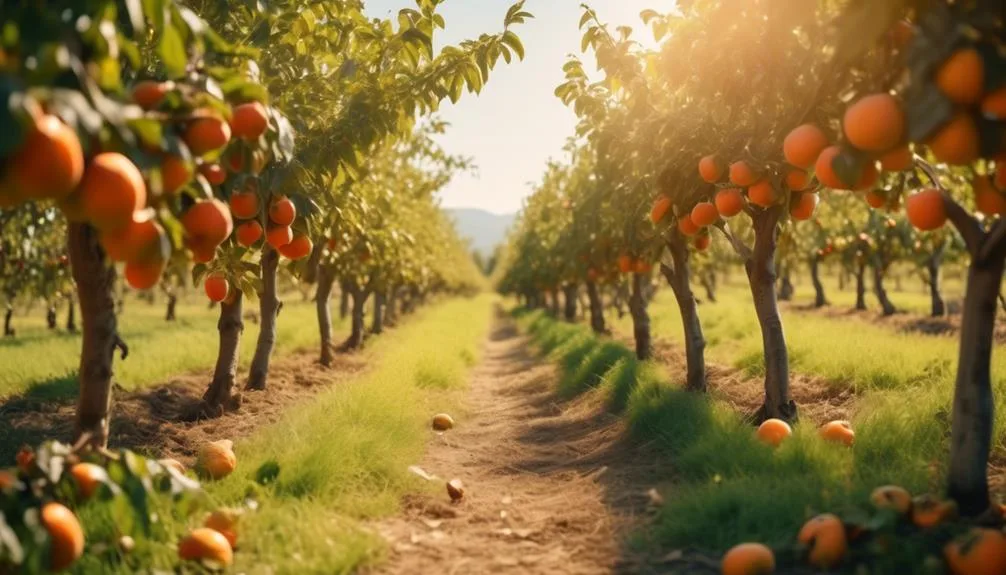
When it comes to growing tasty persimmons in your backyard, the key is to know where to plant your trees. Factors like sunlight, soil, climate, spacing, and pruning all affect fruit production. Understanding these elements is crucial for a successful persimmon orchard.
Let's explore the specifics to help you grow delicious persimmons right at home.
Key Takeaways
- Persimmon trees require 6-8 hours of direct sunlight daily for optimal fruit production.
- The planting location should have maximum sunlight exposure and avoid shading from buildings or obstructions.
- Well-draining, slightly acidic soil rich in organic matter is essential for persimmon trees.
- Proper spacing, pruning, and regular care, including removal of dead or diseased wood, are important for fruit production.
Sunlight Requirements
To ensure successful persimmon fruit production, your trees require ample sunlight, ideally at least six to eight hours of direct sunlight daily. When considering tree positioning, select a location that offers the most exposure to sunlight, preferably in a spot where the trees won't be shaded by buildings or other obstructions. This will promote optimal photosynthesis and fruit development.
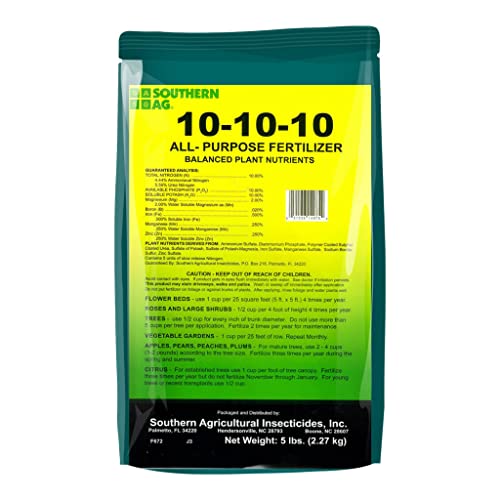
Additionally, proper fertilizer application is crucial for healthy growth and fruit production. Use a balanced fertilizer, such as 10-10-10, in the early spring before new growth appears. Apply the fertilizer evenly around the tree, avoiding direct contact with the trunk. Water the area thoroughly after applying the fertilizer to ensure it reaches the roots.
Following these guidelines will help you create an ideal environment for your persimmon trees to thrive and produce abundant, delicious fruit.
Recommended Products
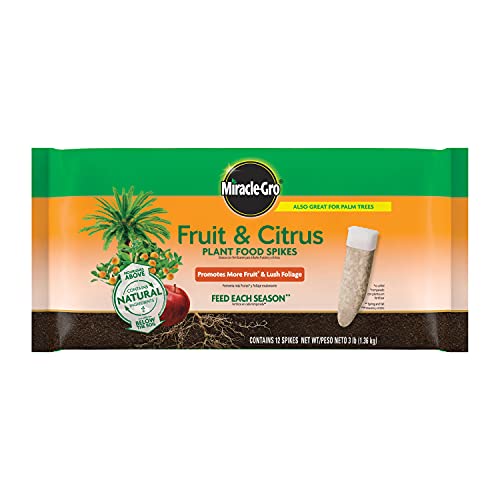
FORMULATED FOR CITRUS AND FRUIT TREES: Use these citrus fertilizer spikes on apple, orange, lemon, lime, and avocado trees; this formula is also great for feeding palm trees

Supports Roots, Foliage & Structure – Helps encourage strong roots and steady plant development.
Soil Conditions
For optimal persimmon fruit production, ensure that the soil conditions are well-draining, rich in organic matter, and slightly acidic.
When planting persimmon trees, it's crucial to consider the soil conditions for successful growth and abundant fruit production. To achieve this, incorporate organic matter such as compost or well-rotted manure into the soil to enhance its fertility and structure.
Fertilization tips include applying a balanced fertilizer in early spring and early summer to support healthy growth and fruit development.
Additionally, maintain a regular watering frequency, ensuring that the soil is consistently moist but not waterlogged. Adequate moisture is essential, especially during the fruit development stage.
Implementing pest control and disease prevention measures is also vital. Regularly inspect the trees for signs of pests or diseases and take necessary actions to mitigate any issues promptly.
Recommended Products

NUTRIENT-RICH GROWTH: Premium cow manure compost packed with nitrogen, calcium, and iron. This organic compost fertilizer enriches soil, boosts microbial life, and supports bigger vegetables, greener lawns, and thriving flowers.

Feed the soil not the plants - stimulate microbial activity in your soil and boost probability of success with all types of plants… like composting but faster

Nutrient-Rich Organic Compost for Healthy Soil: Support stronger plant growth with this premium organic compost made from dairy cow manure. This all purpose soil amendment helps replenish essential nutrients often depleted after harvests, making it ideal for vegetable gardens, fruit trees, flowers, lawns and container plants.
Climate Considerations
Considering the climate conditions of your planting location is crucial for successful persimmon fruit production. Persimmon trees thrive in various climates, but there are specific considerations to keep in mind to ensure optimal growth and fruit yield.
When selecting a location for your persimmon trees, it's important to consider the following:
- Watering needs, temperature tolerance: Persimmon trees require well-drained soil and regular watering, especially during dry periods. They also have a good tolerance for high temperatures, but they may need additional irrigation during hot spells.
- Frost protection, humidity levels: While persimmon trees can tolerate some frost, young trees may need protection during severe cold snaps. Additionally, they prefer moderate humidity levels and may benefit from occasional misting in dry climates.
Recommended Products

PACKAGE: The package includes 4Pcs plant covers,will meet your daily use or replacement. Measuring 31.5" x 47.3", the plant protector is waterproof, windproof.

The Large plant cover is perfect for Plant size 55''-70"high and 84''-94" round, Heavy-weight FRCs (1.77oz./sq. yard): usually used to extend the growing season in spring and fall, allow 40%-60% light transmittance, and recommend 3°-8°F of freeze protection
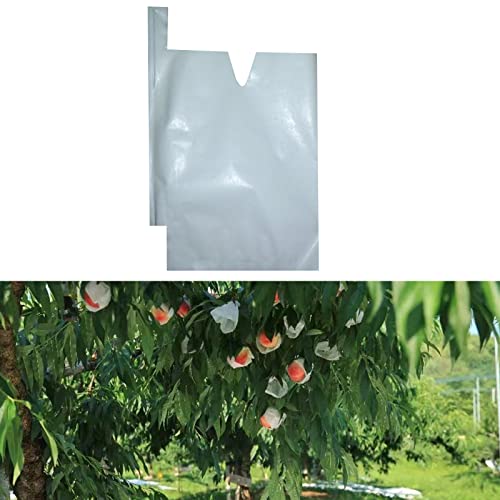
Safe Protector : Protect your apples, peaches, pears, persimmons, dragon fruits, guavas, tomatoes, potatoes, bananas, oranges, plums, nectarines, veggies
Spacing and Pruning
After considering the climate conditions for your persimmon trees, it's important to understand the significance of proper spacing and pruning to ensure healthy growth and abundant fruit production.
Spacing management is crucial to allow adequate sunlight and airflow between the trees. Persimmon trees should be planted about 20-25 feet apart to provide ample room for their roots to spread and to prevent overcrowding as they mature.
Pruning techniques play a vital role in shaping the tree, removing dead or diseased wood, and promoting fruit production. Regular pruning helps maintain the tree's overall health and encourages the growth of new fruiting wood.
It's essential to prune during the tree's dormant season to minimize stress and maximize the effectiveness of the pruning.
Proper spacing and pruning are key factors in ensuring a bountiful harvest of delicious persimmons.
Pollination Needs
To ensure successful fruit production, understanding the pollination needs of persimmon trees is essential for maximizing your harvest. Persimmon trees generally benefit from cross-pollination, which occurs when pollen is transferred from one tree to another, resulting in better fruit set and quality.
However, some persimmon varieties are self-pollinating, but they may still produce better with cross-pollination. To attract pollinators such as bees and butterflies, consider planting pollinator-attracting flowers nearby.
Additionally, implementing pollinator exclusion techniques, such as covering trees with netting, can help prevent unwanted pollinators from interfering with the pollination process. While self-pollination may have drawbacks, incorporating these strategies can help ensure a successful fruit yield from your persimmon trees.
Conclusion
In the end, planting persimmon trees in a sunny, well-draining spot with proper spacing and pruning is crucial for a bountiful harvest.
Considering your region's climate and ensuring pollination needs are met are also key.
With these factors in mind, you'll soon savor the satisfaction of homegrown persimmons.
