
Close Menu
    Fruit Tree Hub
    • Home
    • Apple Trees
    • Lemon Trees
    • Mango Trees
    • Orange Trees
    • More Trees
      • Best Fruit Trees
      • Apricot Trees
      • Cherry Trees
      • Fig Trees
      • Lime Trees
      • Mulberry Trees
      • Peach Trees
      • Pear Trees
      • Plum Trees
      • Pomegranate Trees
    • Tips and Advice
      • Tools
    • About Us
      • Contact
      • Privacy Policy
    Fruit Tree Hub
    Home»Fruit Trees»Persimmon Trees»Why Do Persimmon Trees Produce Astringent Fruit
    Persimmon Trees

    Why Do Persimmon Trees Produce Astringent Fruit

    Lucy SmithBy Lucy SmithFebruary 5, 20244 Mins Read
    Share Facebook Twitter Pinterest WhatsApp Email
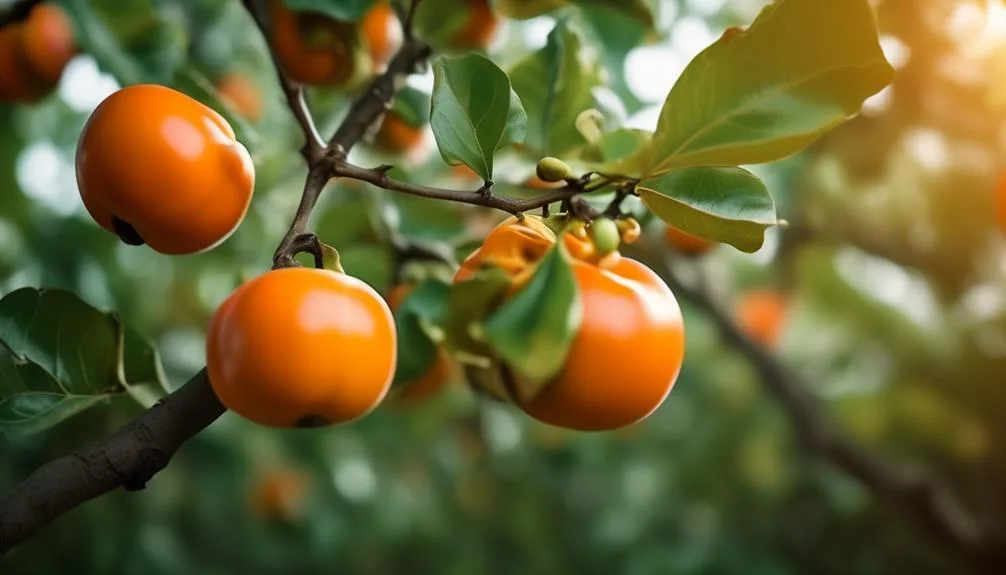
    persimmon trees and astringent fruit
    Share
    Facebook Twitter LinkedIn Pinterest Telegram Email

    Ever wondered why persimmons make your mouth feel dry and puckered?

    Contents show
    1 Key Takeaways
    2 Tannins and Astringency
    3 Role of Ripening Process
    4 Impact of Cultivar Variations
    5 Environmental Factors and Astringency
    6 Managing Astringency in Persimmons
    7 Conclusion

    The reason behind their astringent taste is quite complex, involving tannins, ripening process, cultivar variations, and environment.

    Understanding these factors can shed light on the unique biology of persimmon trees and how we enjoy their fruits.

    Key Takeaways

    • Tannins are responsible for the astringency in persimmon fruit.
    • The ripening process significantly reduces tannin levels and the puckering sensation.
    • Different persimmon cultivars have unique characteristics that influence flavor, texture, and astringency.
    • Environmental factors, such as climate and soil composition, play a crucial role in determining the astringency of persimmons.

    Tannins and Astringency

    Tannins are the compounds responsible for the astringency in persimmon fruit, giving them that characteristic dry, puckering sensation in your mouth when you bite into them.

    During fruit development, tannin regulation plays a crucial role in determining the astringency level of the persimmon. Initially, the fruit contains high levels of tannins, which contribute to its astringent taste.

    As the fruit matures, tannin regulation processes occur, leading to a decrease in tannin levels and a reduction in astringency. This regulation is essential for making the fruit palatable and enjoyable to eat.

    Understanding the mechanisms behind tannin regulation during fruit development is vital for improving the overall quality of persimmons and ensuring a pleasant eating experience for consumers.

    Role of Ripening Process

    As the persimmon fruit ripens, a complex interplay of biochemical processes takes place, influencing its flavor, texture, and astringency.

    MUST READ
    How Persimmon Trees Benefit Local Ecosystems

    The ripening process of persimmons involves enzymatic changes that significantly impact the fruit's characteristics. During ripening, the levels of tannins, responsible for the fruit's astringency, gradually decrease. This enzymatic breakdown of tannins reduces the puckering sensation associated with unripe persimmons, making the fruit more palatable.

    Additionally, the ripening process transforms the texture of the fruit, turning it from firm and astringent to soft and sweet. The enzymatic changes also contribute to the development of the characteristic rich and sweet flavor of ripe persimmons.

    Understanding the role of the ripening process sheds light on why persimmons transition from astringent and unappealing when unripe to lusciously sweet and enjoyable when fully ripe.

    Impact of Cultivar Variations

    The unique characteristics of different persimmon cultivars greatly influence the overall flavor, texture, and astringency of the fruit as it ripens. Cultivar selection plays a significant role in determining the fruit quality. Here are some popular persimmon cultivars and their key attributes:

    CultivarFlavorTexture
    FuyuSweet and mildFirm
    HachiyaRich and tangySoft and pudding-like
    SaijoHoney-likeSmooth and custard-like

    Cultivar selection not only affects the taste and texture but also determines the astringency level of persimmons. Whether you prefer a crisp bite like the Fuyu or the luscious, jelly-like consistency of the Hachiya, understanding the impact of different cultivar variations is essential for enjoying the best persimmon fruit quality.

    Environmental Factors and Astringency

    Understanding how environmental factors influence astringency in persimmons can enhance your appreciation of the diverse flavors and textures offered by different cultivars.

    MUST READ
    Can Persimmon Trees Be Grown Indoors

    The climate effects astringency by impacting the amount of tannins in the fruit, which is responsible for its characteristic puckering sensation.

    Soil composition also plays a crucial role; persimmon trees grown in well-drained, slightly acidic soil tend to produce fruit with milder astringency, while those in clay or alkaline soils may yield more astringent fruit.

    The interplay of these environmental elements creates a rich tapestry of flavors and textures, shaping the unique taste of each persimmon variety.

    Embrace the complexity of environmental influences on astringency, and delve into the intricate balance of nature that gives persimmons their distinctive character.

    Recommended Products

    Doter Citrus Tree Potting Soil Mix, Organic Loamy Potting Soil for Potted Lemon or Lime Tree, Special Blend for Indoor Oranges, Lemons, Limes and More
    Doter Citrus Tree Potting Soil Mix, Organic Loamy Potting Soil for Potted Lemon or Lime Tree, Special Blend for Indoor Oranges, Lemons, Limes and More

    【Ideal pH Balance】Our citrus soil is carefully calibrated to maintain an optimal pH level between 6.0 and 7.1, ensuring your citrus trees can absorb essential nutrients efficiently and thrive

    VIEW LATEST PRICE

    As an affiliate, we earn on qualifying purchases.

    Soil Sunrise Citrus Tree Potting Soil Mix (12 Quarts) Special Blend for Indoor Oranges, Lemons, Limes and More
    Soil Sunrise Citrus Tree Potting Soil Mix (12 Quarts) Special Blend for Indoor Oranges, Lemons, Limes and More

    Enhanced Growth Benefits: Supports optimal plant health with superior aeration, effective drainage, excellent nutrient retention, and a balanced pH – everything citrus plants need to thrive.

    VIEW LATEST PRICE

    As an affiliate, we earn on qualifying purchases.

    GARDENWISE Organic Lemon Tree Soil – Citrus Potting Mix with Organic Fertilizer – Ideal for Potted Lemon Trees, Meyer Lemons & Citrus Plants – Chunky, Indoor & Outdoor (3 QUARTS)
    GARDENWISE Organic Lemon Tree Soil – Citrus Potting Mix with Organic Fertilizer – Ideal for Potted Lemon Trees, Meyer Lemons & Citrus Plants – Chunky, Indoor & Outdoor (3 QUARTS)

    Enriched with Organic Fertilizer – This lemon tree fertilizer provides nutrients for up to 6 months, so your citrus trees stay healthy and productive with minimal upkeep.

    MUST READ
    How to Identify Different Persimmon Tree Varieties
    VIEW LATEST PRICE

    As an affiliate, we earn on qualifying purchases.

    Managing Astringency in Persimmons

    To manage astringency in persimmons, consider employing various post-harvest techniques to reduce the level of tannins and enhance the fruit's palatability. Astringency removal techniques play a crucial role in improving fruit quality, aligning with consumer preferences, and meeting market demand. Below are some effective techniques for managing astringency in persimmons:

    Astringency Removal TechniquesDescription
    Controlled Atmosphere StorageStoring persimmons in a controlled atmosphere environment with reduced oxygen levels can help soften the fruit and decrease astringency.
    Ethanol TreatmentImmersing persimmons in ethanol solution can accelerate astringency removal, making the fruit ready for consumption sooner.
    Carbon Dioxide ExposureExposing persimmons to controlled levels of carbon dioxide can promote astringency removal and improve overall fruit quality.

    Conclusion

    In the end, the astringent taste of persimmons is a result of tannins. This taste can be influenced by ripening, cultivar variations, and environmental factors. By understanding these factors, one can appreciate and manage astringency. It allows individuals to savor the sweet, non-astringent varieties of this delightful fruit.

    Share. Facebook Twitter Pinterest LinkedIn Tumblr Email
    lucy smith
    Lucy Smith
    • Website

    Lucy Smith is a highly experienced horticulturist with a passion for fruit tree cultivation. She holds a degree in Horticulture from the University of California, Davis, and has worked in various roles in the industry. With over 10 years of experience, Lucy is dedicated to using eco-friendly methods for sustainable gardening practices.

    Related Posts

    Why Do Persimmon Trees Have Distinctive Bark

    February 12, 2024

    Can Persimmon Trees Adapt to Climate Change

    February 12, 2024

    Creating a Wildlife Habitat With Persimmon Trees

    February 12, 2024

    Where Are Persimmon Trees Considered Invasive

    February 12, 2024

    Is Persimmon Tree Pollen Allergenic

    February 11, 2024

    Can Persimmon Trees Be Used in Herbal Teas

    February 11, 2024
    Leave A Reply Cancel Reply

    Affiliate Disclosure

    As an Amazon Associate I earn from qualifying purchases.

    Recommended Reading

    Quince Trees in a Pot in Maine (Cold-Hardy Growth Strategies)

    How Big Do Dwarf Nectarine Trees Grow? Tips for Healthy Growth and Management

    What Fruit Trees Grow in Kentucky: A Guide to Choosing the Best Varieties for Your Orchard

    How Often Water Fruit Trees for Healthy Growth and Maximum Yield

    Mango Trees in a Pot in Michigan: Great Lakes Indoor Success

    How to Prevent Birds from Eating Fruit off Trees with Effective Garden Strategies

    How to Grow Lime Trees in St. Paul, MN: Severe Winter Tips

    How to Grow Grapes in Indiana: Tips for Successful Cultivation and Harvest

    Mulberry Trees in a Pot in Virginia: Expert Advice for Gardeners

    Growing Tamarind Trees in a Pot in Pennsylvania (Pro Tips)

    Fruit Tree Hub

    Fruit Tree Hub is a website dedicated to providing you everything you need to grow fruit trees successfully at in your own yard.

    Contact us at: [email protected]

    - AFFILIATE DISCLOSURE: As an Amazon Associate I earn from qualifying purchases.

    Latest Posts

    21 Colorful Halloween Crochet Motifs Featuring Pumpkins Bats and Black Cats

    23 Smart Halloween Crochet Ideas to Sell as Keychains and Coasters

    22 Fun Halloween Crochet Ideas Built Around Treat Bags and Hats

    23 Adorable Halloween Amigurumi Ideas Featuring Ghosts and Black Cats

    22 Compact Halloween Crochet Decorations for Shelves and Small Spaces

    19 Practical Halloween Crochet Decorations Designed for Tabletop Displays

    24 Cozy Halloween Crochet Decor Ideas Built Around Mantel Garlands

    19 Playful Kawaii Halloween Crochet Ideas Featuring Smiling Spooky Characters

    Categories
    • Almond Trees
    • Apple Trees
    • Apricot Trees
    • Best Fruit Trees
    • Blackberry
    • Cantaloupe
    • Cherry Trees
    • Crochet Ideas
    • Crochet Ideas for Beginners
    • Cucamelon
    • Easy Crochet Ideas
    • Easy Knitting Projects
    • Fall Crochet Ideas
    • Fig Trees
    • Grapefruit Trees
    • Grapes
    • Guava Trees
    • Halloween Crochet Ideas
    • Honeydew
    • Jujube Trees
    • Kiwi
    • Knitting For Beginners
    • Knitting Ideas
    • Knitting Inspiration
    • Lemon Trees
    • Lime Trees
    • Loquat Trees
    • Mango Trees
    • Mulberry Trees
    • Nectarine Trees
    • Olive Trees
    • Orange Trees
    • Papaya Trees
    • Peach Trees
    • Pear Trees
    • Persimmon Trees
    • Planting
    • Plum Trees
    • Pomegranate Trees
    • Quince Trees
    • Raspberry
    • Reviews
    • Small Crochet Ideas
    • Star Fruit Trees
    • Summer Crochet Ideas
    • Tamarind Trees
    • Tangerine Trees
    • Tips and Advice
    • Tools
    • Uncategorized
    • Walnut Trees
    © 2026 Fruit Tree Hub
    • Home
    • About Us
    • Contact
    • Privacy Policy
    • Terms and Conditions
    • Disclaimer
    • Editorial Policy
    • Affiliate Disclosure

    Type above and press Enter to search. Press Esc to cancel.