

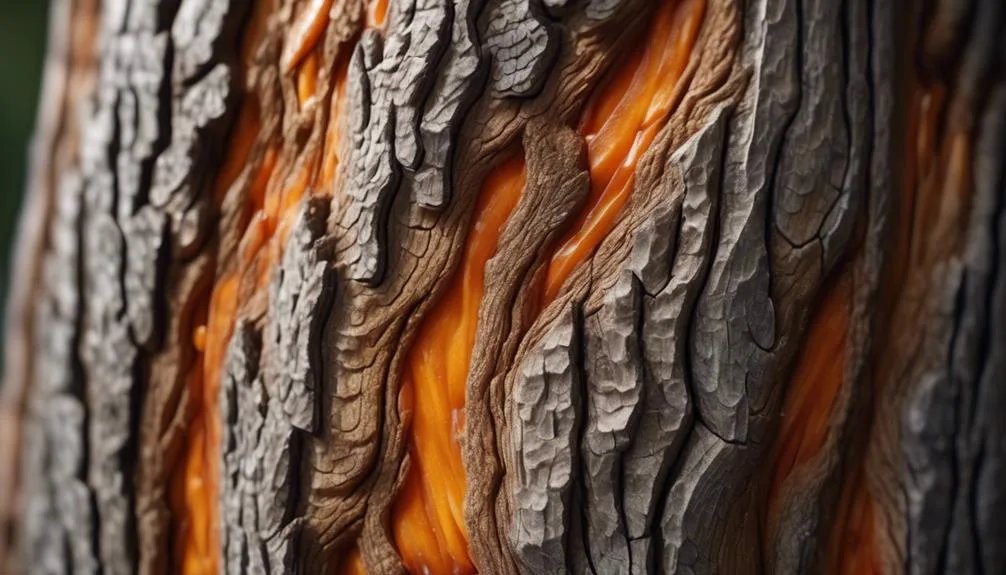
The bark of a persimmon tree is so unique that it stands out even in winter. But why does it look this way?
The patterns and textures on the bark are not random. There are interesting reasons behind them. Stay tuned to learn about the secrets of persimmon tree bark and its importance for the tree.
Key Takeaways
- The distinctive bark of persimmon trees is characterized by deeply furrowed ridges, a puzzle-like appearance, and a mosaic of gray, brown, and black hues.
- The unique bark appearance is influenced by factors such as bark texture, tree species, natural protection, and environmental influences like sunlight, temperature, and soil composition.
- The bark plays a crucial role in tree adaptation by providing insulation and protection, regulating temperature in hot and cold climates, and acting as a defense mechanism against pests and diseases.
- Bark is essential for tree health as it protects the tree from physical damage, transports essential nutrients, can regenerate and heal over time, and maintains temperature and moisture levels within the tree.
Characteristics of Persimmon Tree Bark
The distinctive bark of persimmon trees features deeply furrowed ridges and a mosaic of gray, brown, and black hues, creating a visually captivating and tactilely intriguing texture. The bark texture is rough and almost looks like a puzzle of colors, with some areas appearing darker while others showcase lighter shades.
These color variations are particularly prominent on mature trees, where the bark becomes deeply furrowed, adding to the tree's allure. Running your hand along the bark, you can feel the rugged ridges and the smooth indentations, creating a sensory experience that's both visually and physically stimulating.
This unique bark texture and color variation make persimmon trees not only a striking visual presence in any landscape but also a fascinating subject for tactile exploration.
Recommended Products
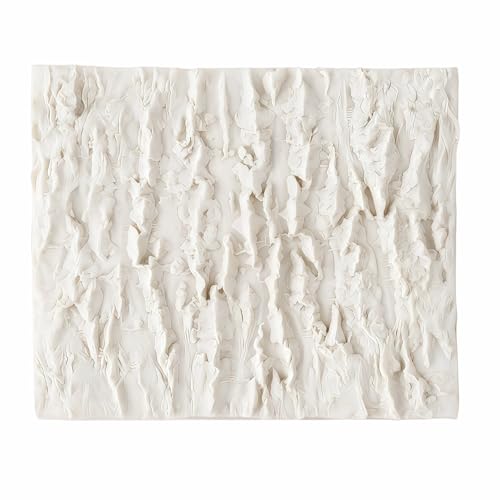
🌳Unique Design & MultIpurpose - The fine design and the clear details make your works vivid and lively. You can create your own special fondant, gum paste, candies, chocolates, polymer clay and more with this miraculous mold.

Large Bark Silicone Mold: 1 bark texture fondant mold, designed as a bark texture impression, providing a unique effect of bark texture for your candy, fondant, chocolate and other dessert decorations.
Reasons for Unique Bark Appearance
Featuring deeply furrowed ridges and a captivating mosaic of colors, the unique bark appearance of persimmon trees is attributed to a combination of factors.
- Bark Texture: The distinct texture of persimmon tree bark is a result of the deeply furrowed ridges and scaly plates that develop as the tree matures.
- Tree Species: Each tree species has its own unique bark appearance, and persimmon trees are no exception. They have striking and recognizable bark patterns.
- Natural Protection: The bark of persimmon trees acts as a shield, protecting the tree from harsh weather conditions, pests, and diseases.
- Environmental Influences: The appearance of the bark is also influenced by environmental factors such as sunlight, temperature, and soil composition. These factors contribute to the captivating mosaic of colors seen on the bark.
Role of Bark in Tree Adaptation
Having explored the factors contributing to the distinctive bark appearance of persimmon trees, let's now delve into the pivotal role that bark plays in the adaptation of these remarkable trees.
The bark structure of persimmon trees is crucial for their climate adaptation. The thick, rugged bark provides insulation and protection, allowing the tree to withstand extreme temperatures and harsh weather conditions.
In hot climates, the bark helps regulate the tree's temperature by reducing water loss through transpiration. Conversely, in cold climates, the insulating properties of the bark shield the tree from freezing temperatures.
Additionally, the rough texture of the bark provides a defense mechanism against pests and diseases. This unique bark structure not only enhances the tree's resilience but also contributes to its distinctive appearance, making persimmon trees well-adapted to a variety of environments.
Recommended Products

Comprehensive Protection : Weed removal, hedge trimmers and animals can cause irreversible damage to young trees.Our plastic tree trunk protectors provide complete defense, effectively isolating saplings from potential harm caused by deer, rabbits,cats, squirrels, rodents, and lawn mowers

Multifunctional: The Tree Wrap offers immediate protection for trees. When wrapped around a tree trunk, this protector prevents insects from burrowing under the bark to lay eggs, effectively stopping cicadas and other pests from finding nesting sites. It acts as a tree bandage, aiding in the repair of bark and promoting the tree's recovery. This tree wraps to protect bark also safeguards the tree's epidermis, preventing damage caused by lawn care equipment such as mowers and trimmers.
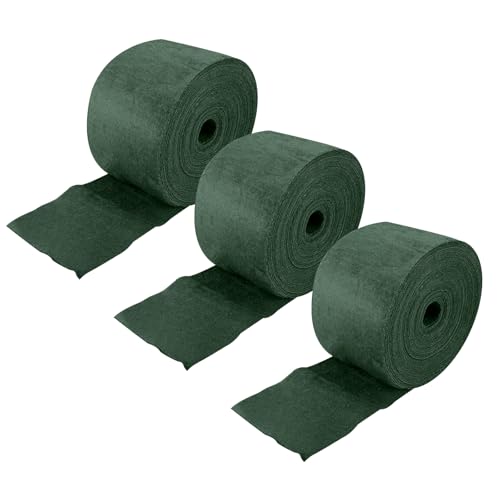
High-Quality Non-Woven Fabric: Our tree wraps are made from premium non-woven fabric, designed to effectively protect bark from winter frost damage and summer heat stress, ensuring the longevity of your trees.
Significance of Bark for Tree Health
Understanding the crucial role of bark in maintaining tree health is essential for ensuring the overall well-being and longevity of the tree. The bark serves as a protective outer layer, shielding the tree from environmental stressors, pests, and diseases. It also plays a vital role in nutrient transport, facilitating the movement of essential substances throughout the tree.
The significance of bark for tree health can be highlighted through the following points:
- Bark Protection: The bark acts as a protective barrier, safeguarding the delicate inner tissues of the tree from physical damage, extreme temperatures, and harmful pathogens.
- Nutrient Transport: The bark contains vascular tissues that transport water, minerals, and sugars between the roots and leaves, supporting the tree's growth and metabolic functions.
- Healing and Recovery: Injured bark can regenerate and heal over time, providing a crucial defense mechanism for the tree.
- Insulation: The thick, insulating nature of the bark helps regulate temperature and moisture levels within the tree, contributing to its overall health and resilience.
Factors Influencing Bark Distinctiveness
As you observe the distinctive bark of persimmon trees, it becomes evident that various factors contribute to shaping its unique characteristics and appearance. The bark's distinctiveness is influenced by several key factors, including environmental impact. Here is a table summarizing the influencing factors and their impact on the bark of persimmon trees:
| Factors Influencing Bark Distinctiveness | Environmental Impact |
|---|---|
| Tree Age | Weather conditions |
| Soil Type | Sunlight exposure |
| Disease and Pests | Climate variability |
| Genetic Variation | Human intervention |
These influencing factors interact with the environment to create the distinct bark patterns and textures found on persimmon trees. The tree's age, soil type, disease and pests, genetic variation, and human intervention all play a crucial role in determining the unique appearance of persimmon tree bark.
Conclusion
The distinctive bark of the persimmon tree serves a vital purpose, providing protection and aiding in its adaptation to the environment. It's a testament to nature's remarkable evolution for survival.
Take a moment to appreciate the wonders of the natural world around you, and consider the incredible ways in which trees like the persimmon have thrived.
