

Have you noticed pesky moss taking over your fruit trees? You’re not alone. Many gardeners face this issue, and it can be quite frustrating. Moss not only affects the appearance of your trees but can also hinder their growth and fruit production.
Key Takeaways
- Understand Moss Causes: Moss thrives in moist, shaded areas with poor air circulation and nutrient deficiencies, which can harm your fruit trees.
- Identify Harmful Effects: Moss can reduce photosynthesis, hinder growth, and increase the risk of disease, leading to diminished fruit production.
- Utilize Effective Removal Methods: Employ manual techniques such as hand pulling and scrubbing, alongside chemical treatments like vinegar or copper sulfate, to eliminate moss.
- Prevent Future Growth: Enhance sunlight exposure, ensure proper pruning, and manage watering practices to create an environment less favorable for moss growth.
- Maintain Healthy Trees: Regular watering, fertilizing, and inspecting for pests can keep your fruit trees robust and resilient against moss and other issues.
- Ongoing Monitoring is Key: Conduct regular inspections for moss reappearance and adjust care practices as needed to promote the health and productivity of your trees.
Understanding Moss on Fruit Trees
Moss growth on fruit trees presents challenges for many gardeners. Understanding the root causes and implications helps in managing this issue effectively.
Causes of Moss Growth
Moss thrives in specific conditions, often leading to growth on fruit trees. Here are the primary causes:
- Moisture: High humidity and consistent moisture create an ideal environment for moss. Wet conditions promote its growth on tree bark.
- Shade: Limited sunlight exposure encourages moss development. Trees in shaded areas are more susceptible to moss infestations.
- Poor Air Circulation: Stagnant air around trees fosters moss growth. It often occurs in densely planted orchards or gardens.
- Nutrient Deficiency: Trees lacking essential nutrients may attract moss. Weaker trees face higher moss colonization risks.
Effects of Moss on Fruit Trees
Moss can harm fruit trees in several ways. Understanding these effects highlights the need for prompt action:
- Aesthetic Issues: Thick moss layers diminish the tree’s visual appeal. Unattractive trees may affect your garden’s overall appearance.
- Growth Reduction: Moss can hinder photosynthesis by blocking sunlight. Reduced growth leads to smaller yields in fruit production.
- Increased Disease Risk: Moss provides a habitat for pests and diseases. Weakened trees become more vulnerable to infestations and infections.
- Bark Damage: Moss can trap moisture against the bark. This increases the risk of rot and other damaging conditions.
By recognizing the causes and effects of moss, you can take the necessary steps to manage its presence on your fruit trees effectively.
Methods to Get Rid of Moss
Several methods effectively remove moss from fruit trees. You can choose either manual techniques or chemical treatments based on your preference and situation.
Recommended Products
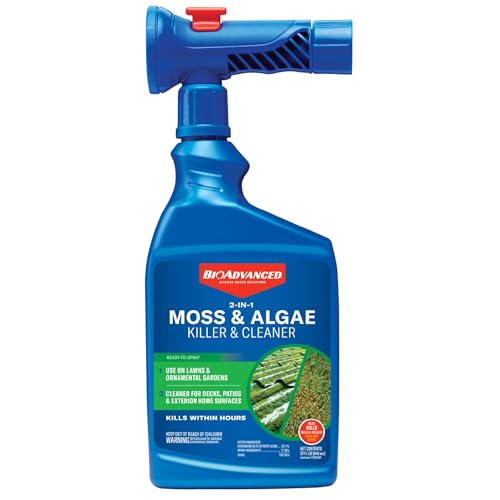
KILLS MOSS, ALGAE & MORE: 2-in-1 Moss & Algae Killer and Cleaner kills moss, algae, lichen, mold*, and mildew; No-odor formula won't stain surfaces or harm lawns when used as directed (*Not including species considered public health pests)

TRIPLE PROTECTION FORMULA: 3-in-1 solution kills listed insects, controls listed diseases, and controls listed mites with one easy application

Kills moss quickly - see results in hours
Manual Removal Techniques
- Hand Pulling: Grasp the moss around the base and pull gently. This method works best when the moss is moist and easier to remove.
- Scrubbing: Use a scrub brush or sponge to scrub the affected areas gently. Focus on the bark to avoid damage while dislodging moss.
- Pressure Washing: If the moss covers a large area, a pressure washer set on a low setting can help. Keep the spray at a distance to protect the tree’s bark.
- Rinsing with Water: Spray the moss with a hose to loosen it. Follow up with scrubbing for thorough removal.
- Pruning: Assess the tree’s canopy and trim back any excessive branches. This enhances sunlight exposure and air circulation, reducing conditions favorable for moss growth.
- Commercial Moss Killers: Look for products specifically designed for moss removal. Follow the manufacturer’s instructions for application and safety.
- Bleach Solution: Mix one part bleach with ten parts water. Apply it conservatively with a spray bottle. Rinse off well after a few minutes to prevent damage to the tree.
- Vinegar: Use white vinegar at full strength. Spray it directly onto the moss for effective results. Rinse thoroughly afterward to mitigate any potential harm to the tree.
- Baking Soda: Mix baking soda with water to create a paste. Apply it on the mossy areas. After a few hours, rinse it off for effective removal.
- Copper Sulfate Solution: Dissolve copper sulfate in water and spray it on the moss. Use this option cautiously, as copper can be toxic to some plants.
By employing these methods, you can effectively manage and reduce moss on your fruit trees, leading to healthier growth and improved fruit production.
Preventing Moss Growth
Preventing moss growth on fruit trees involves a combination of cultural practices and managing environmental factors. These approaches create conditions that deter moss while promoting healthy tree development.
Recommended Products

Effective Fruit Tree Netting: Premium Garden netting creates a barrier to protect your fruit trees, blueberries, apples, tomatoes, and berries, ensure the health and abundance of your garden; Bugs, Insects, aphids, Cicadas, birds, chickens, and squirrels will stay away from your trees

KILLS LISTED FRUIT & CITRUS TREE INSECTS: Controls Asian Citrus Psyllid, Whiteflies, Aphids Thrips, Citrus Leafminers, Leafhoppers, Blackfly, Mealybugs, Scales, Avocado Lacebugs, Oriental Beetles, Flea Beetles, Sharpshooters, and Spittlebugs

Rich in Quantity: you will receive 8 pieces of fruit tree branch support in grey color, enough quantity to meet your needs and replacements, and you can also share some with your family members
Cultural Practices
- Select Disease-Resistant Varieties: Choose fruit tree varieties known for their resistance to diseases and pests that attract moss.
- Proper Pruning: Regularly prune your trees to improve air circulation and sunlight penetration. Focus on removing dead or overcrowded branches.
- Maintain Healthy Soil: Enhance soil quality with organic matter like compost. Healthy soil supports strong tree growth, making them less susceptible to moss.
- Rotate Trees: If you’re planting new fruit trees, consider rotating locations every few years to prevent moss spores from settling in one area.
- Monitor Watering: Avoid overwatering. Ensure your trees receive adequate moisture without waterlogging the roots.
- Increase Sunlight Exposure: Position trees in open areas that receive full sunlight for most of the day to reduce moisture levels.
- Adjust Landscaping: Modify surrounding landscaping to prevent excessive shade from nearby structures or plants. Trim back nearby shrubs and trees when needed.
- Control Humidity Levels: Implement practices to reduce humidity around your fruit trees, such as installing fans or using mulch to regulate moisture.
- Evaluate Drainage: Ensure proper drainage in your garden. Consider creating slopes or using raised beds if your soil tends to retain water.
By applying these methods, you create a less favorable environment for moss growth while fostering the health and productivity of your fruit trees.
Maintaining Healthy Fruit Trees
Healthy fruit trees require consistent care and attention to thrive and produce fruit effectively. By following particular practices, you can ensure your trees remain robust and less susceptible to moss growth.
Recommended Products

Control diseases and insects in your garden with Captain Jack’s Fruit Tree Spray Concentrate! Use on a variety of listed fruits, nuts and citrus plants.

Kill borers, miners and more in your lawn and garden with Annual Tree & Shrub Insect Control Concentrate with Systemaxx from Bonide

Control diseases and insects in your garden with Captain Jack’s Fruit Tree Spray Concentrate! Use on a variety of listed fruits, nuts and citrus plants.
Regular Care and Maintenance
Regular maintenance involves several key tasks.
- Watering: Water your fruit trees deeply but infrequently. Aim for about one inch of water per week, depending on rainfall.
- Fertilizing: Fertilize your trees with a balanced fertilizer in early spring. Use a product that contains nitrogen, phosphorus, and potassium for optimal growth.
- Pruning: Prune trees annually to remove dead wood and improve air circulation. Focus on thinning crowded branches to enhance light penetration.
- Mulching: Apply a layer of organic mulch around the base. This conserves moisture and suppresses discouraging moss and weeds.
- Inspecting: Regularly check your trees for signs of pests or disease. Early detection can prevent further issues, including moss proliferation.
Monitoring for Moss Reoccurrence
After addressing moss issues, ongoing monitoring is essential.
- Visual Inspections: Conduct regular checks on your trees for any signs of moss reappearing. Look for discolored patches on the bark or changes in appearance.
- Moisture Control: Keep an eye on moisture levels. Ensure proper airflow around the tree and avoid overwatering.
- Seasonal Checks: Inspect during wet seasons or after heavy rain, as these conditions can encourage moss growth.
- Adjustments: Be ready to adjust gardening practices if moss appears again. This may include increasing sunlight exposure or modifying your watering routine.
By implementing regular care and consistently monitoring your trees, you promote a healthier environment and minimize moss growth, ensuring your fruit trees thrive and produce bountiful harvests.
Conclusion
Getting rid of moss on your fruit trees doesn’t have to be a daunting task. By understanding the causes and taking proactive steps you can keep your trees healthy and thriving. Whether you choose manual removal techniques or opt for chemical solutions it’s important to stay consistent in your approach.
Don’t forget to implement preventive measures to create a less inviting environment for moss. With a little care and attention your fruit trees can flourish without the interference of moss. Enjoy the beauty and bounty of your trees as you nurture them back to health. Happy gardening!
Frequently Asked Questions
What causes moss to grow on fruit trees?
Moss typically grows on fruit trees due to high moisture levels, limited sunlight exposure, poor air circulation, and nutrient deficiencies. These factors create a suitable environment for moss, leading to its prevalence on tree surfaces.
How does moss affect fruit trees?
Moss can impact fruit trees negatively by reducing visual appeal, hindering photosynthesis, and thus leading to smaller fruit yields. It can also increase the risk of pests and diseases and potentially damage the bark by trapping moisture.
What are some manual methods for removing moss?
Effective manual methods for removing moss include hand pulling, scrubbing the affected areas, pressure washing, and rinsing. Pruning branches can also help enhance sunlight and air circulation around the tree.
Are there chemical treatments for moss removal?
Yes, chemical treatments for moss removal include commercial moss killers and household items like bleach, vinegar, baking soda, and copper sulfate. Always follow the instructions carefully when using these products.
How can I prevent moss growth on my fruit trees?
Prevent moss growth by selecting disease-resistant varieties, ensuring proper pruning for airflow, maintaining healthy soil, and monitoring watering. Increasing sunlight exposure and ensuring proper drainage also help inhibit moss development.
What ongoing care do fruit trees need to deter moss?
Ongoing care includes deep but infrequent watering, using balanced fertilizers, and annual pruning for improved air circulation. Regular inspections for pests or diseases help maintain the overall health and productivity of your fruit trees.
