

Are your fruit trees not producing as much as you’d hoped? Timing can make all the difference when it comes to pruning. In Zone 6, knowing when to get those shears out can lead to healthier trees and a bountiful harvest.
Key Takeaways
- Pruning Benefits: Regular pruning boosts healthy growth, increases sunlight exposure, enhances airflow, and helps maintain the desired shape of fruit trees.
- Optimal Pruning Times: In Zone 6, the ideal pruning window is late winter (February to early March) for most fruit trees, with summer pruning (late June to July) also beneficial for controlling size and improving air circulation.
- Pruning Techniques: Utilize methods such as thinning, heading, and sucker removal to effectively shape your trees and maximize fruit production.
- Factor Influences: Consider tree type, weather conditions, and signs of health (like dead branches or overcrowding) to determine the best time for pruning efforts.
- Tree-Specific Needs: Different fruit trees have unique pruning requirements; for example, apple and peach trees thrive with late winter pruning, while cherry trees should be pruned to avoid sap bleeding.
Understanding Pruning
Pruning fruit trees rejuvenates their growth, improves air circulation, and enhances fruit quality. Knowing when and how to prune increases your tree’s productivity.
Importance of Pruning Fruit Trees
Pruning serves several key purposes.
- Promotes Healthy Growth: Pruning removes dead, damaged, or diseased branches. This action encourages new growth and prevents the spread of disease.
- Increases Sunlight Exposure: Properly pruned trees allow sunlight to penetrate the canopy. Better light exposure enhances fruit ripening and flavor.
- Enhances Airflow: Thinning out branches improves airflow. This reduces the risk of fungal diseases that thrive in humid conditions.
- Shapes the Tree: Pruning helps maintain the desired shape. A well-shaped tree is easier to manage and harvest.
Common Pruning Techniques
Understanding techniques ensures effective pruning.
- Thinning: Remove entire branches at the point of origin. This method reduces density without affecting the tree’s shape.
- Heading: Shorten branches by cutting them back to a bud. This technique stimulates growth near the cut and encourages new branching.
- Sucker Removal: Eliminate suckers—shoots that grow from the base or trunk. This practice directs energy toward productive branches.
- Crown Raising: Remove lower branches to lift the canopy. This provides more room for under-tree activities and allows better access to sunlight.
Use these techniques in late winter or early spring, just before new growth starts. Then, observe how your trees respond to your pruning efforts for continued improvement.
Best Time to Prune in Zone 6
Timing matters when pruning fruit trees in Zone 6. Knowing the best times can lead to healthier trees and better fruit production.
Winter Pruning
Winter pruning is ideal for most fruit trees in Zone 6. As trees enter dormancy, you can prune without the risk of sap bleeding or stress to new growth. Late February to early March is the perfect window. Focus on removing dead, damaged, or crossing branches. Avoid cutting too much or pruning too late; this can expose trees to frost damage. Tools like sharp pruners and loppers make clean cuts, promoting quick healing.
Summer Pruning
Summer pruning can also benefit fruit trees. This method allows you to control tree size and shape while the tree is actively growing. Prune in late June through July, targeting water sprouts and suckers. This helps increase sunlight exposure and airflow, which promotes fruit quality. Use lighter cuts; remove about 10–20% of the foliage to avoid stressing the tree. Immediately after pruning, monitor the tree’s response to ensure it thrives.
In both winter and summer, consider local climate conditions and your specific tree varieties. Doing so ensures you make the most of your pruning efforts in Zone 6.
Factors Influencing Pruning Timing
Pruning timing depends on several factors that can affect tree health and fruit production. Understanding these influences leads to better pruning practices in Zone 6.
Recommended Products

[Cut & Hold Pole Pruner for Tree Trimming] This long reach cut and hold pruner makes it easy to grip and remove branches, flowers, or fruit without dropping them. Perfect as a pole fruit picker for harvesting lemons, oranges, apples, or persimmons, and for trimming shrubs and bushes without climbing a ladder.
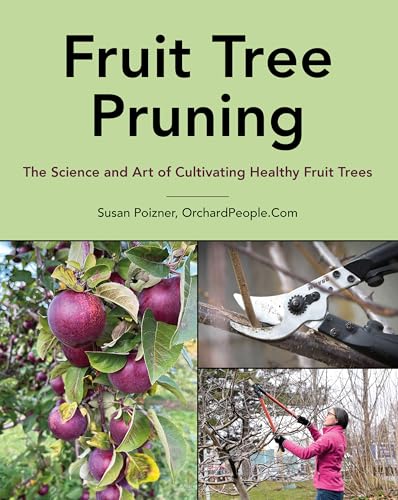

PROFESSIONAL GARDENING GRAFTING TOOLS: Including 2 in 1 grafting pruning tools, 3 replaceable blades, a grafting knife, a screwdriver, a wrench, 2 grafting films, 160 rubber bands, 40 wide rubber bands, and 50 colorful tag cards
Tree Type Considerations
Different fruit trees require specific pruning times.
- Apple Trees: Prune in late winter to early spring. This timing enhances new growth and fruiting.
- Cherry Trees: Late winter is best, as they can bleed sap if pruned too early.
- Peach Trees: Prune in late winter to encourage robust blooms. This timing maximizes fruit yield.
Recognizing the unique needs of each tree type ensures effective pruning.
Weather Conditions
Weather conditions play a crucial role in pruning decisions.
- Frost Risk: Avoid pruning during periods of late frost that might damage new growth.
- Wet Conditions: Pruning during rainy periods increases fungal infection risks. Choose dry days for maintenance.
- Temperature Fluctuations: Extreme cold can harm freshly pruned trees. Wait until temperatures stabilize above freezing to proceed.
Monitoring weather forecasts helps determine the safest pruning times for optimal results.
Signs It’s Time to Prune
Recognizing when to prune your fruit trees is crucial for maintaining their health and productivity. Several signs indicate that it’s time to grab your tools and get to work.
Recommended Products
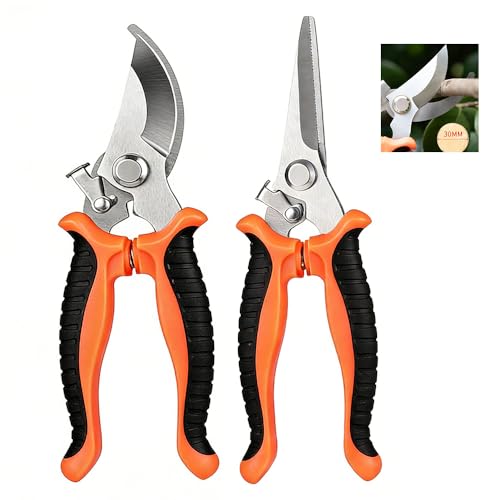
Essential Gardening Tool: This garden pruning shear is specially designed for light cutting tasks. Its blade body is treated with a special craft for smooth, consistently sharp cuts. Equipped with a high-elasticity spring, it opens and closes effortlessly for easy operation.
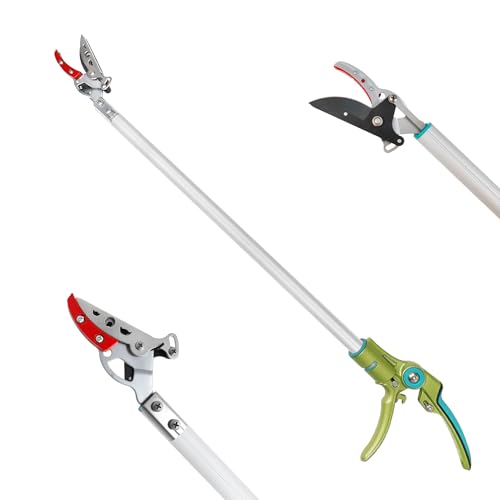
[REACH HIGH & STAY SAFE](No Ladder Required) Say goodbye to wobbly ladders! This 32inch long reach pole pruner offers an extra 30 inches of safe reach, allowing you to prune high branches or tall fruit trees while standing firmly on the ground. It’s the perfect extension tool for maintaining your backyard without the risk of falling.

Dead or Diseased Branches
Look for branches that appear brown, brittle, or show signs of disease. Dead or diseased branches should get removed immediately to prevent the spread of infection to healthy parts of the tree. Check for blackened tips, unusual growths, or cankers that indicate disease. Pruning these branches not only improves air circulation but also allows the tree to focus energy on healthier sections, promoting better fruit production.
Overcrowded Canopy
Examine the tree’s canopy. If it looks crowded or tangled, it’s time to prune. Overcrowded branches hinder sunlight penetration and airflow, increasing the risk of pests and diseases. Thin out branches that cross over each other or grow towards the center. Focus on removing weaker branches and those that create intersection points. By achieving a well-structured canopy, you enhance the overall health and yield of the tree.
Conclusion
Pruning your fruit trees in Zone 6 is all about timing and technique. By focusing on late winter or early spring for your main pruning sessions you can set your trees up for healthy growth and a bountiful harvest. Remember to keep an eye on weather conditions and specific needs of your tree varieties.
Look for signs like dead branches or crowded canopies to guide your pruning decisions. With a little attention and care your fruit trees can thrive and reward you with delicious fruit for years to come. Happy pruning!
Frequently Asked Questions
When is the best time to prune fruit trees in Zone 6?
The best time to prune fruit trees in Zone 6 is during late winter to early spring, specifically from late February to early March. Pruning during this dormant period reduces the risk of sap bleeding and frost damage.
What are the main purposes of pruning fruit trees?
Pruning serves several purposes: it promotes healthy growth by removing dead or diseased branches, improves sunlight exposure for better fruit ripening, enhances airflow to reduce fungal disease risks, and helps shape the tree for easier management.
What are some common pruning techniques for fruit trees?
Common pruning techniques include thinning (removing crowded branches), heading (shortening branches), sucker removal (cutting off unwanted shoots), and crown raising (lifting the canopy). Each technique helps improve air circulation and light penetration.
How often should fruit trees be pruned?
Fruit trees should typically be pruned annually. Late winter or early spring is ideal for most species, but specific trees may have different needs, so it’s essential to research individual tree types.
What factors influence the timing of pruning fruit trees?
Factors that influence pruning timing include the type of fruit tree, local climate conditions, weather forecasts, and the presence of dead or diseased branches. Monitoring these variables helps ensure effective pruning.
What signs indicate it’s time to prune fruit trees?
Signs that indicate it’s time to prune include dead or diseased branches, overcrowded canopies, and branches that cross or rub against each other. Addressing these issues promptly promotes tree health and productivity.
Can summer pruning be beneficial for fruit trees?
Yes, summer pruning can be beneficial for controlling tree size and shape during active growth. It’s recommended for late June to July and involves lighter cuts to promote sunlight exposure while avoiding excessive foliage removal.
