

Growing Mulberry Trees in Rhode Island requires attention to the unique coastal soil conditions. Proper soil preparation and care can lead to healthy trees that thrive in this environment. Understanding the specific needs of mulberry trees will ensure successful growth and fruit production.
Coastal Soil Challenges for Mulberry Cultivation
Coastal soil in Rhode Island presents unique challenges for growing mulberry trees. These soils often have high salinity and can be sandy or rocky, affecting water retention and nutrient availability. Proper assessment and amendment of the soil are crucial for optimal growth.
Recommended Products

Quick, at home results for Soil pH, Nitrogen, Phosphorous and Potash Innovative and inexpensive soil test kit features an easy-to-use capsule system and patented color comparators

KNOW BEFORE YOU GROW | Grow the healthiest, sustainable lawn and garden with the most accurate and easy to use professional soil test kit on the market

Comprehensive Soil Analysis: Liquid soil test kits offer a comprehensive analysis of essential soil parameters, including pH, ammonia, nitrogen, phosphorus, and potassium. Having all these measurements in one kit provides a holistic understanding of the soil's fertility and health.
Rhode Island Mulberry Soil Testing Techniques
Understanding the soil composition is crucial for successfully growing mulberry trees in Rhode Island’s unique coastal environment. This section delves into effective soil testing techniques that can help determine the nutrient levels and pH balance necessary for optimal mulberry growth. By assessing soil conditions, you can make informed decisions to enhance tree health and productivity.
Conducting a soil test is essential for determining pH levels and nutrient content. Use a reliable testing kit to analyze the following:
pH levels
Nitrogen content
Phosphorus levels
Potassium levels
| Soil Component | Ideal Range |
|---|---|
| pH | 6.0 – 7.0 |
| Nitrogen | 10-20 ppm |
| Phosphorus | 20-30 ppm |
| Potassium | 100-150 ppm |
Coastal Soil Amendments for Mulberry Growth
Growing mulberry trees in Rhode Island requires an understanding of the unique coastal soil conditions that can affect their health and productivity. Coastal soils often present challenges such as salinity and drainage issues, making it essential to implement specific amendments. This section will explore effective strategies to enhance soil quality for optimal mulberry growth in this region.
After testing, amend the soil to create a suitable environment for mulberry trees. The following amendments can enhance soil quality:
Organic compost to improve nutrient content
Gypsum to reduce salinity
Peat moss for better moisture retention
Incorporate these amendments into the top 12 inches of soil. This will create a nutrient-rich layer for root development.
Coastal Mulberry Varieties for Rhode Island
When selecting mulberry varieties for Rhode Island’s coastal regions, it’s essential to consider the unique soil conditions and climate influences. Certain mulberry types thrive better in this environment, offering both resilience and fruitful yields. Understanding these varieties can help gardeners make informed choices for successful cultivation.
Choosing the correct mulberry variety is vital for success in coastal Rhode Island. Different varieties have varying tolerances to soil conditions and climate. Consider these popular options:
White Mulberry: Tolerates a range of soil types and is less susceptible to pests.
Black Mulberry: Prefers well-drained soils but can adapt to coastal conditions.
Red Mulberry: Thrives in rich, moist soils but may require more care in sandy conditions.
Mulberry Tree Planting Methods in Coastal Soil
Planting mulberry trees in Rhode Island’s coastal soil requires careful consideration of both the unique environmental conditions and the specific needs of the trees. Understanding the best methods for planting will ensure healthy growth and fruitful yields. This section explores effective techniques tailored to the challenges of coastal soil, helping you establish thriving mulberry trees in your garden.
Proper planting techniques can significantly impact the growth of mulberry trees. Follow these steps for successful planting:
Select a site with full sun exposure.
Dig a hole twice as wide as the root ball and the same depth.
Place the tree in the hole, ensuring the top of the root ball is level with the soil surface.
Backfill with amended soil and water thoroughly.
Mulberry Tree Watering Techniques
Proper watering techniques are essential for the successful growth of mulberry trees in Rhode Island’s coastal soil. Given the unique challenges posed by the local climate and soil conditions, understanding how to effectively manage water supply can significantly enhance tree health and fruit production. This section outlines key strategies to ensure your mulberry trees thrive.
Regular watering is essential, especially during dry spells. Mulberry trees require consistent moisture for healthy growth. Implement the following practices:
Water deeply once a week during dry periods.
Mulch around the base to retain moisture and suppress weeds.
Monitor for signs of overwatering, such as yellowing leaves.
Recommended Products
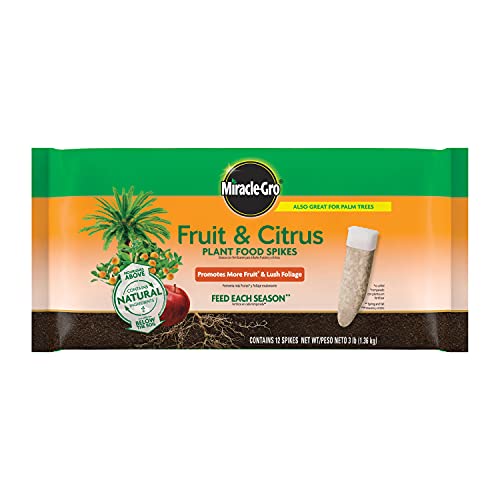
FORMULATED FOR CITRUS AND FRUIT TREES: Use these citrus fertilizer spikes on apple, orange, lemon, lime, and avocado trees; this formula is also great for feeding palm trees

STEADY NUTRITION: Experience Wellspring Gardens’ 20-6-9 Slow-Release Fertilizer, designed to deliver consistent nutrients over time, promoting the development of strong, healthy plants and trees.

Package contains 4 Pounds organic fruit and citrus fertilizer grains and is produced to avoid wasteful runoff, mess, hazards and smells
Mulberry Tree Fertilization Timing and Tips
Fertilizing mulberry trees at the right time is crucial for their growth and fruit production, especially in Rhode Island’s coastal soil conditions. Understanding when and how to apply nutrients can significantly enhance the health and yield of these trees. This section provides essential timing and tips for effective fertilization tailored to the local environment.
Mulberry trees benefit from a balanced fertilization schedule. Use a slow-release fertilizer formulated for fruit trees.
Apply in early spring and again in late summer. Follow these guidelines:
Spring application: 1 pound of fertilizer per tree.
Late summer application: 0.5 pounds of fertilizer per tree.
Coastal Mulberry Pest Control Strategies
Managing pests is crucial for the successful growth of mulberry trees in Rhode Island’s coastal regions. The unique environmental conditions can attract specific pests that threaten the health of these trees. Understanding effective pest control strategies tailored to this area will help ensure robust growth and abundant fruit production.
Pest and disease issues can affect mulberry trees, especially in coastal areas. Regular monitoring is crucial. Common pests include:
Spider mites: Look for webbing and stippling on leaves.
Scale insects: Check for sticky residue on leaves.
Implement integrated pest management strategies, such as:
Encouraging beneficial insects like ladybugs.
Applying insecticidal soap for severe infestations.
Recommended Products

Bonide Liquid Insecticidal Soap 12 oz.88
Mulberry Tree Disease Identification
Identifying diseases in mulberry trees is crucial for maintaining their health and productivity, especially in Rhode Island’s unique coastal soil conditions. Understanding the common ailments that affect these trees can help gardeners take proactive measures to ensure robust growth and fruit production. This section will explore key disease indicators and management strategies tailored for local conditions.
Mulberry trees can suffer from several diseases, including:
Powdery mildew: A fungal disease that appears as white powder on leaves.
Root rot: Caused by overwatering or poorly drained soils.
Ensure proper spacing for air circulation and avoid overhead watering to minimize disease risk.
Coastal Mulberry Care and Management Tips
Growing mulberry trees in Rhode Island requires careful attention to coastal soil conditions. Understanding the unique challenges posed by this environment can help ensure healthy growth and fruitful yields. The following tips focus on effective care and management strategies tailored specifically for mulberry cultivation along the coast.
Monitor soil conditions regularly and adjust care practices as needed. Be proactive in pest and disease management to ensure healthy trees.
Growing mulberry trees in Rhode Island’s coastal soil can be rewarding with the right knowledge and practices.
