

Have you ever wondered what to put around the base of your fruit trees? You’re not alone. Many gardeners face the challenge of maintaining healthy trees while also enhancing their garden’s beauty. The right materials can make a world of difference in promoting growth and keeping pests at bay.
In this article, you’ll discover practical tips and effective solutions for creating a thriving environment around your fruit trees. From mulch to ground cover, each option offers unique benefits that can help your trees flourish. Get ready to transform your garden into a vibrant oasis that not only looks great but also supports your fruit trees’ health.
Key Takeaways
- Ground Cover Benefits: Utilizing ground cover around fruit trees promotes weed suppression, moisture retention, temperature regulation, pest deterrence, and enhances garden aesthetics.
- Soil Health Impact: Ground cover improves soil structure, supports nutrient cycling, prevents erosion, and encourages beneficial microbial activity, ultimately aiding fruit tree health.
- Common Ground Cover Materials: Organic options like wood chips, straw, and compost enrich soil, while inorganic choices like gravel and landscape fabric provide long-lasting benefits and weed control.
- Choosing the Right Ground Cover: Consider tree type, sunlight exposure, maintenance level, climate, and soil type to select an appropriate ground cover that supports your fruit trees’ growth.
- Maintenance Practices: Regular watering, seasonal care adjustments, and monitoring of ground cover help maintain effectiveness, ensuring a thriving environment for fruit trees.
Importance Of Ground Cover Around Fruit Trees
Ground cover around fruit trees plays a vital role in promoting tree health and aesthetics. Implementing the right materials enhances protection and fosters a thriving garden environment.
Benefits Of Ground Cover
Ground cover provides several key advantages for fruit trees:
- Weed Suppression: Ground cover prevents weeds from competing with fruit trees for nutrients and water, ensuring your trees receive adequate resources.
- Moisture Retention: Covering the soil base helps retain moisture, reducing the need for frequent watering and supporting tree health during dry spells.
- Temperature Regulation: Ground cover stabilizes soil temperature, shielding tree roots from extreme heat or cold fluctuations.
- Pest Deterrence: Certain ground cover plants repel pests and attract beneficial insects, creating a natural protective barrier around your trees.
- Aesthetics: Well-chosen ground cover enhances visual appeal, adding beauty and structure to your garden while framing the trees.
Impact On Soil Health
Ground cover significantly impacts soil health by improving its structure and fertility. Here’s how it benefits the soil:
- Nutrient Cycling: Organic ground cover materials break down over time, enriching soil with essential nutrients that fruit trees thrive on.
- Soil Erosion Prevention: Covering the soil surface reduces erosion from rainfall and wind, retaining valuable topsoil crucial for tree growth.
- Microbial Activity: Ground cover encourages beneficial microbial activity, helping decompose organic matter and promoting a healthy soil ecosystem.
- Improved Soil Structure: Diverse root systems from ground cover plants enhance soil aeration and drainage, creating a better environment for fruit tree roots.
Selecting the right ground cover enhances both the health of your fruit trees and the overall ecosystem of your garden.
Common Materials For Ground Cover
Ground cover around fruit trees can enhance health and aesthetics. Here are some common materials to consider.
Recommended Products

Natural Cedar; Use with your outdoor and indoor plants; will hold moisture in! THIS IS A 4 QUART SIZE OF CEDAR CHIPS

PREMIUM RED MULCH: Vibrant red wood chip mulch colored with non-toxic dye that is safe for soil, pets, and plants, enhancing the visual appeal of gardens and landscapes

BEAUTIFUL SOIL COVERING - Add visual consistency to your indoor potted plant garden with house plant mulch - Mulch chips are longer lasting than coconut coir or shavings
Organic Mulches
Organic mulches include materials derived from plant or animal sources. These mulches break down over time, enriching the soil.
- Wood Chips: Available in various sizes, wood chips provide excellent moisture retention and suppress weeds effectively.
- Straw: Straw offers a lightweight option for moisture retention. It’s particularly beneficial for young trees, providing insulation while allowing air and water to reach the roots.
- Grass Clippings: Use fresh, dry grass clippings or composted clippings for a nutrient-rich layer that helps retain soil moisture and adds nitrogen as it decomposes.
- Compost: Applying a layer of compost boosts soil health. It introduces essential nutrients and improves soil structure.
Inorganic Mulches
Inorganic mulches consist of non-biodegradable materials. They provide long-lasting coverage that helps manage weeds and conserve moisture.
- Rock or Gravel: These materials are durable and provide excellent drainage. They work well in warmer climates but may increase soil temperature, so consider this factor.
- Landscape Fabric: Used under mulch, landscape fabric allows water and air to penetrate while blocking weed growth, though it may require replacement after a few years.
- Rubber Mulch: Made from recycled tires, rubber mulch lasts longer than organic options. It provides good weed control and reduces soil erosion but lacks nutritional benefits for the soil.
Choose the right ground cover material based on your fruit tree needs and local conditions.
Choosing The Right Ground Cover
Selecting the ideal ground cover around your fruit trees plays a crucial role in their health and overall garden aesthetics. The right choice can foster growth, deter pests, and create a vibrant landscape.
Recommended Products

PACKAGE: The package includes 4Pcs plant covers,will meet your daily use or replacement. Measuring 31.5" x 47.3", the plant protector is waterproof, windproof.


Factors To Consider
When choosing ground cover, consider several important factors:
- Tree Type: Different fruit trees have distinct needs. Understand your tree’s growth habits and nutrient requirements before deciding on ground cover.
- Sunlight Exposure: Choose ground cover that matches the sunlight conditions in your garden. Shade-tolerant varieties suit trees planted in less sunny areas.
- Maintenance Level: Some ground covers require frequent upkeep. Opt for low-maintenance options if you prefer to minimize your gardening tasks.
- Pest Control: Consider ground covers that repel pests or attract beneficial insects. This can enhance the ecosystem around your fruit trees.
Climate And Soil Type
Your local climate and soil type play vital roles in your ground cover selection.
- Climate: In warmer regions, drought-resistant covers like clover or creeping thyme thrive. For cooler areas, explore options like wintergreen or violets, which endure frost.
- Soil Type: Assess your soil’s drainage and nutrient content. Heavy clay soils benefit from covers that enhance drainage, while sandy soils may necessitate plants that help with moisture retention.
Evaluate these factors carefully to ensure a flourishing environment for your fruit trees.
Maintenance Tips For Ground Covers
Ground covers around fruit trees enhance health and aesthetics. Maintaining these covers helps promote their benefits and contributes to your garden’s overall success.
Recommended Products

The 24-inch (2 ft) DEEP DRIP Watering Stake delivers water and nourishes trees, including fruit, flowering, nut, and growing trees; right at the roots!
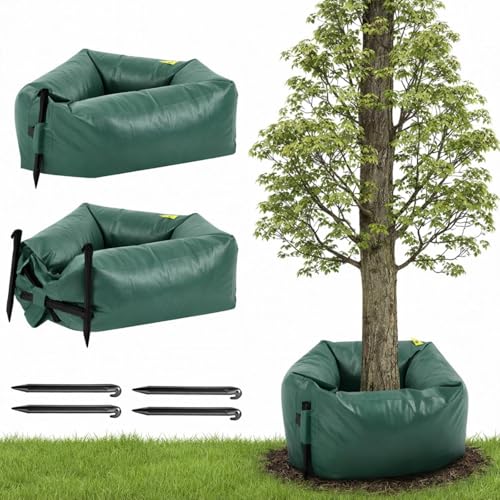
Adjustable for Tree Trunk Diameter: the irrigation bag has two ground insertion slots on both sides, allowing you to adjust the inner diameter according to the trunk thickness; Sturdy handles at both ends maximize the adjustment range and facilitate lifting, installation, and position adjustment; A ground plug allows for direct insertion into the soil to prevent tipping or displacement, ensuring a stable and smooth dripping process

Premium G-Type Micro Sprinkler Heads:These G-type micro sprinkler heads are made of premium material, with strong compression proof, corrosion proof, lightweight and wear-proof, which can work for a long time
Watering Guidelines
Water ground covers based on their specific needs, soil type, and climate conditions. In general, young ground covers require more frequent watering to establish roots. Here are some tips:
- Check Soil Moisture: Use your fingers to check if the soil is dry up to two inches deep. Water if it’s dry.
- Aim for Deep Roots: Water deeply but less often to encourage root growth. This method helps ground covers better withstand drought.
- Use Drip Irrigation: Install drip hoses or soaker hoses around your fruit trees. This system provides consistent moisture directly to the soil.
Seasonal Care
Seasonal care keeps ground covers healthy year-round. Adjust your maintenance routine based on the seasons:
- Spring: Remove any dead leaves or debris from the base of fruit trees. This action prevents pests and diseases.
- Summer: Monitor moisture levels, especially in hot weather. Shading ground covers also aids in moisture retention.
- Fall: Trim back overgrown ground covers. This practice promotes air circulation and helps prevent mold.
- Winter: Mulch around ground covers to insulate roots and retain moisture as temperatures drop.
By following these maintenance tips, you ensure the longevity and effectiveness of your ground covers, supporting the health of your fruit trees.
Conclusion
Taking the time to choose the right materials around the base of your fruit trees can make a world of difference. By selecting effective ground covers and mulches you not only boost the health of your trees but also enhance the beauty of your garden.
Remember to consider factors like your local climate and the specific needs of your trees when making your choice. With a little maintenance and care your fruit trees will thrive and provide you with bountiful harvests for years to come. Enjoy creating a vibrant and healthy environment for your garden!
Frequently Asked Questions
What ground cover is best for fruit trees?
The best ground cover for fruit trees includes organic options like wood chips, straw, and grass clippings, which enrich the soil and retain moisture. Inorganic choices like gravel and landscape fabric can also work, but they won’t provide nutrients. Consider your tree type and local conditions before selecting the right ground cover.
How does ground cover benefit fruit trees?
Ground cover enhances fruit tree health by suppressing weeds, retaining moisture, regulating soil temperature, deterring pests, and improving soil health. It also boosts nutrient cycling and prevents soil erosion, ensuring a thriving ecosystem for your fruit trees.
Can I use mulch around my fruit trees?
Yes, mulch is an excellent option for fruit trees. Organic mulches like straw and wood chips decompose over time, adding nutrients to the soil while retaining moisture and regulating temperature. Make sure to apply mulch appropriately to avoid moisture retention issues.
How often should I maintain ground cover around fruit trees?
Ground cover should be checked regularly, ideally every season. During spring and summer, ensure it retains moisture and suppresses weeds. In fall, remove any debris, and in winter, monitor for frost damage. Regular maintenance keeps ground covers healthy and effective.
What factors should I consider when choosing ground cover?
When selecting ground cover, consider the type of tree, sunlight exposure, maintenance needs, and local climate. Soil conditions and pest management are also important. Choosing the right ground cover creates a better environment for your fruit trees to thrive.
