

Have you ever dreamed of picking fresh fruit right from your backyard? Growing a fruit tree can turn that dream into reality, but it can feel overwhelming if you’re not sure where to start.
Imagine standing under a tree laden with ripe, juicy peaches or crisp apples, knowing you nurtured it from a tiny seedling. This article will guide you through the essential steps to successfully grow your own fruit tree, from selecting the right variety to caring for it as it flourishes. You’ll gain the confidence to create your own little orchard and enjoy the sweet rewards of your hard work.
Key Takeaways
- Choose Wisely: Select fruit trees suited to your local climate, hardiness zone, and available space to ensure successful growth and a bountiful harvest.
- Prepare the Site: Properly prepare the planting site by ensuring adequate sunlight, good drainage, and suitable soil pH and composition to foster healthy root development.
- Adopt Best Planting Practices: Follow correct planting techniques, such as digging an appropriate-sized hole, properly positioning the tree, and ensuring thorough watering post-planting.
- Maintain Regular Care: Regular maintenance, including watering, mulching, and pruning, is crucial for the long-term health and productivity of your fruit tree.
- Monitor for Pests and Diseases: Keep an eye out for signs of pests and diseases, and use natural remedies or cultural practices to manage any issues that arise.
- Know When to Harvest: Familiarize yourself with the signs of ripeness specific to your fruit type to ensure optimal flavor and quality during harvest.
Choosing the Right Fruit Tree
Choosing the right fruit tree sets the foundation for a successful harvest. Consider the tree’s type and your local climate for optimal growth.
Recommended Products

COLD-HARDY FRUIT - Chicago Hardy Fig is known for its ability to withstand colder temperatures, producing sweet figs even in USDA zones 5–10
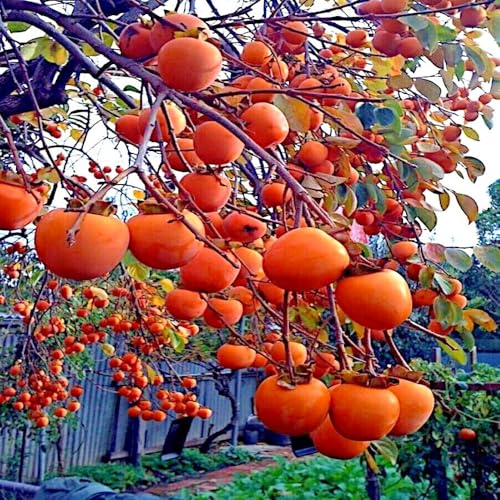
Cold Hardiness: Cold hardy Diospyros seeds survive temperatures down to 10°F once established; Suitable for growing in USDA zones 7-10; More tolerant of temperature fluctuations than many other fruit trees

Versatile Fruit Use: The plums produced can be eaten fresh as a snack and are well-suited for home kitchen projects like creating preserves, jams, and baked goods.
Types of Fruit Trees
- Deciduous Trees: These trees lose their leaves in the fall. Examples include apple, pear, and cherry trees. They require a chilling period for fruiting.
- Evergreen Trees: These trees retain their leaves year-round. Examples include citrus and guava. They thrive in warmer climates and provide fruits with less seasonal variation.
- Semi-Dwarf Trees: These trees grow smaller than standard trees. Examples include peach and plum trees. They fit well in smaller spaces while still producing ample fruit.
- Standard Trees: These trees grow to their full height. Examples include large apple and pear varieties. They require more space but often yield more fruit.
- Hardiness Zone: Identify your USDA hardiness zone. Trees suited to your zone thrive best. Check the specific temperature ranges for each zone.
- Sunlight: Ensure your tree gets full sun exposure. Most fruit trees need 6-8 hours of sunlight daily for optimal growth.
- Soil Type: Evaluate your soil for drainage and nutrient content. Loamy soil with good drainage promotes healthy root systems.
- Humidity Levels: Consider local humidity. Citrus trees prefer higher humidity, while others may tolerate drier conditions.
Selecting the right fruit tree involves recognizing these factors. Doing so leads to richer yields and greater enjoyment of your homegrown fruits.
Preparing for Planting
Preparing for planting is crucial for the success of your fruit tree. This stage focuses on choosing the right spot and ensuring the soil is suitable for growth.
Recommended Products

Accurate Soil pH Testing: Dewildetradingco Soil pH Test Strips offer measurements of soil pH levels (pH 3.5-9). As an essential tool for every gardener and grower, these test strips help determine the optimal pH for various plants, such as outdoor plants, indoor plants, gardens, grass lawns, fruit trees, flowers, vegetables, and forest shrubs.

KNOW BEFORE YOU GROW | Grow the healthiest, sustainable lawn and garden with the most accurate and easy to use professional soil test kit on the market

Kindly NOTE: This soil tester can not be applied to test pH value of any other liquid. If the soil is too dry the indicator will not move, and water it before testing.
Selecting the Location
Select a location that receives at least six to eight hours of sunlight daily. Look for areas with good air circulation to prevent diseases. Avoid spots close to large trees, as they can compete for nutrients and water. Verify the drainage; fruit trees thrive in well-drained areas. Mark the planting site to picture how it fits into your landscape and ensure enough space for the tree to spread.
Soil Preparation Techniques
Test the soil pH using a soil kit. Fruit trees prefer a pH level between 6.0 and 7.0. Add lime to raise pH or sulfur to lower it if needed. Clear the area of weeds, grass, and debris to reduce competition. Loosen the soil at least 12 inches deep; this helps roots establish. Incorporate organic matter, such as compost or well-rotted manure, to enhance soil fertility.
Level the planting site to ensure even water distribution. If your soil is heavy clay or sandy, consider creating a mound to provide better drainage. Water the area thoroughly before planting; this helps settle the soil and prepares it for the tree. Following these steps prepares your site for healthy growth and productive yields.
Planting Your Fruit Tree
Planting a fruit tree requires careful attention to detail. Follow these steps to ensure a successful start for your tree.
Recommended Products
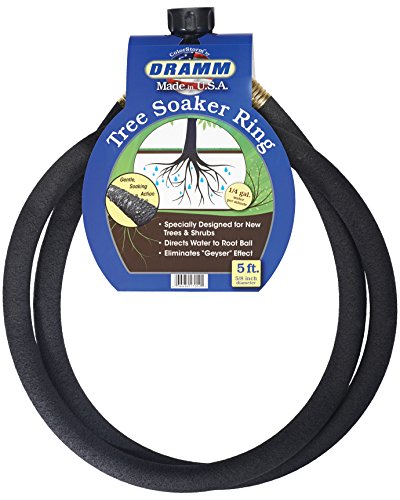
Thoroughly waters using 90% less water than conventional watering

Compact length for targeted watering around tree trunks and shrubs. Easy to wrap without excess hose, preventing tangling. Perfect for single trees, small shrub beds, or potted plants.

GENTLE WATERING: Disperses water into a soft, even flow to protect delicate plants, seedlings, and soil from erosion and washout
Steps for Successful Planting
- Dig the Hole: Dig a hole that’s twice as wide as the root ball and as deep as the root system. This gives the roots room to expand.
- Prepare the Roots: Inspect the roots. If they’re tightly bound, gently loosen them. Trim any damaged roots before placing the tree in the hole.
- Position the Tree: Place the tree in the center of the hole. Ensure that the graft line, where the trunk meets the root system, sits just above soil level.
- Backfill the Hole: Fill the hole with a mix of native soil and organic compost. Pack the soil gently to remove air pockets.
- Water Thoroughly: Water the tree deeply after planting. This helps settle the soil and provides moisture to the roots.
- Establish a Watering Schedule: Water your tree weekly, providing about 1 to 2 inches of water. Adjust frequency based on rainfall and temperature.
- Use Soaker Hoses: Soaker hoses deliver water directly to the roots and conserve moisture. Lay them around the tree drip line for even hydration.
- Apply Mulch: Add 2 to 4 inches of organic mulch, like wood chips or straw, around the base. Keep mulch away from the trunk to prevent rot.
- Monitor Soil Moisture: Check the soil moisture by digging a few inches near the tree. If it feels dry, increase watering.
Implementing these steps sets a strong foundation for your fruit tree. Establishing proper planting and care routines allows your tree to thrive and rewards you with bountiful harvests.
Caring for Your Fruit Tree
Caring for your fruit tree involves regular maintenance to ensure its health and productivity. Focus on pruning, pest management, and general care to enjoy abundant harvests.
Pruning Practices
Pruning helps shape your tree and encourages healthy growth. Start by removing dead or damaged branches, which can attract pests.
- Timing: Prune during late winter or early spring before new growth starts.
- Technique: Use sharp, clean tools to make clean cuts. Trim branches back to just above a bud facing outward to promote an open canopy.
- Maintenance: Thin out crowded areas to improve air circulation. Aim for a balanced shape to let sunlight reach all parts of the tree.
Regular pruning encourages better fruit quality and larger yields while maintaining the tree’s overall health.
Pest and Disease Management
Pest and disease control protects your fruit tree and promotes a healthy harvest. Follow these practices to prevent and manage issues:
- Monitoring: Regularly check leaves and fruit for signs of pests, such as holes or sticky residue. Early detection helps in managing infestations.
- Natural Remedies: Use insecticidal soap or neem oil to treat pests. These products are effective and minimize harm to beneficial insects.
- Cultural Practices: Maintain cleanliness around the base of the tree to remove fallen fruit and leaves. Debris can harbor pests and disease.
- Companion Planting: Grow certain plants, like marigolds or garlic, nearby to deter pests naturally.
Implementing these strategies keeps your fruit tree thriving and productive.
Harvesting Your Fruits
Harvesting your fruits marks the culmination of your efforts in growing a fruit tree. Understanding the right timing and technique helps ensure a bountiful and flavorful yield.
Identifying Ripeness
Identifying ripeness is crucial for harvesting quality fruit. Look for these signs for various types of fruits:
- Color: Pay attention to the fruit’s color. For example, apples should display a vibrant hue, while peaches turn from green to a warm yellow or blush.
- Texture: Feel the fruit’s firmness. Ripe pears yield slightly to gentle pressure, and tomatoes feel soft, not squishy.
- Aroma: Note the scent. Ripe strawberries emit a sweet fragrance, signaling readiness for picking.
- Seed Visibility: Check seeds. Some fruits, like watermelon, display visible seeds or become darker in the flesh as they ripen.
Always refer to specific guidelines for individual fruit types, as ripeness criteria may vary.
Best Practices for Picking
Best practices for picking ensure that you harvest fruit efficiently and without damage. Follow these tips:
- Use Clean Tools: Always use clean, sharp tools like pruning shears to prevent injury to both the fruit and the tree.
- Support the Fruit: Gently hold the fruit while twisting or cutting it from the branch. Avoid yanking, which can harm the tree.
- Harvest in the Morning: Pick fruits early in the day. This practice keeps them cooler and helps maintain freshness.
- Handle with Care: Place harvested fruits in shallow containers to avoid crushing. Keep fruits out of direct sunlight to prolong quality.
- Wash Before Storing: Rinse fruits gently before storing. This action removes dirt and prepares them for storage or immediate consumption.
By following these tips, you maximize your harvest’s quality and enjoy the fruits of your labor.
Conclusion
Growing your own fruit tree is a journey filled with joy and satisfaction. You’ve taken the steps to choose the right variety and prepare your garden for success. With a little patience and care your tree will flourish and reward you with delicious fruits.
Remember to keep up with regular maintenance and stay alert for any signs of pests or diseases. Each season brings new opportunities to learn and improve your gardening skills.
Soon enough you’ll be enjoying the fruits of your labor right from your backyard. So grab your gardening gloves and get ready to savor the sweet rewards of your hard work. Happy gardening!
Frequently Asked Questions
What are the benefits of growing a fruit tree in my backyard?
Growing a fruit tree in your backyard provides fresh, organic fruit right at your doorstep. It can save you money, enhance your garden’s beauty, and contribute to a sustainable lifestyle. Additionally, the experience of nurturing the tree and harvesting its fruit can be incredibly rewarding and enjoyable.
How do I choose the right fruit tree for my climate?
To choose the right fruit tree, consider your local climate, USDA hardiness zone, and sunlight exposure. Research varieties suited to your specific conditions, including soil type and humidity levels. This ensures better growth, richer yields, and a more satisfying growing experience.
What preparations are needed before planting a fruit tree?
Before planting, select a sunny spot with well-drained soil that receives 6-8 hours of sunlight daily. Test soil pH, clear competition, loosen the soil, and mix in organic matter for nutrition. Proper preparation is key to establishing a healthy environment for your tree.
What steps should I follow for planting a fruit tree?
When planting, dig a hole twice as wide as the root ball. Loosen tightly bound roots, position the tree correctly, and backfill with a mix of native soil and organic compost. Water thoroughly after planting, and establish a consistent watering schedule for best results.
How do I care for my fruit tree after planting?
Ongoing care involves regular practices like pruning, pest management, and monitoring growth. Prune at the right time, check for pests, and use natural remedies to maintain tree health. Applying mulch and ensuring proper watering and air circulation are also essential for productivity.
How can I tell when my fruit is ripe for harvesting?
Ripe fruit often shows signs like color change, fragrance, and texture. Different fruits have specific indicators, such as visibility of seeds. Familiarize yourself with the signs for your type of fruit to ensure picking at the perfect time for optimal taste and quality.
