

Wondering when to prune your fruit trees in Western Washington? You’re not alone. Many gardeners face the challenge of timing their pruning just right to ensure healthy growth and a bountiful harvest.
Key Takeaways
- Optimal Pruning Time: The best time to prune fruit trees in Western Washington is during the dormant seasons, specifically from late February to early April, to minimize stress and promote recovery.
- Pruning Techniques: Utilize specific pruning techniques such as heading cuts and thinning cuts tailored to different fruit trees to enhance health and maximize yield.
- Essential Tools: Equip yourself with proper pruning tools, including hand pruners, loppers, and safety gear, to ensure efficient and safe pruning.
- Consider Environmental Factors: Take into account the age of the tree and local weather conditions when determining the right time and method for pruning.
- Avoid Common Mistakes: Prevent over-pruning and timing errors by making selective cuts and waiting for the appropriate window to ensure effective growth and fruit production.
- Tailored Care for Tree Types: Each fruit tree species has unique pruning needs; adjust your approach for apples, pears, cherries, plums, and stone fruits for optimal tree health and fruiting.
Understanding Pruning Basics
Pruning fruit trees requires knowledge and proper techniques. Understanding the basics helps promote healthy growth and fruit production.
Importance of Pruning
Pruning shapes the tree and enhances air circulation, which reduces disease risk. It encourages new growth, allowing trees to produce better fruit yields. Regular pruning removes dead or diseased branches, preventing pests from nesting. Additionally, it helps manage tree size, making harvesting easier and improving access to sunlight. It’s essential to prune during the right seasons for maximum benefits.
Tools Needed for Pruning
Proper tools make pruning easier and more effective. Here’s a list of essential pruning tools:
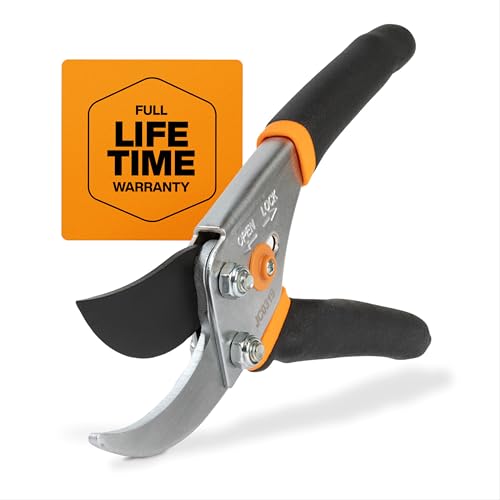
- Hand Pruners: Ideal for small branches, ensuring precise cuts.
- Loppers: Useful for thicker branches, providing extra leverage.
- Pruning Saw: Best for large limbs, offering better cutting power.
- Pole Pruner: Helps reach higher branches without a ladder.
- Bypass Pruners: Allow clean cuts, minimizing damage to living tissue.
- Safety Gear: Protective gloves and eyewear keep you safe from potential injury.
Ensure your tools are sharp and well-maintained before starting. Regular maintenance prevents sap from binding and allows for cleaner cuts, beneficial for the tree’s recovery.
Best Time to Prune Fruit Trees
Pruning fruit trees in Western Washington requires careful timing to encourage healthy growth and maximize fruit production. Knowledge of seasonal patterns helps you decide the right moment for pruning.
Seasonal Pruning Guide
Prune during the dormant seasons: late winter or early spring. These periods allow trees to recover from cuts before vigorous growth begins. Aim for late February to early April, just before buds burst. This timing minimizes stress and optimizes the flow of nutrients.
- Late Winter (February): Ideal for most fruit trees. The cold provides a natural way to minimize pests and diseases.
- Early Spring (March to Early April): Helps trees prepare for the growing season. Look for dry, sunny days to reduce moisture-related risks.
Pruning in summer can help shape trees, but avoid it during extreme heat to prevent stress. Monitor trees closely and prune only what’s necessary to maintain structure.
Specific Timing for Different Fruit Trees
Different fruit trees have unique pruning requirements. Here’s a concise guide:
- Apple Trees: Prune from late winter to early spring. Focus on removing water sprouts and improving air circulation.
- Pear Trees: Follow a similar schedule as apple trees. Prune for shape and to reduce heavy fruit loads.
- Cherry Trees: Prune sweet cherries in late summer or fall. Tart cherries benefit from late winter pruning.
- Plum Trees: Best pruned in late winter. Watch for any dead or crossing branches throughout the year.
- Peach & Nectarine Trees: These trees prefer pruning in late winter. Remove last year’s growth to promote new shoots.
Always consider weather conditions and local climate variations when determining the exact timing. Adjust practices based on specific tree health and growth patterns for optimal results.
Factors to Consider
When pruning fruit trees in Western Washington, several factors impact the timing and technique. Understanding these factors helps you achieve healthier trees and better fruit yields.
Recommended Products


Package Includes: Contents 1 Manual gardening grafting cutter and 2 rolls of 2 sizes of grafting tape, meeting your needs.

★ 1. What you get: Professional convenient grafting tool set including a dual-use grafting pruner tool contain 2 extra replaceable blades, a wrench and a screwdriver, along with 36pcs wide rubber bands, 150 thick rubber bands and 1 grafting tape, packed in a black wallet to meet all your needs
Age of the Tree
Age plays a crucial role in determining when to prune. Young trees require formative pruning to develop a strong structure. Focus on shaping young trees from their first year until about four years old. This process involves selective pruning of branches to encourage a balanced growth form.
Mature trees, typically older than four years, benefit from routine maintenance pruning. This process helps remove dead or diseased wood and promotes airflow. For these trees, aim to prune in late winter or early spring for the best recovery.
Weather Conditions
Weather conditions significantly influence your pruning schedule. Late winter offers mild temperatures, ensuring your trees remain dormant, which reduces stress. Avoid pruning during extreme cold, as this can damage branches.
Spring brings warmth and vigor. Ensure no severe frost is expected before you start pruning. If a frost occurs after pruning, your trees may suffer. Always check local forecasts before setting your pruning date. Aim for dry days as wet conditions increase the risk of spreading diseases.
By keeping these factors in mind, you can optimize your pruning efforts and support the overall health of your fruit trees.
Techniques for Effective Pruning
Proper techniques enhance your fruit tree’s health and productivity. Understanding the types of cuts and tailoring your approach for different species pays off.
Recommended Products

LONG-LASTING SHARPNESS: Japanese SK5 bypass blade with titanium coating is tested through 5,000 cuts to maintain a sharp edge and deliver clean, consistent cuts on live stems and branches
CLEAN CUTS FOR LIVE GROWTH: Bypass blade design is ideal for pruning delicate flower stems and green growth, helping reduce crushing and plant damage while cutting stems and small branches up to 5/8” in diameter
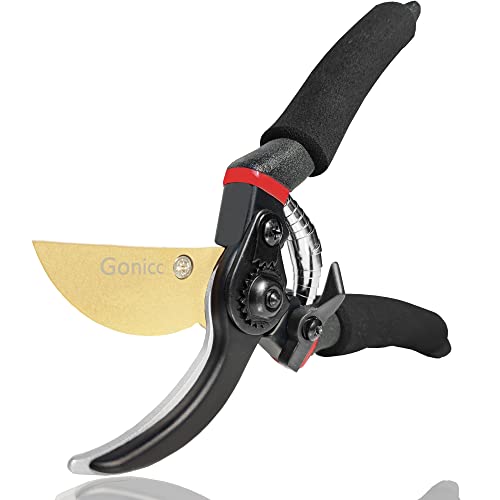
Drop-forged construction delivers exceptional durability and sturdiness for long-term heavy garden use.
Types of Pruning Cuts
- Heading Cuts: Snip back branches to encourage bushier growth. This type of cut shortens stems and stimulates lateral buds.
- Thinning Cuts: Remove entire branches at their point of origin. This reduces density and improves air circulation.
- Pollarding: Cut branches back to a specific height. This method controls tree size and promotes new growth.
- Cleansing Cuts: Eliminate dead, damaged, or diseased wood. Regularly perform these cuts to keep trees healthy.
- Renewal Pruning: Focus on older trees by cutting back older branches. This stimulates younger growth and improves fruit production.
Pruning Techniques for Different Species
Apple Trees: Use heading cuts primarily in early spring. Focus on removing water sprouts and crossing branches to enhance sunlight exposure.
Pear Trees: Perform thinning cuts during late winter. These cuts help maintain a strong framework and improve fruit quality.
Cherry Trees: Apply heading cuts cautiously in late spring. Keep in mind that cherry trees are sensitive to excessive pruning.
Plum Trees: Prioritize thorough cleansing cuts in early spring. This helps reduce diseases like perforating cankers.
Peach and Nectarine Trees: Use both heading and thinning cuts in late winter. This approach encourages a strong tree structure and maximizes fruit production.
Using the right pruning techniques tailored to each type of fruit tree not only promotes healthy growth but also maximizes your harvest. Select the appropriate techniques based on your tree’s specific needs and the timing recommended for your region.
Common Mistakes to Avoid
Many gardeners face challenges while pruning fruit trees. Avoiding common mistakes can enhance your tree’s health and productivity.
Over-Pruning
Over-pruning results from cutting too much of the tree, leading to excessive stress. When you remove more than 25% of the tree’s live branches, it disrupts growth and can lead to sunburn on exposed bark. Focus on selective cuts instead. Prioritize removing dead, damaged, or crossing branches. This method encourages vibrant growth and allows the tree to focus energy where it’s needed most.
Timing Errors
Timing errors often cause poor results. Pruning too early in the spring can harm new buds. Instead, wait until the risk of frost passes. For many fruit trees in Western Washington, late February to early April offers the best window. Conversely, if you prune too late in the season, you might take away the chance for new growth. Monitor your local weather patterns and adjust your schedule accordingly. This ensures trees recover swiftly and thrive in spring.
Conclusion
Pruning your fruit trees at the right time can make all the difference in their health and productivity. By focusing on late winter to early spring for most varieties you set the stage for a fruitful growing season. Remember to tailor your approach based on the specific needs of each tree and keep an eye on local weather conditions.
With the right techniques and tools in hand you’ll be well on your way to enjoying bountiful harvests. Happy pruning and here’s to a thriving orchard in your backyard!
Frequently Asked Questions
When is the best time to prune fruit trees in Western Washington?
The ideal time to prune most fruit trees in Western Washington is from late February to early April. This period allows trees to heal before new growth starts, reducing stress and optimizing nutrient flow.
What are the essential tools needed for pruning fruit trees?
Key pruning tools include hand pruners, loppers, pruning saws, pole pruners, and bypass pruners. Using sharp, well-maintained tools ensures effective pruning and healthier cuts.
How does pruning benefit fruit trees?
Pruning promotes better air circulation, reduces disease risk, encourages new growth, and helps manage tree size for easier harvesting and better sunlight access.
Should I prune young or mature fruit trees differently?
Yes, young trees need formative pruning to establish a strong structure, while mature trees benefit from maintenance pruning to remove dead or diseased wood.
Can I prune fruit trees in the summer?
While summer pruning can shape trees, it should be avoided during extreme heat to prevent stress on the tree. Focus on late winter to early spring for most pruning.
What common mistakes should I avoid while pruning?
Avoid over-pruning by not removing more than 25% of live branches. Always prioritize cuts for dead or damaged wood and be mindful of the timing related to frost risks.
