

Have you ever wondered how long you can expect your apple trees to produce delicious fruit? If you’ve planted an apple tree or are thinking about it, knowing its fruit-bearing lifespan can help you plan for the future.
Key Takeaways
- Apple Tree Lifespan: With proper care, apple trees can bear fruit for several decades, starting around 3 to 5 years after planting.
- Growth Stages: The fruit-bearing process involves several stages: germination, seedling, juvenile, mature, and peak production, each impacting the timeline of fruit availability.
- Types of Apple Trees: Different varieties, including standard, semi-dwarf, and dwarf apple trees, affect fruit production timelines and space requirements.
- Peak Production: Typically occurs between 5 and 15 years of age, where apple trees can yield 50 to 300 apples annually with optimal care.
- Environmental Factors: Sunlight, soil quality, and moisture levels are crucial for healthy apple tree growth and consistent fruit production.
- Maintenance Importance: Regular pruning and fertilization significantly enhance fruit yield and tree longevity, ensuring ongoing productivity throughout the tree’s life.
Understanding Apple Trees
Apple trees are robust plants that can bear fruit for several decades when cared for properly. Knowing the characteristics and needs of these trees helps you maximize their fruit production.
Types Of Apple Trees
Apple trees come in various types, each offering different characteristics. Here are some common varieties:
- Standard Apple Trees: These trees grow tall, often reaching heights of 20–30 feet. They produce large quantities of fruit but require more space.
- Semi-Dwarf Apple Trees: These trees range from 12–20 feet in height. They fit well in smaller gardens and still produce a significant yield.
- Dwarf Apple Trees: Limited to 6–10 feet in height, dwarf apple trees are perfect for small spaces or container gardening. They’re easier to maintain and great for beginners.
Understanding which type of apple tree suits your space and need influences your fruit-bearing timeline.
Growth Stages Of Apple Trees
Apple trees undergo several stages of growth. Each stage affects when and how they bear fruit:
- Germination: Seeds germinate in optimal conditions, typically within 1–3 weeks.
- Seedling: The tree grows as a seedling, typically lasting 1–2 years. During this stage, it establishes roots and develops a sturdy trunk.
- Juvenile Stage: Lasting another 2–5 years, the juvenile stage involves significant growth. Trees start developing the potential for flowering.
- Mature Stage: Apple trees typically reach maturity between 4–6 years. At this point, they begin to produce fruit.
- Peak Production: From 10 to 20 years, the tree reaches its peak production, yielding abundant fruit. Proper care during this time ensures a bountiful harvest.
Being aware of these growth stages helps you set proper expectations for fruit production timelines.
Factors Affecting Fruit Bearing
Several factors influence how long apple trees bear fruit. Understanding these factors helps you maximize your apple harvest.
Recommended Products

🍏 Our Apple Potting Mix is crafted to provide the perfect growing environment for vibrant and healthy apple trees. This premium soil mix ensures your apple trees receive the optimal nutrients, moisture, and aeration needed to thrive, making it ideal for both indoor plants and container gardening.

🍏 Our Apple Potting Mix is crafted to provide the perfect growing environment for vibrant and healthy apple trees. This premium soil mix ensures your apple trees receive the optimal nutrients, moisture, and aeration needed to thrive, making it ideal for both indoor plants and container gardening.

Let our professionally formulated plant food help your fruit tree grow healthy, strong AND abundantly producing
Tree Age
Tree age plays a crucial role in fruit production. Young apple trees generally take 3 to 5 years to start bearing fruit. Peak production usually occurs between 5 and 15 years of age. After this period, fruit quantity may decrease, but older trees can still produce for several decades with proper care. Pruning and maintaining tree health encourages continued fruiting even in mature trees.
Environmental Conditions
Environmental conditions significantly impact fruit bearing. Factors such as sunlight, soil quality, and moisture levels affect apple tree health and productivity. Apple trees require at least 6 to 8 hours of direct sunlight daily. Well-draining soil rich in organic matter supports healthy growth. Additionally, consistent watering during dry spells ensures trees remain hydrated, promoting fruit development. Weather events like frost can also harm blossoms, affecting overall yields.
Typical Fruit Bearing Timeline
Apple trees typically follow a defined timeline for fruit bearing. With the right care, you can expect your trees to provide a fruitful harvest over the years.
First Fruits
Young apple trees usually begin to bear fruit between 3 to 5 years after planting. Dwarf varieties can fruit sooner, while standard trees take a bit longer. You can expect a small number of apples during their initial year of production. This limited yield often serves as a sign of a healthy tree maturing toward greater productivity.
Peak Production Years
Peak production typically occurs between 5 to 15 years of age. During this period, apple trees can produce anywhere from 50 to 300 apples per tree annually, depending on the variety and growing conditions. With optimal sunlight, adequate water, and proper pruning, you maximize your tree’s overall yield. After reaching peak production, apple trees can continue to bear fruit for several decades, often declining gradually after around 20 years. Regular care helps maintain fruiting levels and tree health throughout its lifespan.
Apple Tree Maintenance For Fruit Production
Proper apple tree maintenance directly impacts fruit production and overall tree health. Following best practices optimizes growth and ensures bountiful harvests.
Recommended Products
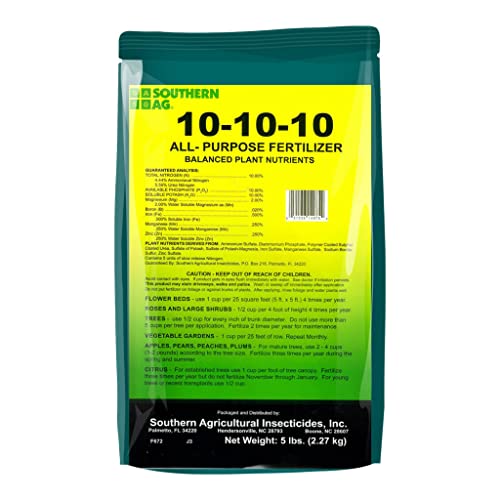

Made for Apple Trees – Formulated to support healthy growth in apple and fruit-bearing trees.
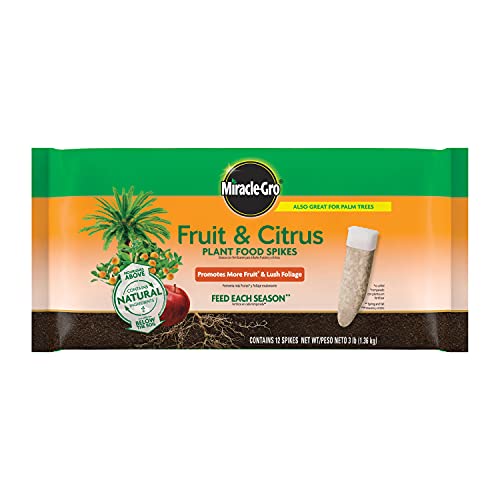
FORMULATED FOR CITRUS AND FRUIT TREES: Use these citrus fertilizer spikes on apple, orange, lemon, lime, and avocado trees; this formula is also great for feeding palm trees
Pruning Techniques
Pruning an apple tree enhances air circulation and light penetration, promoting fruit set and quality. Start pruning in late winter or early spring when the tree is dormant.
- Remove Dead Branches: Eliminate any dead, damaged, or diseased branches to encourage healthy growth.
- Thin Crowded Branches: Cut back branches that rub against each other or create congestion. This helps sunlight reach all parts of the tree.
- Shape the Tree: Maintain an open center shape for better airflow. Aim for a balanced structure to support heavy fruit loads.
Pruning should focus on maintaining a strong framework. This approach not only increases yields but also prolongs the tree’s productive lifespan.
Fertilization Practices
Fertilization plays a crucial role in ensuring your apple tree receives adequate nutrition for optimal fruit production. Apply fertilizer in early spring, shortly before new growth begins.
- Choose the Right Fertilizer: Use a balanced fertilizer with equal parts nitrogen, phosphorus, and potassium. A 10-10-10 fertilizer is a common choice for apple trees.
- Follow Application Guidelines: Apply 1 pound of fertilizer for each year of the tree’s age, up to 10 pounds for mature trees. Spread it evenly around the tree’s drip line.
- Check Soil Quality: Test your soil annually for nutrient levels. Adjust your fertilization strategy based on results, ensuring trees receive necessary nutrients.
Maintaining proper soil health and nutrition extends fruit-bearing years and enhances overall productivity. Consistent fertilization ensures your apple trees thrive throughout their lives.
Conclusion
Growing apple trees can be a rewarding experience that pays off for years to come. With the right care and attention your trees can bear fruit for several decades. By understanding their growth stages and needs you’ll not only enjoy delicious apples but also create a thriving garden space.
Remember that factors like tree age and environmental conditions play a big role in fruit production. Regular maintenance practices like pruning and fertilizing will help keep your trees healthy and productive. So whether you’re just starting out or looking to improve your apple harvests take heart knowing that your efforts can lead to a fruitful future. Happy gardening!
Frequently Asked Questions
How long do apple trees produce fruit?
Apple trees can bear fruit for several decades, with many varieties producing for up to 50 years or more under proper care. Young trees usually start bearing fruit in 3 to 5 years, reaching peak production from 5 to 15 years.
What factors affect apple tree fruit production?
Key factors include tree age, sunlight exposure (6 to 8 hours daily), soil quality, moisture levels, and weather conditions. Good care and maintenance significantly impact overall health and productivity.
When do apple trees start bearing fruit?
Most apple trees begin to produce fruit between 3 to 5 years after planting. Dwarf varieties typically start fruiting sooner compared to standard trees.
What is peak production for apple trees?
Peak production for apple trees occurs between 5 and 15 years of age, with trees capable of producing 50 to 300 apples annually, depending on the variety and growing conditions.
How can I maintain my apple tree for optimal fruit production?
Regular maintenance like pruning in late winter or early spring and using balanced fertilizer in early spring is essential. This helps improve airflow, light penetration, and soil nutrition.
What maintenance practices should I follow?
Focus on pruning to remove dead or crowded branches and ensure good air circulation. Also, fertilize based on tree age and soil quality to promote healthy growth and fruiting.
Can weather affect apple tree yields?
Yes, weather events, especially frost during blooming, can harm blossoms and reduce overall yields. Proper monitoring of weather conditions is vital for effective management.
What type of apple tree is right for my garden?
Consider standard, semi-dwarf, or dwarf varieties based on your space and gardening goals. Dwarf trees are ideal for small gardens, while standard trees suit larger spaces.
