

Growing jujube trees in New Hampshire requires careful selection of varieties and attention to local climate conditions. By choosing the right cultivars and following specific growth techniques, you can successfully cultivate these trees for their sweet, nutritious fruit.
Choosing Hardy Jujube Varieties for New Hampshire
Choosing the appropriate jujube variety is crucial for successful growth in New Hampshire. Some varieties are more suited to colder climates and can withstand the state’s winter temperatures. Look for cultivars that are known for their hardiness and fruit quality.
Li: A popular variety known for its sweet flavor and high yield.
Lang: Another excellent choice, producing large, crisp fruits.
Sugar Cane: Offers a unique taste and is particularly cold-tolerant.
Recommended Products

This plant produces large, round fruits with a crisp texture and sweet apple-like flavor.

This 8-14 inch tall bare root plant arrives well-rooted for planting in your outdoor garden
New Hampshire Climate Impact on Jujube Growth
New Hampshire’s unique climate presents both challenges and opportunities for growing jujube trees. Understanding the regional weather patterns, soil conditions, and seasonal variations is crucial for successful cultivation. This section delves into how these factors influence jujube growth and offers insights tailored to local gardeners.
New Hampshire’s climate features cold winters and warm summers, which can impact jujube growth. Understanding these conditions helps in planning your planting and care strategies.
Temperature: Jujube trees thrive in USDA hardiness zones 5-10. Ensure your planting site is suitable.
Sunlight: Choose a location that receives full sun for most of the day. This is essential for fruit production.
Soil Type: Well-drained soil is crucial. Avoid heavy clay or overly wet areas.
Jujube Tree Planting Site Preparation
Preparing the right planting site is crucial for the successful growth of jujube trees in New Hampshire. This section outlines the essential steps to create an optimal environment, considering factors like soil quality, sunlight exposure, and drainage. By following these guidelines, you can ensure your jujube trees thrive in the unique regional conditions.
Proper site preparation sets the foundation for healthy jujube trees. Follow these steps to ensure optimal growth conditions.
Choose a Location: Select a sunny area with good air circulation.
Test Soil: Conduct a soil test to determine pH and nutrient levels. Aim for a pH between 6.0 and 7.5.
Amend Soil: Add organic matter or compost to improve soil structure and fertility.
Jujube Tree Planting Best Practices
Growing jujube trees in New Hampshire requires careful attention to planting practices that accommodate the region’s unique climate and soil conditions. Understanding the best techniques for planting will ensure healthy growth and fruitful yields. This section outlines essential strategies to help you establish robust jujube trees in your garden.
Planting your jujube trees correctly is vital for their establishment and growth. Follow these guidelines for effective planting.
Spacing: Space trees 10-15 feet apart to allow for their mature size.
Depth: Dig a hole that is twice as wide and as deep as the root ball. Place the tree at the same depth it was in the nursery.
Watering: Water thoroughly after planting to eliminate air pockets and promote root establishment.
Ongoing Care for Jujube Trees
Caring for jujube trees in New Hampshire requires ongoing attention to their unique needs, particularly given the region’s climate. Understanding the specific care techniques can significantly enhance growth and fruit production. This section will delve into the essential practices to ensure your jujube trees thrive year after year.
Ongoing care is necessary to ensure your jujube trees thrive. This includes watering, fertilizing, and pruning.
Recommended Products
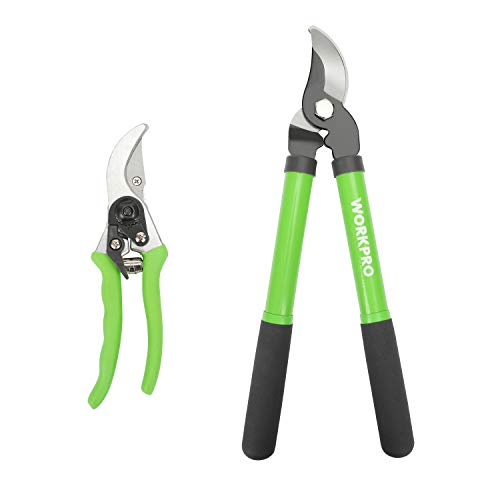
Ideal for pruning flowers and other garden plants

MFT45 7-in-1 multi function tool

Precision Cutting: This tree girdling tool is designed for precise ring cutting, making it easier to manage vine plants like grapes and lychees
Jujube Tree Watering and Fertilization Techniques
Successful jujube tree cultivation in New Hampshire hinges on proper watering and fertilization techniques tailored to the region’s unique climate. Understanding the specific needs of these trees can enhance their growth and fruit production, ensuring a bountiful harvest. This section delves into effective strategies to keep your jujube trees thriving throughout the seasons.
Proper watering and fertilization are essential for healthy growth.
Watering Schedule: Water young trees weekly during dry spells. Mature trees require less frequent watering.
Fertilizer: Use a balanced fertilizer in early spring. Follow the manufacturer’s instructions for application rates.
Pruning Techniques for Jujube Health
Pruning is essential for maintaining the health and productivity of jujube trees, especially in New Hampshire’s unique climate. Proper techniques not only enhance fruit quality but also promote vigorous growth and resilience against local pests and diseases. Understanding the right timing and methods for pruning can significantly impact the overall success of your jujube cultivation.
Regular pruning helps maintain tree shape and encourages fruit production.
Timing: Prune in late winter before new growth begins.
Techniques: Remove dead or crossing branches to improve air circulation and light penetration.
Pest and Disease Management for Jujube Trees
Managing pests and diseases is crucial for the successful cultivation of jujube trees in New Hampshire. This section delves into common threats that these trees face in the region and offers effective strategies for prevention and control. By understanding these challenges, you can ensure a healthier and more productive jujube harvest.
Keeping an eye on your jujube trees for pests and diseases is critical. Early detection can prevent significant damage.
| Pest/Disease | Symptoms | Treatment |
|---|---|---|
| Aphids | Leaf curling | Use insecticidal soap |
| Scale | Sticky residue | Apply horticultural oil |
| Root rot | Wilting leaves | Improve drainage |
Recommended Products

PEST DEFENSE - Insecticidal Super Soap controls species of adelgid, ant, aphid, borer, caterpillar, spider mite, cricket, chinch bug, weevil, fly, thrip, & more.
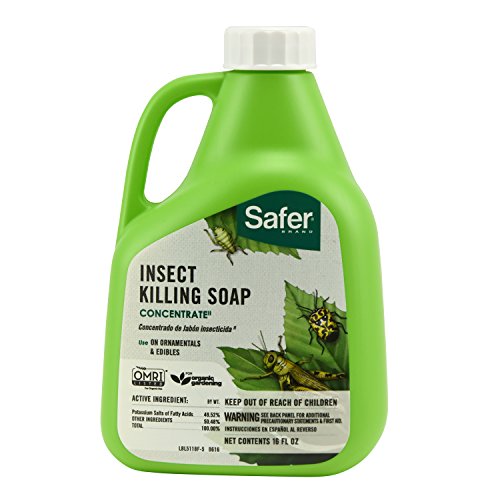
GENTLE ON MOST PLANTS - This aphid spray is ideal for use on flowers, herbs, vegetables, houseplants, lawn, tree, shrubs, and more

EASY TO USE: The ready-to-use indoor bug spray bottle makes application easy
Seasonal Jujube Care Strategies
Growing jujube trees in New Hampshire requires a keen understanding of seasonal care strategies tailored to the region’s unique climate. By adapting your approach throughout the year, you can ensure healthy growth and fruitful yields. This section will explore essential practices for each season to help your jujube trees thrive in New England.
Adapting your care routine to the seasons can enhance tree health.
Spring: Focus on fertilization and watering.
Summer: Monitor for pests and ensure adequate hydration.
Fall: Prepare trees for winter by mulching and watering deeply.
Jujube Fruit Harvest Timing and Techniques
Understanding the optimal timing and techniques for harvesting jujube fruit is crucial for maximizing yield and flavor in New Hampshire’s unique climate. This section delves into the specific indicators of ripeness and the best practices for harvesting, ensuring that your jujube trees produce the best possible fruit. By following these guidelines, you can enjoy a successful harvest season.
Knowing when and how to harvest your jujube fruit is essential for optimal flavor.
Timing: Harvest when fruits turn brown and are slightly soft to the touch.
Method: Gently twist or cut the fruit from the branch to avoid damaging the tree.
Be cautious of overripe fruit, as it may attract pests.
Following these guidelines will help you grow healthy jujube trees in New Hampshire, allowing you to enjoy their delicious fruit for years to come.
