

Are your fruit trees not thriving like you hoped? You’re not alone. Many gardeners struggle to find the right fertilizer that boosts growth and enhances fruit quality. With so many options out there, it can feel overwhelming to choose the best one for your specific needs.
Key Takeaways
- Fertilizer Types: Choose between granular, liquid, slow-release, and compost fertilizers based on your fruit trees’ needs and the desired impact on growth and fruit quality.
- Nutrient Requirements: Understand that fruit trees require essential nutrients such as nitrogen, phosphorus, potassium, calcium, magnesium, and micronutrients for optimal health and fruit production.
- Seasonal Application: Adjust fertilizer application according to the seasons; focus on nitrogen in spring, potassium and magnesium in summer, and low nitrogen in fall to prepare for dormancy.
- Organic vs. Synthetic: Consider using organic fertilizers like compost and manure for long-term soil health, or synthetic options for quick results, weighing the benefits and drawbacks of each.
- Popular Options in Australia: Use popular fertilizers like Osmocote Plus, Dynamic Lifter, and Yates Thrive Natural tailored for specific fruit trees to enhance growth and yields.
- Soil Quality and Tree Variety: Test soil quality and understand the specific nutrient requirements of different fruit tree varieties to make informed fertilizer choices for optimal growth.
Understanding Fertilizers for Fruit Trees
Fertilizers are essential for promoting the health and productivity of your fruit trees. Selecting the right type can enhance growth, improve fruit quality, and increase yields.
Types of Fertilizers
Fertilizers come in various forms, each serving a unique purpose.
- Granular Fertilizers: These dry formulations release nutrients slowly. They’re easy to apply and suitable for long-term feeding.
- Liquid Fertilizers: These solutions provide quick nutrient absorption. They’re ideal for fast-acting results, especially during the growing season.
- Slow-Release Fertilizers: These options provide nutrients over an extended period. They reduce the frequency of application and help maintain steady growth.
- Compost: Rich in nutrients, compost improves soil structure and provides beneficial microorganisms. Use it as a natural option for feeding your trees.
Organic vs. Synthetic
Choosing between organic and synthetic fertilizers depends on your gardening style and goals.
- Organic Fertilizers: These options come from natural sources, such as manure, compost, and bone meal. They improve soil health and promote long-term sustainability. Organic fertilizers release nutrients slowly, making them safer for the environment.
- Synthetic Fertilizers: These manufactured products provide concentrated nutrients, delivering quick results. They’re often less expensive but can lead to nutrient runoff and soil degradation. Use them judiciously to avoid potential harm to your fruit trees and surrounding ecosystems.
Select the type of fertilizer based on your specific needs, environmental considerations, and the growth stage of your fruit trees.
Nutrient Requirements of Fruit Trees
Fruit trees need a balanced supply of nutrients to thrive and produce quality fruit. Understanding these nutrient requirements helps you choose the best fertilizer for your needs.
Essential Nutrients
Fruit trees primarily require the following essential nutrients:
- Nitrogen (N): Promotes leaf and shoot growth. Opt for fertilizers high in nitrogen during the spring to encourage vigorous foliage development.
- Phosphorus (P): Supports root development and flower production. Choose a fertilizer with adequate phosphorus levels when preparing trees for fruiting.
- Potassium (K): Enhances fruit quality and resistance to diseases. A potassium-rich fertilizer benefits trees during the fruiting stage.
- Calcium (Ca): Essential for cell wall structure and overall health. Apply lime or calcium sulfate if your soil lacks calcium.
- Magnesium (Mg): Vital for photosynthesis. Use Epsom salt as an additional source of magnesium if deficiencies occur.
- Micronutrients: Elements like iron, manganese, and zinc also play critical roles. Look for fertilizers containing these in trace amounts.
Seasonal Needs
Fruit trees exhibit different nutrient requirements during the growing season. Meeting these needs aligns with their development stages:
- Spring: Focus on nitrogen-rich fertilizers to support new growth. Apply a balanced fertilizer after the last frost to kick-start the growing season.
- Summer: While trees mature, potassium and magnesium become essential for fruit quality. Supplement with a slow-release fertilizer to provide consistent nutrients.
- Fall: Apply fertilizers low in nitrogen. This supports root growth as trees prepare for dormancy.
- Winter: Fertilization typically isn’t necessary. Ensure trees are well-prepared by inspecting the soil nutrient levels in early winter to adjust for the following season.
By recognizing the essential nutrients and seasonal needs of your fruit trees, you can select the best fertilizer to ensure healthy growth and fruitful yields.
Popular Fertilizers for Fruit Trees in Australia
Choosing the right fertilizer plays a crucial role in the health of your fruit trees. Here are some popular options you can consider for your garden.
Recommended Products

🌿 Balanced 10-10-10 Granular Fertilizer for Outdoor & Indoor Plants: All-purpose plant food with 10% Nitrogen, 10% Phosphorus, and 10% Potassium. Perfect for outdoor vegetable gardens, fruit trees, evergreens, shrubs, lawns, and flowers. Also great for potted plants and indoor gardening. One solution for all your plant needs!

🌿 Balanced 10-10-10 Granular Fertilizer for Outdoor & Indoor Plants: All-purpose plant food with 10% Nitrogen, 10% Phosphorus, and 10% Potassium. Perfect for outdoor vegetable gardens, fruit trees, evergreens, shrubs, lawns, and flowers. Also great for potted plants and indoor gardening. One solution for all your plant needs!

Package contains 4 Pounds organic fruit and citrus fertilizer grains and is produced to avoid wasteful runoff, mess, hazards and smells
Granular Fertilizers
Granular fertilizers offer a simple way to provide nutrients over an extended period. They release nutrients gradually, promoting steady growth. This makes them ideal for fruit trees at different growth stages. Look for balanced formulas, such as NPK 10-10-10, which contain nitrogen, phosphorus, and potassium in equal amounts. Popular products include:
- Osmocote Plus: Known for its slow-release formula, it feeds plants for several months.
- Dynamic Lifter: This organic option is rich in nutrients and improves soil structure.
- Blood and Bone: This traditional choice offers nitrogen and phosphorus to support strong growth and fruiting.
You should apply granular fertilizers in early spring to kickstart growth. Sprinkle the granules around the tree’s drip line and water them in well.
Liquid Fertilizers
Liquid fertilizers provide quick nutrient absorption, making them effective for fast results. They work well for correcting nutrient deficiencies in fruit trees. With options like seaweed extract and fish emulsion, you’ll find various organic solutions that enhance tree vitality and encourage fruit production. Consider these popular choices:
- Yates Thrive Natural: A balanced nutrient solution that promotes healthy foliage and fruit.
- Seasol: An organic seaweed concentrate that stimulates root growth and increases resilience against stress.
- Charlie Carp: Made from fish waste, this fertilizer is high in nitrogen and promotes overall health.
For liquid fertilizers, follow instructions for dilution and application frequency. You can apply them every few weeks during the growing season for optimal results.
Factors to Consider When Choosing Fertilizers
Selecting the right fertilizer involves understanding several important factors that directly impact the health and productivity of your fruit trees.
Recommended Products

Produce abundant and vibrant fruit and blooms! This product works by strengthening your plant's roots to increase nutrient uptake… enabling it to bloom and produce like you've never seen!
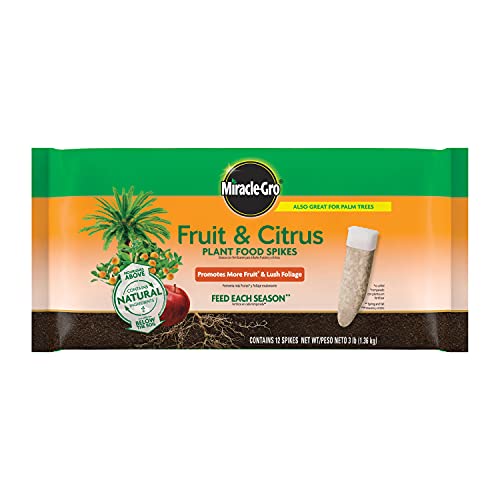
FORMULATED FOR CITRUS AND FRUIT TREES: Use these citrus fertilizer spikes on apple, orange, lemon, lime, and avocado trees; this formula is also great for feeding palm trees

Made for Lemon & Citrus Trees – Formulated to support healthy growth in lemon and citrus plants.
Soil Quality
Assessing soil quality is crucial. Healthy soil supports nutrient absorption, which affects tree growth. Test your soil pH and nutrient levels to determine existing deficiencies. For example, a pH range of 6.0 to 6.8 typically suits most fruit trees. If your soil is low in organic matter, consider an organic fertilizer that improves soil structure, such as compost or well-rotted manure. This helps retain moisture and enhances nutrient availability.
Tree Variety
Different fruit tree varieties have unique nutrient requirements. For instance, citrus trees thrive on higher nitrogen levels, while stone fruit trees, like peaches and cherries, need more potassium for fruit development. Research your specific fruit tree variety and its nutrient needs. When choosing fertilizers, select products tailored to your tree types. Many commercial fertilizers indicate compatibility with specific fruit tree varieties, helping you make a more informed decision.
Understanding these factors enables you to select the most suitable fertilizer for your fruit trees in Australia.
Recommendations for Specific Fruit Trees
Understanding the specific nutrient needs of different fruit trees enhances your gardening success. Here are tailored recommendations for two popular types: citrus and stone fruit trees.
Citrus Trees
Citrus trees thrive in well-drained soil with ample sunlight. For these trees, use a fertilizer high in nitrogen to promote vigorous growth and fruit production. A recommended product is Dynamic Lifter, a soft organic pellet fertilizer. Apply it in early spring around the tree’s drip line and reapply every six to eight weeks during the growing season.
Additionally, consider liquid fertilizers like Yates Thrive Natural Citrus & Fruit. This product contains essential nutrients and helps with rapid absorption. Use it every four to six weeks from spring to summer to support healthy fruit development.
Stone Fruit Trees
Stone fruit trees, which include peaches, plums, and cherries, require a different nutrient balance. They benefit from higher potassium levels for fruit quality. Blood and Bone is an excellent choice to enrich the soil with essential nutrients. Apply it in early spring and again in early summer for best results.
You might also use a specialized slow-release fertilizer like Osmocote Plus. It provides a balanced nutrient mix over time. Apply around the base of the tree in early spring, ensuring nutrient availability as the tree grows.
By matching your fertilizer choice to your fruit tree type, you enhance growth and fruit yields effectively.
Conclusion
Choosing the right fertilizer for your fruit trees in Australia can make all the difference in their growth and fruit production. By understanding the specific needs of your trees and the nutrients they require at different stages, you can create a thriving garden.
Remember to consider factors like soil quality and tree variety when selecting fertilizers. Whether you opt for organic or synthetic options, the key is to provide balanced nutrition tailored to your trees. With a bit of care and the right products, you’ll be well on your way to enjoying a bountiful harvest. Happy gardening!
Frequently Asked Questions
What are the key nutrients needed for fruit trees?
Fruit trees require a balanced supply of essential nutrients, including nitrogen, phosphorus, potassium, calcium, magnesium, and several micronutrients. These nutrients support overall health, growth, and fruit quality. By understanding and providing these nutrients, gardeners can improve the productivity of their fruit trees.
When should I fertilize my fruit trees?
Fertilization should align with the seasonal needs of fruit trees. Typically, apply nitrogen-rich fertilizers in spring for new growth, potassium and magnesium in summer to enhance fruit quality, and low-nitrogen fertilizers in fall to support root development. Winter fertilization is generally unnecessary.
What types of fertilizers are best for fruit trees?
Granular, liquid, slow-release, and compost fertilizers each serve specific roles. Granular fertilizers provide gradual nutrient release, while liquid options allow for quick absorption. Organic fertilizers often promote long-term soil health, while synthetic fertilizers can offer rapid results but may lead to nutrient runoff.
How do I choose the right fertilizer for my fruit trees?
Select fertilizers based on your specific needs, the type of fruit tree, and soil quality. Assess soil health, including pH and nutrient levels, to ensure effective nutrient uptake. Matching fertilizer types with the unique requirements of each fruit tree variety will also optimize growth.
Are organic fertilizers better than synthetic ones?
Organic fertilizers promote long-term soil health and sustainability but may release nutrients more slowly. Synthetic fertilizers can provide quick results but may lead to concerns such as nutrient runoff and soil degradation. Consider using organic options for a healthier ecosystem in your garden.
What are some recommended fertilizers for citrus and stone fruit trees?
For citrus trees, nitrogen-rich fertilizers like Dynamic Lifter and liquid options such as Yates Thrive Natural Citrus & Fruit are effective. For stone fruit trees, opt for potassium-rich fertilizers like Blood and Bone or slow-release options like Osmocote Plus to enhance fruit quality.
