
Close Menu
    Fruit Tree Hub
    • Home
    • Apple Trees
    • Lemon Trees
    • Mango Trees
    • Orange Trees
    • More Trees
      • Best Fruit Trees
      • Apricot Trees
      • Cherry Trees
      • Fig Trees
      • Lime Trees
      • Mulberry Trees
      • Peach Trees
      • Pear Trees
      • Plum Trees
      • Pomegranate Trees
    • Tips and Advice
      • Tools
    • About Us
      • Contact
      • Privacy Policy
    Fruit Tree Hub
    Home»Tips and Advice»How Long Does a Guava Tree Take to Bear Fruit and Tips for Successful Harvesting
    Tips and Advice

    How Long Does a Guava Tree Take to Bear Fruit and Tips for Successful Harvesting

    Martha JacksonBy Martha JacksonDecember 8, 20246 Mins Read
    Share Facebook Twitter Pinterest WhatsApp Email
    Share
    Facebook Twitter LinkedIn Pinterest Telegram Email

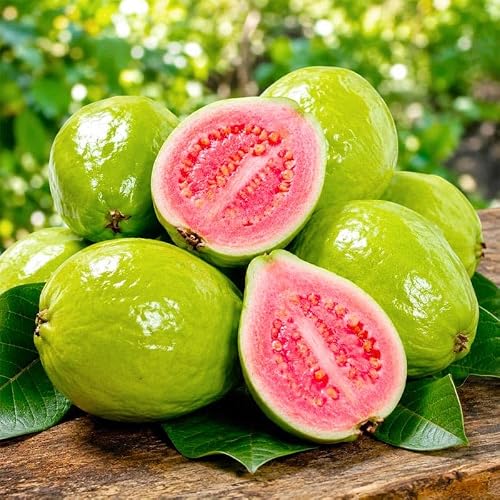
    Have you ever wondered how long it takes for a guava tree to start bearing fruit? If you’re considering planting one or just curious about this tropical delight, you’re not alone. Many people dream of enjoying fresh guavas right from their backyard, but the waiting game can be a bit tricky.

    Contents show
    1 Key Takeaways
    2 Overview of Guava Trees
    3 Factors Affecting Fruit Bearing
    3.1 Variety of Guava
    3.2 Growing Conditions
    3.3 Age of the Tree
    4 Typical Timeframe for Guava Trees to Bear Fruit
    4.1 From Planting to Fruiting
    4.2 Variations by Region
    5 Care and Maintenance to Enhance Fruiting
    5.1 Pruning Techniques
    5.2 Nutrient Requirements
    6 Conclusion
    7 Frequently Asked Questions
    7.1 How long does it take for a guava tree to produce fruit?
    7.2 What factors influence fruit production in guava trees?
    7.3 What conditions are ideal for growing a guava tree?
    7.4 How can I care for my guava tree to enhance fruiting?
    7.5 Should I consider the age of the tree when purchasing one?

    Key Takeaways

    • Guava trees generally begin to bear fruit between 2 to 4 years after planting, depending on the variety and growing conditions.
    • The common guava typically requires 3 to 4 years to fruit, while the strawberry guava may bear fruit as early as 2 years.
    • Optimal growing conditions, including well-drained soil, full sun, and regular watering, significantly influence the fruiting timeline.
    • The age of the tree at planting impacts fruiting; younger trees take longer to produce compared to semi-mature or mature ones.
    • Regional climate conditions also affect production speeds; trees in tropical areas tend to fruit sooner than those in cooler subtropical regions.
    • Proper care, including pruning and nutrient application, enhances the guava tree’s health and fruit yield.

    Overview of Guava Trees

    Guava trees thrive in tropical and subtropical regions. They grow between 10 to 30 feet tall, depending on the variety. These trees produce fragrant flowers, which eventually develop into delicious fruits.

    MUST READ
    How to Treat Termites in Fruit Trees: Effective Methods for Protecting Your Harvest

    Guava trees prefer well-drained soil and full sun exposure. They flourish with minimal maintenance, making them great for home gardens. Regular watering helps; however, avoid waterlogged soil. Fertilizing with balanced nutrients every few months encourages growth and fruit production.

    When choosing a guava tree variety, consider the time it takes to bear fruit. Some types, like the common guava, may bear fruit in about 3 to 4 years after planting. Others, such as the strawberry guava, might produce in 2 to 4 years.

    You might also want to check the age of the tree before purchasing. Younger guava trees typically take longer to bear fruit compared to more established ones. Keep an eye on growth conditions to maximize fruiting potential.

    Understanding these factors helps you anticipate when to enjoy your first guavas. Proper care and patience lead to a fruitful guava tree.

    Factors Affecting Fruit Bearing

    Several factors influence how long it takes for a guava tree to bear fruit. Understanding these elements helps you maximize your chances of a successful harvest.

    Recommended Products
    3 Pineapple Guava (Feijoa) Trees | Live Saplings in 2.5-inch Nursery Cubes | Feijoa Sellowiana Variety | Drought-Tolerant Fruit-Bearing Trees and Shrubs | Tropical Ornamental Charm for Home and Garden
    3 Pineapple Guava (Feijoa) Trees | Live Saplings in 2.5-inch Nursery Cubes | Feijoa Sellowiana Variety | Drought-Tolerant Fruit-Bearing Trees and Shrubs | Tropical Ornamental Charm for Home and Garden

    READY TO PLANT: These 3 thriving Pineapple Guava saplings (Feijoa Sellowiana variety) arrive in 2.5-inch nursery cubes, ready to plant. These versatile, tropical (and pet-safe!) evergreen trees and shrubs offer year-round beauty and fruit in any home.

    VIEW LATEST PRICE

    As an affiliate, we earn on qualifying purchases.

    Farmer's Secret Fruit Tree Booster Fertilizer - Super Concentrated and Phosphorus Rich - Formulated for All Fruit Trees Including Peach, Banana, and Apple (8oz)
    Farmer's Secret Fruit Tree Booster Fertilizer - Super Concentrated and Phosphorus Rich - Formulated for All Fruit Trees Including Peach, Banana, and Apple (8oz)

    Let our professionally formulated plant food help your fruit tree grow healthy, strong AND abundantly producing

    VIEW LATEST PRICE

    As an affiliate, we earn on qualifying purchases.

    MUST READ
    How to Prune a Fig Tree for Fruit: Essential Techniques for a Bountiful Harvest
    12 Pineapple Guava (Feijoa) Trees | Live Saplings in 2.5-inch Nursery Cubes | Feijoa Sellowiana Variety | Drought-Tolerant Fruit-Bearing Tree and Shrub | Tropical Ornamental Charm for Home and Garden
    12 Pineapple Guava (Feijoa) Trees | Live Saplings in 2.5-inch Nursery Cubes | Feijoa Sellowiana Variety | Drought-Tolerant Fruit-Bearing Tree and Shrub | Tropical Ornamental Charm for Home and Garden

    READY TO PLANT: These 12 thriving Pineapple Guava saplings (Feijoa Sellowiana variety) arrive in 2.5-inch nursery cubes, ready to plant. These versatile, tropical (and pet-safe!) evergreen trees and shrubs offer year-round beauty and fruit in any home.

    VIEW LATEST PRICE

    As an affiliate, we earn on qualifying purchases.

    Variety of Guava

    Different varieties of guava trees have unique timelines for fruit production. For example, common guava (Psidium guajava) typically takes 3 to 4 years to bear fruit. In contrast, strawberry guava (Psidium cattleianum) may start producing in just 2 to 4 years. When selecting a variety, consider your climate and space to ensure optimal growth.

    Growing Conditions

    The environment in which your guava tree grows significantly impacts its fruit-bearing timeline. Guava trees thrive in tropical and subtropical climates. They require well-drained soil, full sun exposure, and regular watering. Maintaining these conditions can facilitate faster fruiting. Poor soil quality or inadequate sunlight can delay your tree’s production.

    Age of the Tree

    The age of your guava tree also affects fruiting time. Younger trees typically take longer to bear fruit compared to more mature ones. If you opt for a young tree, be prepared to wait 3 to 4 years for your first harvest. Purchasing a semi-mature or mature tree can offer quicker results, allowing you to enjoy fresh guavas sooner.

    Typical Timeframe for Guava Trees to Bear Fruit

    Guava trees typically take several years to bear fruit, depending on various factors. Understanding these elements can help you anticipate the harvest season.

    Recommended Products

    Guava Tree Fertilizer – Liquid Plant Food for More Fruit, 32 oz
    Guava Tree Fertilizer – Liquid Plant Food for More Fruit, 32 oz

    Supports Flowering & Fruit Production – Helps encourage strong flowering, fruit set, and consistent guava development.

    MUST READ
    What Fruit Tree Has Pink Flowers: Discover Stunning Varieties for Your Garden
    VIEW LATEST PRICE

    As an affiliate, we earn on qualifying purchases.

    Miracle-Gro Shake 'N Feed Citrus, Avocado, Mango Plant Food - Fertilizer for Container and In-Ground Plants, Citrus, Avocado and Mango Trees, 4.5 lbs.
    Miracle-Gro Shake 'N Feed Citrus, Avocado, Mango Plant Food - Fertilizer for Container and In-Ground Plants, Citrus, Avocado and Mango Trees, 4.5 lbs.

    CITRUS PLANT FOOD: This avacado, mango and citrus fruit tree fertilizer feeds plants for up to 3 months and nourishes above and below the soil

    VIEW LATEST PRICE

    As an affiliate, we earn on qualifying purchases.

    Miracle-Gro Fruit & Citrus Plant Food Spikes, 12 Spikes, 3 lb.
    Miracle-Gro Fruit & Citrus Plant Food Spikes, 12 Spikes, 3 lb.

    FORMULATED FOR CITRUS AND FRUIT TREES: Use these citrus fertilizer spikes on apple, orange, lemon, lime, and avocado trees; this formula is also great for feeding palm trees

    VIEW LATEST PRICE

    As an affiliate, we earn on qualifying purchases.

    From Planting to Fruiting

    Guava trees can start producing fruit anywhere from 2 to 4 years after planting, based on the variety and conditions. For instance, the strawberry guava often bears fruit around the 2-year mark, while the common guava usually takes about 3 to 4 years. Ensuring your tree has optimal conditions, such as well-drained soil and full sunlight, can promote earlier fruiting. Providing regular water during dry periods and using organic fertilizers also supports healthy growth.

    Variations by Region

    Geographical location influences when guava trees bear fruit. In tropical climates, where conditions are ideal, trees may produce fruit more quickly. Conversely, in subtropical regions with cooler temperatures, expect longer timelines for fruit development. For example, guava trees in Florida might bear fruit sooner than those in northern California. Recognizing your local climate’s impact allows you to set realistic expectations for your tree’s fruiting schedule.

    Care and Maintenance to Enhance Fruiting

    Caring for your guava tree enhances fruit production and ensures healthy growth. Implementing specific practices promotes a more fruitful yield.

    MUST READ
    How to Grow Bonsai Fruit Trees: Essential Tips for Thriving Miniature Orchards

    Recommended Products

    Farmer’s Secret Fruit & Bloom Booster Fertilizer - Super Concentrated - Boosts Flowering and Yield on All Varieties of Fruits, Vegetables and Flowers - Formulated for Late Summer & Early Fall (16oz)
    Farmer’s Secret Fruit & Bloom Booster Fertilizer - Super Concentrated - Boosts Flowering and Yield on All Varieties of Fruits, Vegetables and Flowers - Formulated for Late Summer & Early Fall (16oz)

    Produce abundant and vibrant fruit and blooms! This product works by strengthening your plant's roots to increase nutrient uptake… enabling it to bloom and produce like you've never seen!

    VIEW LATEST PRICE

    As an affiliate, we earn on qualifying purchases.

    Farmer’s Secret Fruit & Bloom Booster Fertilizer - Super Concentrated - Boosts Flowering and Yield on All Varieties of Fruits, Vegetables and Flowers - Formulated for Late Summer & Early Fall (8oz)
    Farmer’s Secret Fruit & Bloom Booster Fertilizer - Super Concentrated - Boosts Flowering and Yield on All Varieties of Fruits, Vegetables and Flowers - Formulated for Late Summer & Early Fall (8oz)

    Produce abundant and vibrant fruit and blooms! This product works by strengthening your plant's roots to increase nutrient uptake… enabling it to bloom and produce like you've never seen!

    VIEW LATEST PRICE

    As an affiliate, we earn on qualifying purchases.

    Phosphorus and Potassium Fertilizer, Liquid Bloom Booster, 8 oz
    Phosphorus and Potassium Fertilizer, Liquid Bloom Booster, 8 oz

    High Phosphorus & Potassium Fertilizer – Designed to deliver elevated phosphorus and potassium for targeted plant support.

    VIEW LATEST PRICE

    As an affiliate, we earn on qualifying purchases.

    Pruning Techniques

    Pruning shapes your guava tree for optimal sunlight exposure and airflow. Conduct the following:

    1. Timing: Prune in late winter or early spring before new growth starts.
    2. Tools: Use clean, sharp pruning shears to make clean cuts.
    3. Removal: Cut away dead or damaged branches to improve overall health.
    4. Shaping: Thin out overcrowded branches to prevent fungus and allow better light penetration.

    A properly pruned tree benefits from increased fruit production and reduced disease risks.

    Nutrient Requirements

    Nourishing your guava tree supports robust growth and fruiting. Focus on these key nutrients:

    1. Nitrogen: Apply a balanced fertilizer with nitrogen in early spring to promote leafy growth.
    2. Phosphorus: Use fertilizers rich in phosphorus to encourage flower and fruit development.
    3. Potassium: Ensure adequate potassium for improved fruit quality and flavor.
    MUST READ
    Where to Buy Fruit Trees Cheap: Top Tips for Finding Affordable Options and Great Deals

    Incorporate organic compost annually to boost soil nutrients. Regularly test soil pH, keeping it between 6.0 and 7.0 for optimal growth.

    Conclusion

    Growing a guava tree can be a rewarding experience filled with anticipation. With the right care and conditions you can enjoy fresh guavas in just a few years. Remember to choose the right variety and pay attention to the growing factors like sunlight and soil quality.

    Patience is key as you nurture your tree to maturity. By following the tips shared you’ll set yourself up for a fruitful harvest. Soon enough you’ll be savoring the delicious taste of homegrown guavas right from your garden. Happy gardening!

    Frequently Asked Questions

    How long does it take for a guava tree to produce fruit?

    The time it takes for a guava tree to bear fruit varies by variety. Typically, the common guava takes about 3 to 4 years, while the strawberry guava can bear fruit in 2 to 4 years.

    What factors influence fruit production in guava trees?

    Several factors affect guava fruit production, including the tree variety, growing conditions like climate and soil quality, sunlight exposure, and the tree’s age.

    What conditions are ideal for growing a guava tree?

    Guava trees thrive in well-drained soil and need full sun exposure to grow optimally. They prefer tropical and subtropical climates for best fruiting results.

    How can I care for my guava tree to enhance fruiting?

    To promote fruiting, prune your guava tree in late winter or early spring, apply balanced fertilizers, incorporate organic compost, and regularly test soil pH for optimal health.

    Should I consider the age of the tree when purchasing one?

    Yes, the age of the guava tree is important. Younger trees may take longer to produce fruit, while more mature ones can lead to quicker harvests.

    Share. Facebook Twitter Pinterest LinkedIn Tumblr Email
    martha jackson
    Martha Jackson

      Martha Jackson is an accomplished freelance writer and editor with a strong interest in gardening. With a degree in English from the University of California, Berkeley, Martha has over 15 years of experience writing for a variety of publications. She is passionate about making gardening accessible to all and is always seeking out new techniques and innovations.

      Related Posts

      How Long Until Avocado Trees Bear Fruit and Tips for Faster Growth at Home

      February 20, 2025

      What Yellow Fruit Grows on Trees and Their Delicious Health Benefits

      February 20, 2025

      How to Air Layer Fruit Trees: A Step-by-Step Guide for Successful Propagation

      February 20, 2025

      When Do Grapefruit Trees Produce Fruit and How to Maximize Your Harvest

      February 20, 2025

      What Is a Fast Growing Fruit Tree: Discover Quick-Yield Options for Your Garden

      February 20, 2025

      Do Cherry Blossom Trees Have Fruit? Discover the Truth About Their Edibility and Benefits

      February 20, 2025
      Leave A Reply Cancel Reply

      Affiliate Disclosure

      As an Amazon Associate I earn from qualifying purchases.

      Recommended Reading

      Growing Almond Trees in Irving, TX: Urban North Texas Tips

      How to Keep Squirrels from Fruit Trees: Effective Tips for Protecting Your Harvest

      Can Star Fruit Trees Grow in a Pot in Wyoming? Pro Advice

      Can Loquat Trees Be Grafted

      Why Is My Plum Tree Dropping Fruit: Causes and Solutions for a Healthy Harvest

      How Long Avocado Tree Give Fruit and Tips for Maximizing Your Harvest

      How Long for Tangerine Tree to Produce Fruit: Timeline and Care Tips for a Successful Harvest

      Mango Trees in a Pot in Houston, TX: Managing High Humidity

      Removing Aphid Honeydew Stains from Your Car: Easy Cleaning Tips

      Can You Stop A Mulberry Tree From Producing Fruit

      Fruit Tree Hub

      Fruit Tree Hub is a website dedicated to providing you everything you need to grow fruit trees successfully at in your own yard.

      Contact us at: [email protected]

      - AFFILIATE DISCLOSURE: As an Amazon Associate I earn from qualifying purchases.

      Latest Posts

      Can Olive Trees Grow in New Jersey? Garden State Growth Tips

      Can Star Fruit Trees Grow in Missouri? Expert Variety Guide

      How to Grow Jujube Trees in Las Vegas, NV: Desert Growth

      Mango Trees in Illinois: Indoor and Greenhouse Growth Secrets

      Growing Papaya Trees in Oklahoma: High Heat Resilience

      Tamarind Trees in a Pot in Ohio (Complete Maintenance Manual)

      Can Fig Trees Grow in Long Beach, CA? Coastal Salt Tips

      Plum Trees in District of Columbia (Urban Microclimate Tips)

      Categories
      • Almond Trees
      • Apple Trees
      • Apricot Trees
      • Best Fruit Trees
      • Blackberry
      • Cantaloupe
      • Cherry Trees
      • Crochet Ideas
      • Crochet Ideas for Beginners
      • Cucamelon
      • Easy Crochet Ideas
      • Easy Knitting Projects
      • Fig Trees
      • Grapefruit Trees
      • Grapes
      • Guava Trees
      • Honeydew
      • Jujube Trees
      • Kiwi
      • Knitting For Beginners
      • Knitting Ideas
      • Knitting Inspiration
      • Lemon Trees
      • Lime Trees
      • Loquat Trees
      • Mango Trees
      • Mulberry Trees
      • Nectarine Trees
      • Olive Trees
      • Orange Trees
      • Papaya Trees
      • Peach Trees
      • Pear Trees
      • Persimmon Trees
      • Planting
      • Plum Trees
      • Pomegranate Trees
      • Quince Trees
      • Raspberry
      • Reviews
      • Small Crochet Ideas
      • Star Fruit Trees
      • Summer Crochet Ideas
      • Tamarind Trees
      • Tangerine Trees
      • Tips and Advice
      • Tools
      • Uncategorized
      • Walnut Trees
      © 2026 Fruit Tree Hub
      • Home
      • About Us
      • Contact
      • Privacy Policy
      • Terms and Conditions
      • Disclaimer
      • Editorial Policy
      • Affiliate Disclosure

      Type above and press Enter to search. Press Esc to cancel.