

Are your fruit trees looking a bit overgrown? Pruning can make a world of difference, but knowing when to do it can be tricky. In California’s unique climate, timing is everything if you want to enjoy a bountiful harvest.
This article will guide you through the best times to prune different types of fruit trees in your area. You’ll learn how proper pruning helps improve fruit quality and encourages healthy growth. With the right tips, you can keep your trees thriving and ensure they produce delicious fruit for years to come.
Key Takeaways
- Pruning Timing is Crucial: In California, prune fruit trees during the dormant season (late December to early March) to promote vigorous spring growth, and consider summer pruning (June to August) for size control and fruit quality enhancement.
- Tree Variety Matters: Different fruit trees require specific pruning schedules; for instance, apple and peach trees benefit from winter pruning, while avocados may need summer shaping.
- Techniques for Effectiveness: Utilize sharp tools, cut at a 45-degree angle, and thin out crowded branches to ensure healthy growth and prevent disease.
- Avoid Over-Pruning: Limit pruning to 20-30% of the tree’s foliage during dormant pruning to prevent shock and ensure the tree remains healthy.
- Monitor Local Climate: Adjust pruning times based on local environmental conditions, as coastal regions may allow for earlier pruning compared to frost-prone inland areas.
- Stay Informed: Regularly observe tree health after pruning to address any signs of disease or stress, ensuring productive and thriving fruit trees.
Understanding Fruit Tree Pruning
Pruning fruit trees is essential for maintaining health and maximizing yield. Timing and technique influence both growth and fruit quality, especially in California’s diverse climate.
Why Prune Fruit Trees
- Promote air circulation: Pruning opens up the canopy. Trees need good airflow to prevent disease.
- Improve sunlight penetration: Allow light to reach more branches. This enhances fruit ripening.
- Remove dead or diseased wood: Getting rid of unhealthy wood prevents the spread of diseases.
- Shape the tree: Maintain a strong structure. This makes harvesting easier and promotes fruit production.
Best Times to Prune
- Dormant Pruning: Conduct this in late winter or early spring before new growth starts. For most fruit trees, late January to early March works well. This promotes strong growth.
- Summer Pruning: Utilize summer pruning for specific purposes. This includes controlling size and removing new, unwanted growth. Aim for June to August.
Pruning Techniques
- Use sharp, clean tools: Clean cuts heal faster. Consider pruning shears and loppers for smaller branches, and chainsaws for larger ones.
- Cut at the right angle: Make cuts at a 45-degree angle. This minimizes water collection on the cut surface.
- Thin out crowded branches: Focus on removing branches that cross or rub against each other. This encourages healthier growth.
Common Questions About Pruning
- How much should I prune? Aim to remove about 20-30% of the tree’s foliage during dormant pruning. Less during summer pruning.
- What about specific fruit trees? Vary pruning techniques based on tree type. For example, apple and pear trees benefit from different approaches than peach or cherry trees.
- Pruning shears: Ideal for small branches.
- Loppers: Useful for thicker branches.
- Pruning saw: Necessary for larger cuts.
- Safety gear: Wear gloves and goggles to protect yourself while pruning.
Use these guidelines to prune your fruit trees effectively. Pruning at the right time boosts your tree’s health and improves your harvest year after year.
Best Times to Prune Fruit Trees in California
Pruning fruit trees at the right time ensures optimal growth and fruit production. California’s climate allows for specific pruning windows that cater to various fruit types.
Recommended Products

Effortless Tree Cutting Operation: Designed for smooth and easy cutting of fruit trees, allowing you to finish girdling work with less effort

★ 1. What you get: Professional convenient grafting tool set including a dual-use grafting pruner tool contain 2 extra replaceable blades, a wrench and a screwdriver, along with 36pcs wide rubber bands, 150 thick rubber bands and 1 grafting tape, packed in a black wallet to meet all your needs

Pruning Trees Shrubs and Vines No 54 By Gardenway Editors
Dormant Season
Prune fruit trees during the dormant season, typically from late December to early March. At this time, trees are less active, making it easier to assess their structure and health. This period promotes vigorous growth in spring. Focus on:
- Removing Dead or Diseased Wood: Eliminate any damaged branches to improve tree health and prevent pests.
- Shaping the Tree: Trim to maintain an open canopy, allowing sunlight and air to penetrate.
- Thinning Crowded Branches: Cut back excessive growth to avoid competition for nutrients and water.
Using sharp tools enhances your cuts and promotes faster healing.
Growing Season
Pruning during the growing season occurs mainly from June to August. This technique helps manage tree size and encourages specific outcomes, such as improving fruit size or ripening. Focus on:
- Summer Thinning: Remove some fruits to enhance the remaining fruit’s size and quality. For example, if a tree bears too many plums, thin to one plum every 6 inches to maximize those remaining.
- Removing Suckers: Cut back any suckers that emerge at the base or along the trunk to redirect energy to the main branches.
- Shaping and Training: Perform light pruning to control the shape of the tree while it’s actively growing.
Always use clean tools to prevent disease spread. Following these timelines helps you maintain healthy, productive fruit trees throughout California’s growing conditions.
Factors Influencing Pruning Times
Pruning times for fruit trees in California depend on several key factors. Understanding these factors ensures effective pruning that promotes tree health and fruit yield.
Recommended Products

Reduce Hand Strain: These micro tip snips are made to reduces hand fatigue which makes them great for those with arthritis, carpal tunnel, hand or wrist issues; Comfortable “grip” handles will make it easy to work for long-time use without making you feel hand pain
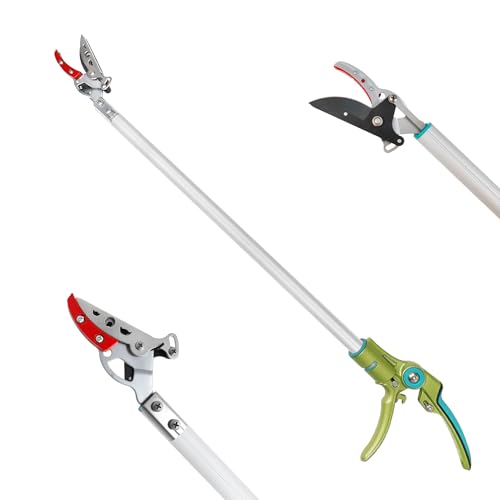
[REACH HIGH & STAY SAFE](No Ladder Required) Say goodbye to wobbly ladders! This 32inch long reach pole pruner offers an extra 30 inches of safe reach, allowing you to prune high branches or tall fruit trees while standing firmly on the ground. It’s the perfect extension tool for maintaining your backyard without the risk of falling.
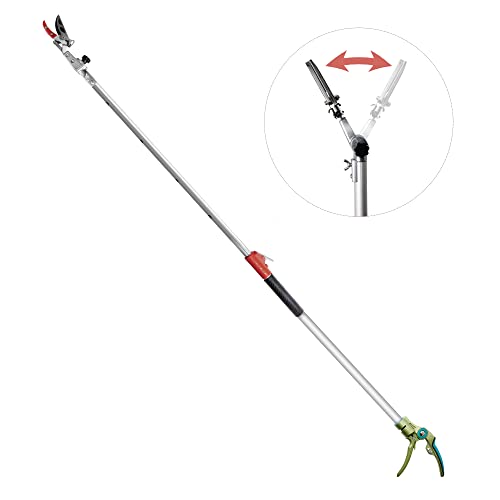
[Helpful Garden Tool] GARTOL brings to you a lightweight and extendable pruning tool to reach out to the least approachable arenas of your garden. You can conveniently get across other plants to remove the fastgrowing brambles and sting nettles without getting scratched or hurt. For gardening lovers, the telescopic pruner cutter head can can be rotated which resolves mobility issues and gives you the pleasure of trimming your garden without bending down or using a ladder to climb and cut them.
Tree Variety
Different fruit tree varieties require different pruning schedules. For instance, deciduous trees like apple and peach typically benefit from dormant pruning in late winter. In contrast, subtropical varieties like avocado often need light shaping during summer. Familiarize yourself with the specific needs of your fruit tree varieties to choose the best timing for pruning.
| Fruit Tree Variety | Recommended Pruning Time |
|---|---|
| Apple | Late winter to early spring |
| Peach | Late winter to early spring |
| Avocado | Summer for shaping and thinning |
| Citrus | Late winter or post-harvest |
Climate Considerations
California’s diverse climate affects the best pruning times. Coastal areas experience milder winters, allowing for earlier pruning. Inland regions may encounter frost, necessitating a later pruning schedule. Monitor local temperatures and daylight hours, as these influence when trees enter dormancy and when growth resumes. Prune only when conditions are favorable to avoid stressing the trees.
By considering the tree variety and climate, you’ll optimize your pruning efforts, fostering healthier trees and boosting your fruit production.
Pruning Techniques and Tips
Recommended Products

[Cut & Hold Pole Pruner for Tree Trimming] This long reach cut and hold pruner makes it easy to grip and remove branches, flowers, or fruit without dropping them. Perfect as a pole fruit picker for harvesting lemons, oranges, apples, or persimmons, and for trimming shrubs and bushes without climbing a ladder.

IDEAL BRANCH TRIMMER: 28" Steel blade garden bypass lopper that glides through up to 1.5" thick branches for easy cuts; Works well for trimming tree branches to maintain your yard and garden, and to encourage overall plant health and appearance

IDEAL BRANCH TRIMMER: Fiskars 28-Inch Power-Lever Bypass Garden Lopper glides through branches up to 1.75" thick for easy cuts; Works well for trimming tree branches to maintain your yard and garden and encourage overall plant health and appearance
Tools You’ll Need
- Pruners: Use bypass or anvil pruners for cutting small branches.
- Loppers: Choose loppers for larger branches that pruners can’t handle.
- Saw: A handsaw or pruning saw works well for thick branches.
- Gloves: Wear sturdy gloves to protect your hands.
Pruning Techniques
- Cut at a 45-Degree Angle: This helps prevent water accumulation on the cut surface, reducing the risk of disease.
- Remove Dead or Diseased Wood: Cut any dead or diseased branches back to healthy wood. This promotes tree health.
- Thin Crowded Branches: If branches are competing for space, prune some back to allow sunlight to reach all parts of the tree.
- Focus on the Outward Growth: Trim branches that grow inward, encouraging an open canopy that allows for better air circulation and light penetration.
Timing Your Pruning
- Dormant Season Pruning: Aim for late December to early March for most fruit trees. This timing reduces stress on the tree and encourages vigorous growth in spring.
- Summer Pruning: From June to August, focus on thinning and light shaping. This technique improves fruit size and quality.
- Be Mindful of Weather: Avoid pruning during active growth periods or right before frost, as this can harm new growth.
Specific Pruning Tips
- Apple Trees: Prune during the dormant season to manage size and promote fruiting wood.
- Peach Trees: Always prune in late winter to encourage bud development for the upcoming harvest.
- Avocado Trees: Summer pruning works best. It keeps the tree manageable while improving air circulation and light.
Common Mistakes to Avoid
- Over-Pruning: Remove no more than 25% of the tree’s canopy in one season to prevent shock.
- Ignoring Tree Variety: Different species require different techniques; be sure to research specific needs.
- Using Dull Tools: Dull tools crush branches instead of making clean cuts, which can invite pests and disease.
- Seal Cuts if Necessary: Use sealant on larger cuts to protect from pests.
- Monitor Tree Health: Keep an eye out for signs of disease or stress following pruning, and address any issues promptly.
Following these techniques and tips will help you maintain healthy fruit trees that yield abundant, quality fruit. Stay knowledgeable about your specific trees, and you’ll enjoy successful pruning sessions year after year.
Conclusion
Pruning your fruit trees at the right time can make all the difference in their health and productivity. By following the guidelines for dormant and summer pruning, you’re setting the stage for a bountiful harvest. Remember to consider your tree variety and local climate when planning your pruning schedule.
With the right techniques and tools in hand, you can promote better air circulation and sunlight exposure. This not only helps your trees thrive but also enhances the quality of your fruit. Keep an eye on your trees after pruning and enjoy watching them flourish season after season. Happy pruning!
Frequently Asked Questions
Why is pruning important for fruit trees?
Proper pruning promotes air circulation, improves sunlight penetration, removes dead or diseased wood, and shapes trees for easier harvesting. It enhances fruit quality and supports healthy growth, ensuring higher yields.
When should I prune my fruit trees in California?
The best time to prune fruit trees in California is during the dormant season, from late December to early March. Summer pruning can be done between June and August for specific purposes like thinning and shaping.
What are the key techniques for effective pruning?
Use sharp tools like pruners, loppers, and saws to make clean cuts. Always cut at a 45-degree angle to prevent disease. Thinning out crowded branches is essential, and avoid over-pruning to maintain tree health.
Does the type of fruit tree affect pruning times?
Yes, different fruit tree varieties have different pruning needs. For instance, apple and peach trees benefit from late winter pruning, while subtropical varieties like avocado require summer shaping to optimize growth and fruit production.
How does California’s climate influence pruning schedules?
California’s diverse climate affects pruning schedules. Coastal areas may allow for earlier pruning than inland regions, which can encounter frost. Always consider local weather conditions when planning your pruning.
What tools do I need for pruning fruit trees?
Essential tools include hand pruners for small branches, loppers for thicker limbs, and saws for larger branches. Ensure all tools are sharp to make clean cuts and reduce the risk of disease.
