

Have you ever wondered what happens to a banana tree after it bears fruit? You’re not alone. Many people are curious about the life cycle of this fascinating plant, especially after seeing those vibrant clusters of bananas hanging from its leaves.
Understanding whether a banana tree dies post-harvest can help you care for your own plants better or simply satisfy your curiosity. This article will walk you through the life cycle of banana trees, shedding light on their unique growth patterns and what to expect after they yield fruit. You’ll gain insights that can enhance your gardening skills or enrich your knowledge about this tropical favorite.
Key Takeaways
- Banana trees experience a natural life cycle where the original stem dies after bearing fruit, but new growth continues through offsets or pups.
- The life cycle of a banana tree typically spans 9-12 months from planting to fruiting, including distinct stages like flowering and fruit development.
- Different banana tree varieties, such as Cavendish, Red Banana, Plantain, and Apple Banana, have unique characteristics that influence their growth and fruiting process.
- Proper aftercare, including pruning and encouraging new growth, is essential for maintaining the health of banana trees and ensuring future fruiting.
- Common misconceptions about banana trees dying after fruiting can be clarified by understanding that new pups allow the cycle to repeat sustainably.
- Regular monitoring for pests and diseases, along with maintaining nutrient-rich soil, is crucial for healthy banana plant development and bountiful harvests.
Understanding Banana Trees
Banana trees are fascinating plants that offer insights into their lifecycle and types. Knowing more about these trees can enhance your understanding and care for them.
Recommended Products

PREMIUM FUEL LIQUID FERTILIZER: Wellspring Gardens Banana Fuel Liquid Fertilizer Concentrate provides a quality nutrient blend with minor elements that could grow your plants. Its 3-1-6 formula ratio is the ideal fertilizer ration according to University of Florida which is what our product is made of.

Made for Banana Trees – Specially formulated banana fertilizer designed to support the nutrient needs of banana plants.
Life Cycle of a Banana Tree
The life cycle of a banana tree typically consists of several stages, starting from a seed or a sucker. Initially, the plant grows as a herbaceous stem that produces leaves. After reaching maturity, which usually takes nine to twelve months, it flowers and develops fruit. Once the banana bunches ripen, the tree focuses its energy on producing this fruit. After fruiting, the original stem dies. However, this doesn’t mean the banana plant is done. New offsets, or pups, grow from the base, allowing the cycle to continue. You can encourage these pups by separating them from the parent plant for new growth opportunities.
Types of Banana Trees
Understanding the types of banana trees can help you choose the right one for your garden. Here are some common varieties:
- Cavendish: Most popular for commercial production, these bananas are sweet and widely available in stores.
- Red Banana: These have a reddish-purple skin and a sweeter flavor, often used in desserts.
- Plantain: A starchier variety, plantains are typically cooked before consumption and are staples in many cuisines.
- Apple Banana (Manzano): Known for their apple-like flavor, these are shorter and thicker than the Cavendish variety.
Choosing the right banana tree type depends on your climate and intended use. Each type has unique characteristics that can benefit your garden or your kitchen.
The Fruit-Bearing Process
The fruit-bearing process of banana trees involves distinct stages, each critical to the tree’s life cycle. Understanding these stages helps you appreciate how your banana plant grows and produces fruit.
Flowering Stage
During the flowering stage, banana trees develop a large, hanging flower spike known as an inflorescence. This spike emerges from the top of the pseudostem and typically appears about 9-12 months after planting. The flowers are arranged in clusters, with female flowers located at the bottom. These female flowers eventually develop into banana fruit. The plant attracts pollinators like bees, which assist in the fertilization process, although most cultivated bananas self-pollinate.
Fruit Development
Once the female flowers are pollinated, the fruit development begins. The tiny bananas, known as “fingers,” start to grow and expand over the next several months. This stage can take up to 2-3 months. As the fingers mature, they cluster together, forming a bunch. During this time, ensure your banana tree receives adequate water and nutrients to support fruit growth. Nutrient-rich soil and regular watering ensure healthy fruit development, enhancing both size and flavor.
Each stage of the fruit-bearing process is crucial for the successful yield of bananas. Keeping these factors in mind helps you nurture your banana tree effectively, resulting in a bountiful harvest.
Does a Banana Tree Die After Bearing Fruit?
After a banana tree bears fruit, the original stem does die. This fact often leads to confusion. While it may seem alarming, this is a natural part of the banana tree’s life cycle.
Recommended Products

Includes Four Grand Nain Banana Plants with Hello Organics Tags and sample Hello Organics 2.5 Organic Fertilizer to help start your plants off. These are 2 inch rooted plants and are 3-6 inches tall.
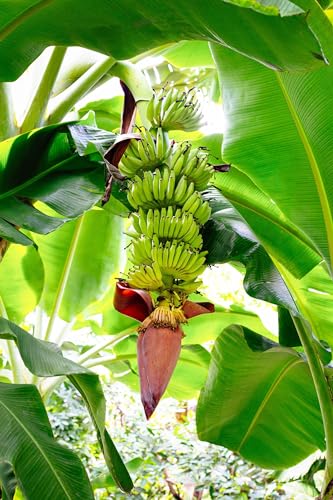
Live Plants for Planting 🌱 – Includes 4 rooted Musa basjoo banana plants, ready to plant in your garden or large pots.

Growing banana plants at home promotes sustainability and self-sufficiency. Customers can reduce their reliance on store-bought bananas, which often come from far distances, and enjoy the satisfaction of harvesting their own organic fruit.
Common Myths and Misunderstandings
Many believe a banana tree dies permanently after fruiting. In reality, the original stem, or pseudostem, dies, but the plant continues through new growth. You might hear people say a banana tree is a one-time fruit-bearing plant. This isn’t the case. The tree produces offsets, or pups, which can grow into new plants. Each pup can bear fruit, allowing the cycle to repeat.
Another myth suggests that all banana varieties behave the same way after fruiting. Different varieties, like Cavendish or Red Banana, may have unique growth patterns and timelines. Understanding the specific variety you’re growing can help with care and expectations.
Scientific Explanation
The flowering and fruiting process typically takes 9-12 months. After this period, the banana plant produces a large flower spike, which later develops into fruit. As the fruit matures, the energy used for growth and development drains the original pseudostem.
Once fruiting concludes, the plant channels its energy into the pups at the base. These pups emerge from suckers and can grow into new pseudostems. In essence, while the original plant dies, a new generation continues to thrive. This regenerative cycle ensures a sustainable yield of bananas, making proper care of the pups essential for ongoing harvests.
Aftercare for Banana Trees
After harvesting bananas, proper care supports the health and vitality of your banana trees. This maintenance encourages new growth and enhances future yields.
Recommended Products
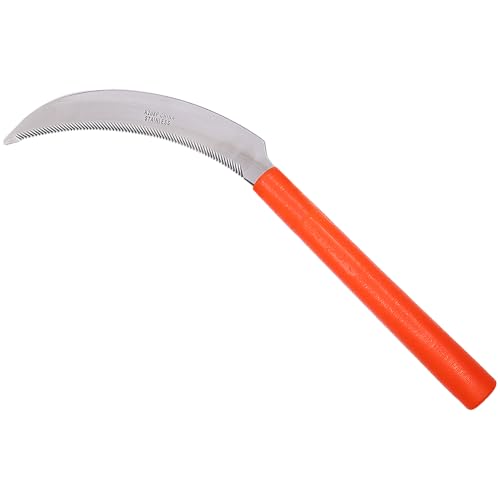
PRECISION CURVED SERRATED BLADE: Features a 6.5-inch curved stainless steel blade with light serration for controlled grass cutting, weeds, and plant stems. The curved profile supports efficient pull cuts, improving control and cutting accuracy in garden rows, raised beds, and tight working areas during routine maintenance.

Adjustable and Durable Handle - Extendable Loppers: The lopping shears are adjustable from 16 inches to 24 inches, allowing you to handle tall branches easily. The iron arm is more sturdy and durable, and will not bend even when cutting large and thick branches.

Sharp Mn Steel Blade for Fast & Clean Cuts: This pole saw uses a sharp three-sided edge with a double-sided barb design to grip branches securely and cut smoothly from multiple angles. The Mn steel blade is durable, rust-resistant, and lightweight, delivering fast, clean cuts. This is a manual pole saw with detachable pole sections for adjustable reach, not pruner, not a telescoping pole; it is neither electric nor battery-powered.
Importance of Pruning
Pruning banana trees helps maintain their health. Trim off dead or damaged leaves to prevent diseases. Remove the old pseudostem after the fruiting cycle, allowing space for new pups. Regularly check for pests and disease symptoms, removing affected areas promptly. Effective pruning also improves air circulation and sunlight exposure, promoting overall plant vigor.
Encouraging New Growth
Encouraging new growth involves nurturing the pups that emerge from the base of the tree. Select healthy pups, ideally those at least three feet tall. Gently dig around the root systems to separate them from the parent plant. Replant pups in fertile soil, keeping them well-watered for the first few weeks to establish roots. Mulching around the base of each newly planted pup helps retain moisture and control weeds. Monitor these pups, ensuring they receive adequate nutrients and water, supporting them to bear fruit in the future.
Conclusion
Understanding the life cycle of banana trees can really enhance your gardening experience. While the original stem may die after fruiting it’s exciting to know that new pups will continue the cycle. With proper care and attention you can enjoy a sustainable harvest year after year.
Don’t forget to nurture those pups and keep an eye on your plants for any signs of pests or diseases. By doing so you’ll ensure your banana trees remain healthy and productive. So go ahead and embrace the journey of growing your own bananas. You’ll be rewarded with delicious fruit and a beautiful addition to your garden.
Frequently Asked Questions
What is the life cycle of a banana tree?
The life cycle of a banana tree begins with a seed or sucker, growing for 9-12 months before flowering. After producing fruit, the original stem dies, but new pups grow from the base, allowing the cycle to continue. This regenerative process ensures ongoing fruit production.
How long does it take for a banana tree to bear fruit?
A banana tree typically takes 9 to 12 months to bear fruit after planting. This period includes growth and flowering stages, where the tree develops its large hanging flower spike before the fruit forms.
Do banana trees die after they produce fruit?
No, banana trees do not die permanently after fruiting. While the original stem dies, new offsets or pups emerge from the base, allowing the plant to continue growing and producing fruit.
What are banana pups, and what should I do with them?
Banana pups are the new shoots that grow from the base of the banana tree. It’s important to nurture these pups, replant them in fertile soil, and provide adequate care, as they can eventually grow into mature banana plants that bear fruit.
How can I care for my banana tree after it fruits?
Post-harvest care includes pruning dead leaves, removing the old pseudostem, and checking for pests and diseases. Proper nutrition, including water and fertilizer, is also essential for the health of the new pups and future fruit production.
