

Are your fruit trees looking a bit overgrown? Maybe you’re wondering when’s the right time to trim them back for better growth and fruit production. Proper pruning can make all the difference in the health of your trees and the quality of your harvest.
Key Takeaways
- Importance of Pruning: Regular pruning enhances fruit tree health by removing dead or diseased branches, promoting strong growth, and increasing fruit production.
- Timing Matters: The best time to prune is in late winter or early spring, before new growth starts, depending on the type of fruit tree.
- Signs to Prune: Look for overgrown trees, crowded branches, and visible disease or damage to determine when to cut back.
- Benefits of Cutting Back: Proper pruning improves airflow, sunlight exposure, fruit quality, and simplifies maintenance tasks for healthier trees.
- Essential Tools: Use the right tools—pruning shears, loppers, and pruning saws—for effective cutting and ensure they are sanitized to prevent infection.
- Pruning Techniques: Make clean angled cuts, thin out branches, and maintain a balanced structure to optimize tree health and maximize fruit yield.
Understanding Fruit Tree Pruning
Pruning fruit trees plays a crucial role in their vitality and productivity. Knowing when and how to prune promotes strong growth and maximizes your harvest.
Importance of Pruning
Pruning shapes the overall structure of fruit trees. It removes dead or diseased branches, reducing the risk of pests and diseases. Proper pruning also encourages the development of healthy fruit-bearing branches. This maintenance ensures better air circulation and sunlight penetration, which are vital for growth.
Benefits of Cutting Back
Cutting back your fruit trees offers multiple benefits:
- Improved Airflow: More open canopies promote airflow, minimizing fungal diseases.
- Enhanced Sunlight Exposure: Sunlight boosts photosynthesis, resulting in healthier fruit.
- Better Quality Fruit: Pruned trees produce larger, sweeter, and more abundant fruit.
- Easier Maintenance: A well-pruned tree simplifies tasks like harvesting and pest control.
By regularly pruning your fruit trees, you’ll create a more manageable and productive garden.
Signs That Indicate It’s Time to Cut Back
Recognizing the right moment to cut back your fruit trees ensures healthy growth and better fruit production. Several clear signs can guide you in your pruning efforts.
Recommended Products

★ 1. What you get: Professional convenient grafting tool set including a dual-use grafting pruner tool contain 2 extra replaceable blades, a wrench and a screwdriver, along with 36pcs wide rubber bands, 150 thick rubber bands and 1 grafting tape, packed in a black wallet to meet all your needs

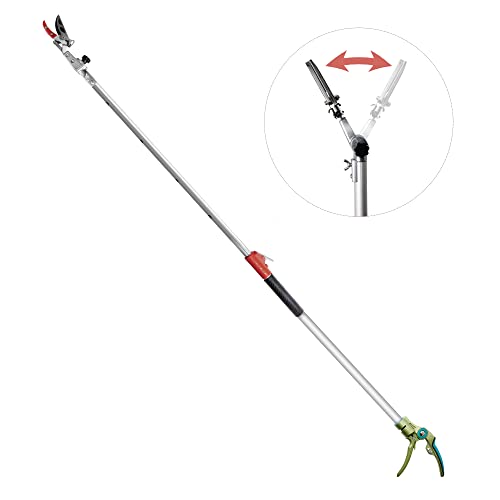
[Helpful Garden Tool] GARTOL brings to you a lightweight and extendable pruning tool to reach out to the least approachable arenas of your garden. You can conveniently get across other plants to remove the fastgrowing brambles and sting nettles without getting scratched or hurt. For gardening lovers, the telescopic pruner cutter head can can be rotated which resolves mobility issues and gives you the pleasure of trimming your garden without bending down or using a ladder to climb and cut them.
Overgrown Trees
Overgrown trees exhibit excessive foliage that can hinder fruit production. If you notice branches crowding each other or forming dense clusters, it’s time for a trim. Cutting back promotes better airflow and sunlight access, which encourages healthier growth. Aim to remove around one-third of the tree’s new growth during pruning. This practice helps maintain a manageable shape and supports fruit development.
Diseased or Damaged Branches
Diseased or damaged branches present significant issues for your trees. Look for signs like discoloration, wilting, or cankers. Infected branches can spread disease to healthy parts of the tree. Remove these branches promptly to protect overall health. Cut back any broken or dead limbs to prevent decay and ensure your tree can focus its energy on producing fruit. Always use clean, sharp tools to minimize the risk of infection during the process.
Best Time to Cut Back Fruit Trees
Timing matters when it comes to pruning fruit trees. The most effective pruning occurs during specific seasons to promote health and fruit production.
Recommended Products

CLEAN CUTS FOR LIVE GROWTH: Bypass blade design is ideal for pruning delicate flower stems and green growth, helping reduce crushing and plant damage while cutting stems and small branches up to 5/8” in diameter

· ULTRA-SHARP SK5 STAINLESS STEEL - Engineered with premium SK5 stainless steel, these heavy duty pruning shears deliver razor-sharp precision and maximum hardness. The rust-resistant blades are designed to stay sharp longer, effortlessly resisting corrosion and sap buildup for smooth, friction-free garden shears performance year after year.

LONG-LASTING SHARPNESS: Japanese SK5 bypass blade with titanium coating is tested through 5,000 cuts to maintain a sharp edge and deliver clean, consistent cuts on live stems and branches
Seasonal Considerations
Prune fruit trees during late winter or early spring, before new growth begins. This timing encourages recovery from pruning and stimulates growth. For specific types of trees, consider the following:
- Deciduous Trees: In temperate regions, prune deciduous trees once they are dormant but before they bloom, typically from late February to early April.
- Stone Fruit Trees: For cherries, peaches, and plums, late winter is ideal. This timing reduces the risk of disease from pruning cuts.
- Apple and Pear Trees: These trees thrive with late winter or early spring pruning. Focus on removing dead or damaged branches.
By following these seasonal guidelines, you promote healthy growth and a fruitful harvest.
Factors Influencing Timing
Several conditions can influence when you should cut back fruit trees:
- Tree Type: Different species respond better to different pruning times. Research your specific fruit tree variety for optimal timing.
- Climate: Consider your local climate. In warmer regions, pruning may occur earlier, while colder climates might require later pruning during dormancy.
- Tree Condition: Assess the tree’s health. If overcrowding, disease, or damage is evident, prune as soon as you notice these issues, regardless of season.
- Growing Habit: For trees that grow vigorously, pruning more frequently can manage their size. Regular light pruning can prevent the need for drastic cuts later on.
By understanding these factors, you can effectively determine the best time to cut back your fruit trees for optimal health and productivity.
Techniques for Cutting Back
Effective cutting back of fruit trees involves specific techniques to ensure healthy growth and fruit production. Using the right tools and methods enhances your pruning success.
Tools Needed
- Pruning Shears: For small branches, sharp hand pruners make clean cuts.
- Loppers: Use these for branches up to 2 inches thick; they provide more leverage.
- Pruning Saw: Select this for larger, thicker branches that need significant cutting.
- Gloves: Protect your hands from sharp branches and rough bark.
- Cleaning Solution: Use a 10% bleach solution or rubbing alcohol to sanitize tools.
Having the right tools on hand makes the pruning process smoother and more efficient.
- Start with Planning: Identify branches to cut based on your goals for tree health and fruit production.
- Make Clean Cuts: Avoid jagged edges to reduce healing time and infection risk.
- Cut at an Angle: Angled cuts promote water runoff, minimizing rot.
- Thin Out Branches: Remove one-third of new growth to improve airflow and light penetration.
- Focus on Structure: Maintain a balanced shape by removing competing branches and those growing inward.
- Address Damaged Areas: Cut back any diseased or dead limbs to prevent illness spread.
Incorporating these techniques into your pruning routine enhances your fruit trees’ vitality and productivity.
Conclusion
Taking the time to cut back your fruit trees can make a world of difference in their health and productivity. By recognizing the right signs and timing for pruning you’ll help your trees thrive and produce better fruit. Remember to use the proper tools and techniques to ensure clean cuts that promote healing.
With a little effort and care you can enjoy a flourishing garden filled with delicious fruit for years to come. Happy pruning and may your trees reward you with bountiful harvests!
Frequently Asked Questions
Why is pruning important for fruit trees?
Pruning is essential for fruit trees as it enhances their health, growth, and fruit production. By removing dead or diseased branches, pruning encourages the development of healthy fruit-bearing branches, improves airflow, and allows better sunlight exposure, leading to a more productive garden.
When is the best time to prune fruit trees?
The best time to prune fruit trees is late winter or early spring while they are still dormant. This timing helps minimize stress on the trees and stimulates vigorous growth once the growing season begins.
How much of the tree should I prune?
It is generally recommended to prune about one-third of the tree’s new growth. This approach promotes better airflow, sunlight access, and encourages the development of high-quality fruit.
What tools do I need for pruning fruit trees?
Essential tools for pruning include pruning shears, loppers, and pruning saws. Using clean, sharp tools is crucial for making clean cuts, which minimizes the risk of infection and promotes quicker healing.
What are signs that my fruit tree needs pruning?
Signs that indicate a need for pruning include excessive foliage, overgrown branches, and the presence of dead or diseased wood. Addressing these issues helps boost health and productivity in your fruit trees.
Can I prune fruit trees in the summer?
Summer pruning can be beneficial but should be done cautiously. It is typically used for maintaining shape and removing excessive growth. However, it may discourage fruit production if done too late in the season.
How do I know which branches to cut?
Prioritize cutting dead, diseased, or crossing branches. Focus on thinning out crowded areas to improve airflow and sunlight access. Maintain a balanced structure to support healthy growth and fruit production.
