

Wondering how often to water your fruit trees in Arizona? You’re not alone. Many gardeners struggle with this crucial task, especially in a climate that can be unforgiving. Too much water can drown roots, while too little can leave your trees thirsty and stressed.
Key Takeaways
- Watering Frequency is Key: Established fruit trees need watering every 1 to 2 weeks, while newly planted trees require more frequent watering, about every 5 to 7 days.
- Consider Soil Type: Sandy soils drain quickly and require more frequent watering, while clay soils retain moisture longer and need watering less often.
- Seasonal Adjustments: Increase watering frequency during hot summers and reduce it in cooler months, considering local weather conditions.
- Mulching Benefits: Applying 3 to 4 inches of organic mulch around fruit trees helps retain soil moisture and keeps roots cool.
- Signs of Water Stress: Monitor for wilting leaves, yellowing foliage, or fruit drop, indicating a needed adjustment in watering.
- Use Tools for Monitoring: Moisture meters and drip irrigation systems can aid in managing effective watering, ensuring trees receive adequate moisture without overwatering.
Understanding Fruit Trees’ Water Needs
Fruit trees require consistent watering to thrive in Arizona’s arid climate. Understanding their specific water needs can help prevent issues like root suffocation or dehydration.
Watering Frequency
Watering frequency depends on several factors, including the age of the tree, the type of fruit tree, and the soil condition. Established fruit trees generally need watering every 1 to 2 weeks during the growing season. Newly planted trees need more frequent watering, about every 5 to 7 days, to establish strong roots.
Soil Type Considerations
Soil type plays a crucial role in how quickly water drains and how well it retains moisture. Sandy soils drain quickly, necessitating more frequent watering. Clay soils retain moisture longer, requiring less frequent watering. Always check the soil moisture by digging a few inches down; if it feels dry, it’s time to water.
Seasonality
Seasonal shifts also affect watering habits. During the hot summer months, increase watering frequency due to higher evaporation rates. In cooler months, reduce watering as trees enter dormancy. Monitor the weather; rainfall can reduce your watering needs.
Mulching
Using mulch around your fruit trees helps retain moisture in the soil. A 3 to 4-inch layer of organic mulch can reduce evaporation, keeping roots cooler and hydrated. Replenish mulch as needed to maintain coverage.
Signs of Water Stress
Look for signs of water stress in your trees, such as wilting leaves, yellowing foliage, or fruit drop. These signs indicate that adjusting your watering schedule is necessary. Always act promptly to address water needs before permanent damage occurs.
Tools for Monitoring
Consider using moisture meters to gauge soil moisture levels. These tools offer precise readings, helping you manage watering effectively. Additionally, drip irrigation systems provide consistent moisture without overwatering, making them ideal for fruit trees in arid environments.
By following these guidelines, you can ensure your fruit trees receive the right amount of water to flourish in Arizona’s harsh conditions.
Factors Influencing Watering Frequency
Watering frequency for fruit trees in Arizona depends on several key factors. Understanding these elements ensures your trees receive the right amount of moisture.
Recommended Products
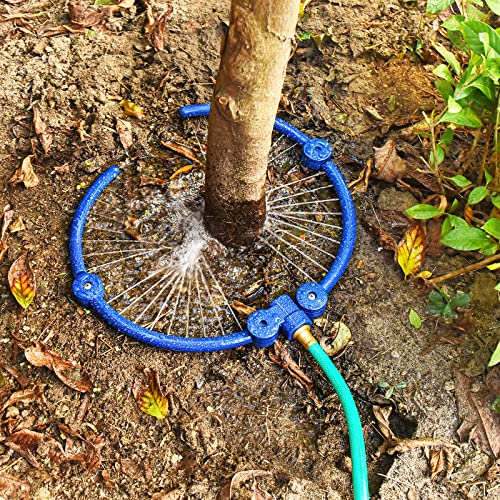
【Specially Designed for Trees and Shrubs】 The Watering Ring is a multi-purpose irrigation ring that attaches to a garden hose to efficiently water young trees shrubs vegetables or flower beds using drip or trickle irrigation.It directs water to the root perimeter of the plant to give them a good start during the first two growing seasons or through periods of drought.

This IRRIRIGATION DRIPPER is divided into 90 ° with Plunger, 180 ° with Plunger, and 360 ° with Plunger. For details, please check the size, please follow the corresponding products according to your needs.

【Universal 1/4 Inch Size Set】- Designed for US market compatibility,MIXC new drip irrigation system set uses 1/4 inch (6mm) components to address potential mismatches with standard hoses, unlike some 5/16 inch systems. It includes 2-way connectors, tubing, and 3-way connectors to help users set up DIY garden irrigation more conveniently.
Climate Considerations
Climate plays a significant role in watering frequency. In Arizona, hot summers with temperatures often exceeding 100°F can quickly dry out the soil. During these periods, you might notice your trees needing more water, potentially every 5 to 7 days. Conversely, cooler months may reduce watering needs, allowing you to extend the interval to 2 to 4 weeks. Monitoring local weather conditions helps you adjust your watering schedule effectively.
Soil Type and Quality
Soil type greatly influences water retention. Sandy soil drains quickly, requiring more frequent watering. If you’re growing trees in sandy soil, plan to water every few days, especially in the summer. Clay soil retains moisture longer, but it also has drainage issues. When working with clay, you might water every 1 to 2 weeks, depending on the weather. Testing your soil’s texture can provide valuable insights into your watering needs.
Tree Age and Type
The age and type of your fruit trees impact their water requirements. Newly planted trees need consistent moisture, typically every 5 to 7 days, to establish strong root systems. Established trees, however, adapt better to prolonged dry spells and generally require watering every week or two. Also, different tree species have varying needs; for instance, citrus trees often require more water than stone fruit trees like peaches or cherries. Researching specific requirements for your tree types ensures optimal growth and fruit production.
General Guidelines for Watering
Watering fruit trees in Arizona requires attention to specific needs based on their age and type. This section provides crucial information for managing tree hydration effectively.
Recommended Products

【Unique Design Deep Root Tree Watering Tool】 Our root watering tool have four exit hole for the water,won't got clogged easily,It made of stainless steel,not rusting from the inside out.It can leave in the soil and is strong enough to drive through gravel,help your plants build a strong root system .

The 24-inch (2 ft) DEEP DRIP Watering Stake delivers water and nourishes trees, including fruit, flowering, nut, and growing trees; right at the roots!

This IRRIRIGATION DRIPPER is divided into 90 ° with Plunger, 180 ° with Plunger, and 360 ° with Plunger. For details, please check the size, please follow the corresponding products according to your needs.
Young Fruit Trees
Young fruit trees demand consistent moisture to develop strong root systems. Water these trees every 5 to 7 days during the growing season. Adjust the frequency based on the weather; if conditions are particularly hot or dry, increase the watering frequency to every 3 to 4 days. Always check the soil moisture before watering; the top 2 to 3 inches should feel dry but not completely parched. Use mulch around the base to help retain moisture and protect the young roots.
Mature Fruit Trees
Mature fruit trees adapt better to dry spells but still require regular watering to ensure healthy fruit production. Generally, aim to water these trees every 1 to 2 weeks, depending on the season and soil type. In the hotter months, trees may need water more frequently. Check the soil moisture; it should remain slightly damp 6 to 12 inches below the surface. In cooler months, you can extend the intervals to 2 to 4 weeks. Implementing a drip irrigation system helps deliver water directly to the roots, minimizing waste and improving efficiency.
Seasonal Watering Adjustments
Adapting your watering routine for fruit trees in Arizona requires attention to seasonal changes. Understanding how spring, summer, fall, and winter affect your trees helps you provide the right amount of water throughout the year.
Recommended Products
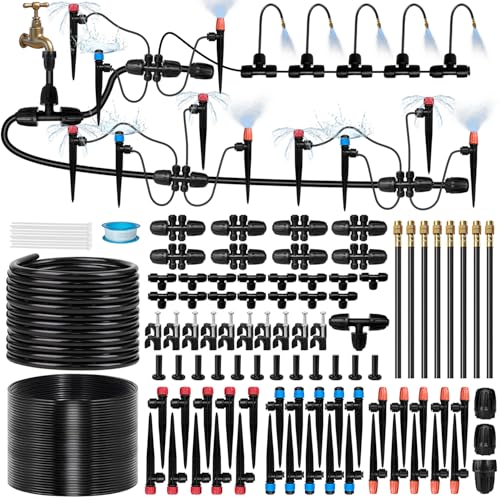
【Upgraded Tube Design & Water Saving】 Our garden watering system is upgraded to 1/2” diameter to support high water pressure. The 1/2” tee connector allows seamless splitting into 2 independent zones for customized watering schedules. By delivering moisture directly to root zones, this drip Irrigation system significantly reduces evaporation and runoff—saving more water compared to conventional sprinklers while eliminating the need for manual watering.

Comes with 33 FT of durable 1/2" main line, 200 FT of 1/4" drip line, 40 emitters, and all necessary fittings for lawns, greenhouses, flower beds, and more

Quick & Easy Filling: No adjustments required and kid friendly operation for hassle-free watering
Spring and Summer
During spring and summer, fruit trees experience active growth and fruit production, increasing their water needs. Water your newly planted trees every 5 to 7 days, as they’re establishing their root systems. Established trees may require watering every 1 to 2 weeks. Monitor soil moisture to ensure adequate hydration; if the top 2 inches of soil feel dry, it’s time to water.
Consider using drip irrigation systems to deliver water directly to the roots. This method promotes efficiency and reduces evaporation, especially during peak summer heat. Adding mulch can also aid in moisture retention, so spread a layer around your trees, keeping it an inch away from the trunk.
Fall and Winter
In fall, as temperatures cool, reduce the frequency of watering. Established trees can go longer between waterings, typically every 2 to 4 weeks. Newly planted trees may still need water every 1 to 2 weeks, but always check the moisture level first. Look for signs of stress, such as leaf curling, to gauge your trees’ needs.
During winter, fruit trees usually enter dormancy, further decreasing their water requirements. Water established trees only if there’s a prolonged dry spell, especially in January and February. Ensure the soil remains slightly moist but avoid overwatering, which can lead to root rot in colder conditions.
Regularly checking soil moisture and adjusting your watering schedule according to the seasonal needs of your trees keeps them healthy and thriving throughout the year.
Conclusion
Taking care of your fruit trees in Arizona means understanding their unique watering needs. By keeping an eye on soil moisture and adjusting your watering schedule according to the season you’ll help your trees thrive. Remember that newly planted trees need consistent moisture while established ones can handle a bit more dryness.
Using mulch and efficient irrigation systems can make a big difference too. With a little attention and care your fruit trees will reward you with delicious harvests for years to come. Happy gardening!
Frequently Asked Questions
How often should I water newly planted fruit trees in Arizona?
Newly planted fruit trees in Arizona should be watered every 5 to 7 days during the growing season. Consistent moisture is critical for establishing strong roots, especially in the state’s hot climate.
What is the watering frequency for established fruit trees?
Established fruit trees typically need watering every 1 to 2 weeks. However, this can vary depending on the season, tree species, and soil conditions. Always check soil moisture to ensure proper hydration.
Does soil type affect watering needs?
Yes, soil type significantly impacts watering needs. Sandy soils drain quickly and require more frequent watering, while clay soils retain moisture longer but may have drainage issues. Adjust your watering schedule based on your soil type.
How does the season impact watering fruit trees?
Seasons affect watering frequency; trees generally need more water in spring and summer due to active growth and fruit production. In fall, reduce watering, and in winter, only water during prolonged dry spells.
What tools can help manage watering fruit trees?
Using moisture meters can help determine soil moisture levels effectively. Additionally, a drip irrigation system can deliver water directly to the roots, enhancing efficiency and reducing waste.
Can mulch help with watering?
Yes, applying mulch around fruit trees helps retain soil moisture and reduces evaporation. It also regulates soil temperature, benefiting the tree’s health and reducing the need for frequent watering.
What are signs of water stress in fruit trees?
Signs of water stress include wilting leaves, leaf drop, and slow growth. If you notice these symptoms, check the soil moisture and adjust your watering schedule accordingly to ensure your trees remain healthy.
