

Have you ever wondered why your fruit trees aren’t producing as much fruit as you’d like? You might be missing one crucial element: bees. These little pollinators play a vital role in helping your trees thrive and bear delicious fruit. Without them, your garden might not reach its full potential.
Key Takeaways
- Importance of Bees: Bees are essential for pollinating fruit trees, facilitating seed and fruit production, and significantly impacting yields.
- Plant Diverse Flowers: Create a variety of blooming flowers throughout the growing season to provide a steady food source for different bee species.
- Nesting Habitats: Install bee hotels and leave natural areas for solitary bees to nest, thus encouraging their presence in your garden.
- Water Sources: Provide shallow water dishes with pebbles to give bees a safe place to land and hydrate.
- Reduce Pesticide Use: Minimize or eliminate pesticides in your garden to protect bee populations and enhance pollination.
- Encourage Biodiversity: Promote a diverse plant environment with native species and varying heights to attract a wider range of pollinators.
Understanding The Importance Of Bees
Bees play a crucial role in pollinating fruit trees. By transferring pollen from one flower to another, bees enable trees to produce seeds and fruit. This natural process supports healthy tree growth and maximizes fruit yields.
Pollinators, especially bees, contribute to about 75% of the world’s food crops. This includes apples, cherries, and citrus fruits. Without sufficient bee activity, many of these trees struggle to set fruit.
You might notice a direct connection between bee populations and your garden’s productivity. When bee numbers are low, fruit trees often produce fewer blossoms and, consequently, less fruit. Enhancing your garden’s bee-friendly environment leads to improved fruit production.
To attract bees effectively, consider planting a variety of flowering plants that bloom at different times. This approach ensures a consistent food source throughout the growing season. Additionally, avoid pesticides, as these chemicals harm bee populations and deter them from visiting your fruit trees.
Creating habitats for bees is equally important. Leaving patches of wildflowers or preserving natural areas encourages them to visit your garden. Water sources, like shallow dishes filled with pebbles and water, provide hydration for foraging bees.
Supporting healthy bee populations is essential for thriving fruit trees. You can maximize fruit production by fostering a bee-friendly ecosystem in your garden.
Types Of Bees That Pollinate Fruit Trees
Various bee species play a vital role in pollinating fruit trees. Understanding these types can help you attract them effectively to your garden.
Honey Bees
Honey bees are the most recognized pollinators. These social bees live in colonies of thousands and are highly efficient at transferring pollen. They’re known for their preference for flowering plants, such as apple and cherry trees. Planting a variety of flowers that bloom throughout the season will provide food for honey bees. They also thrive in warmer temperatures, so maintaining a sunny garden spot encourages their visits.
Bumblebees
Bumblebees are larger and fuzzier than honey bees. They are excellent pollinators for plants that require a technique called buzz pollination, such as tomatoes and blueberries. Bumblebees can forage in cooler and cloudier conditions, making them reliable pollinators when honey bees are less active. To attract bumblebees, focus on planting native wildflowers and herbs, like lavender and echinacea. Providing nesting sites like undisturbed soil or brush piles can further encourage them.
Solitary Bees
Solitary bees, such as mason and leafcutter bees, do not live in colonies. Instead, each female builds her own nest. These bees are crucial for the pollination of various fruit trees, as they are excellent at gathering pollen. Solitary bees often prefer specific plants and benefit from diverse flower options in your garden. Create bee habitats by installing bee hotels or leaving small piles of twigs and stems, allowing these bees to thrive and pollinate effectively.
Strategies For Attracting Bees
Attracting bees benefits your fruit trees and promotes a healthy ecosystem. Implementing a few strategies can significantly increase bee visitation.
Recommended Products

Mason Bees Love Them - Outside diamter - 3/8 inches , inside diameter- 5/16 inches, length 6inches.The ideal dimensions and inner diameter for mason bees, they’ll feel right at home. Your garden, farm, or back yard will be buzzing with these solitary bees in no time! Best of all, they’re very friendly bees.

Natural Phragmites Reed Material: Hand-cut from pure natural reeds to provide a breathable and dry nesting environment for solitary bees, unlike cardboard tubes that easily deform in the rain, these hollow reed tubes manage moisture naturally to keep Brood cells safe

Bee Hotels Tubes🐝🐝 --- Each piece of mason bee tube refill is 6 inches/15 cm, reasonable size for mason bee, you can cut to fit your use. Solitary mason bees prefer completely enclosed spaces to build their nests
Planting Bee-Friendly Flowers
Plant a variety of bee-friendly flowers that bloom at different times throughout the growing season. Include native wildflowers like coneflowers, black-eyed Susans, and bee balm. Choose herbs such as lavender, mint, and thyme, which not only attract bees but also add flavor to your cooking. Aim to create clusters of flowers to make them more visible and appealing to bees. Keep at least three types of flowers blooming from early spring to late fall to provide continuous food sources for bees.
Providing Water Sources
Provide clean, shallow water sources to attract bees. Fill a shallow dish or birdbath with water. Add small rocks or pebbles to give bees landing spots. Make sure to refill the water regularly, especially during hot days. A simple dish can help create a buzzing oasis in your garden that encourages bees to visit frequently.
Creating Habitat Nests
Create nesting habitats for solitary bees, which are important pollinators. Use hollow stems, bamboo tubes, or wooden blocks with drilled holes to set up bee hotels. Place these habitats in sunny, sheltered locations. Avoid using chemical treatments on wood, as this can be harmful to bees. Additionally, leave patches of bare soil for ground-nesting bees. These simple steps create safe spaces for bees to live and thrive, increasing their presence in your garden.
Best Practices For Maintaining A Healthy Environment
Creating a healthy environment for bees enhances pollination and boosts fruit production. Focus on practical strategies that promote bee-friendly practices.
Recommended Products

PURE, CERTIFIED ORGANIC NEEM - Our Jiva Organics Neem Powder is high quality, pure and grown on certified organic farms without the use of pesticides, fertilizers, and other chemicals. Pure Organic Neem Leaf Powder ground.

USDA Certified Organic Neem Oil – Made from 100% pure neem seed oil, cold pressed and unrefined. Contains no additives, solvents, preservatives, or fillers.
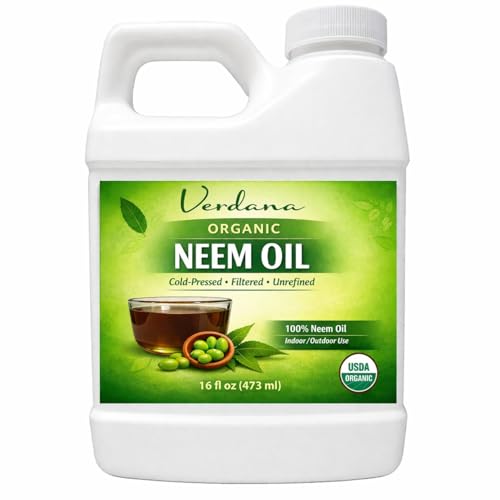
USDA Certified Organic Neem Oil – Made from 100% pure neem seed oil, cold pressed and unrefined. Contains no additives, solvents, preservatives, or fillers.
Reducing Pesticide Use
Reducing pesticide use significantly benefits bee populations. Pesticides, especially neonicotinoids, harm bees through direct exposure and contaminated nectar. Consider these steps:
- Choose Organic Alternatives: Opt for organic pest control methods, such as neem oil or insecticidal soaps. These options are less harmful to bees.
- Apply Treatments Wisely: If you must use pesticides, apply them in the evening when bees are less active. This minimizes the risk of exposure.
- Target Problem Areas: Focus treatments on specific problem areas, reducing overall usage while protecting beneficial pollinators.
Encouraging Biodiversity
Encouraging biodiversity in your garden creates a thriving ecosystem for bees and other pollinators. Implement these tips to promote a diverse plant environment:
- Plant Native Species: Select native flowering plants that bloom at various times. Local plants support native bee species and provide ample food sources.
- Create Layers: Incorporate plants of different heights and flower shapes. This variety attracts different bee species with unique preferences.
- Incorporate Herbs: Add herbs like lavender, thyme, and basil. These not only attract bees but also enhance your garden’s utility.
Following these best practices helps sustain a healthy environment for bees and contributes to abundant fruit tree production.
Conclusion
Attracting bees to your fruit trees is a rewarding journey that benefits both your garden and the environment. By creating a bee-friendly habitat and choosing the right plants you can encourage these vital pollinators to visit your garden.
Remember to provide a variety of blooms and clean water sources while minimizing pesticide use. The more diverse and welcoming your space is the more likely bees will thrive and enhance your fruit production.
With a little effort and care you can enjoy a bountiful harvest and contribute to the well-being of these essential creatures. Happy gardening!
Frequently Asked Questions
Why are bees important for fruit trees?
Bees play a crucial role in pollination, which is essential for the development of fruit trees. They transfer pollen between flowers, leading to seed and fruit formation. With around 75% of the world’s food crops relying on pollinators, a decline in bee populations can directly reduce fruit yield.
What can I do to attract bees to my garden?
To attract bees, plant a variety of flowering plants that bloom at different times throughout the season. Avoid using harmful pesticides and create bee-friendly habitats by leaving patches of wildflowers and providing clean water sources.
What types of bees pollinate fruit trees?
The main types of bees that pollinate fruit trees include honey bees, bumblebees, and solitary bees. Honey bees thrive in colonies, bumblebees perform well in cooler conditions, and solitary bees, like mason and leafcutter bees, don’t live in colonies but are effective pollinators.
How do I create a bee-friendly environment?
To create a bee-friendly environment, reduce pesticide use, especially harmful ones like neonicotinoids. Encourage biodiversity by planting native species, providing diverse flower options, creating plant layers, and offering nesting habitats such as bee hotels.
What are the best practices for maintaining bee health in gardens?
Best practices include using organic alternatives to pesticides, applying treatments wisely, and targeting specific problem areas. Additionally, planting a variety of bee-friendly flowers and maintaining a clean water source supports a healthy bee population and enhances fruit production.
