

Ever wondered if you need two Asian pear trees to enjoy those sweet, crunchy fruits? You’re not alone. Many gardeners face the same question when planning their orchards. It can be confusing, especially if you’re excited to harvest your own delicious pears.
Key Takeaways
- Self-Pollinating vs. Cross-Pollinating: Some Asian pear tree varieties can produce fruit alone, but planting two different varieties enhances yield and fruit quality through cross-pollination.
- Choose Compatible Varieties: For optimal growth, select varieties that bloom simultaneously, such as ‘Shinsyu’ and ‘Korean Giant,’ to ensure effective pollen transfer.
- Ideal Planting Conditions: Plant Asian pear trees in sunny locations with well-draining soil, ensuring proper spacing of at least 12 to 20 feet for healthy growth and airflow.
- Consistent Care Practices: Maintain consistent watering, fertilization, and pruning to promote strong growth, prevent diseases, and enhance fruit production.
- Soil Management: Ensure the soil’s pH is between 6.0 and 7.5, and amend heavy or sandy soils with organic matter for improved structure and fertility.
- Regular Pest Monitoring: Keep an eye out for pests like aphids and pear slugs, conducting regular inspections to prevent damage and ensure a bountiful harvest.
Understanding Asian Pear Trees
Asian pear trees belong to the genus Pyrus and are known for producing sweet, crisp fruits. Here’s what you need to know about their growth and pollination habits.
Pollination Requirements
- Self-Pollinating: Some varieties can produce fruit without another tree nearby. However, yields may be lower.
- Cross-Pollination: Planting two different varieties significantly boosts production. Cross-pollination can enhance fruit size and quality.
Variety Selection
- Choose Compatible Varieties: For optimal fruiting, select trees that bloom at the same time. Options include ‘Shinsyu’ and ‘Korean Giant.’
- Consider Hardiness Zones: Ensure your chosen varieties thrive in your local climate. Most Asian pears flourish in USDA zones 5-9.
Planting Tips
- Space Appropriately: Leave at least 12 feet between trees to allow sunlight and airflow. Proper spacing prevents disease.
- Location: Choose a sunny, well-draining spot with protection from strong winds. This helps the tree establish a strong root system.
Maintenance Practices
- Watering: Keep soil evenly moist, especially during fruit set. Avoid waterlogging, which can cause root rot.
- Pruning: Regularly prune to maintain shape and remove dead or diseased branches. This promotes healthier growth.
- Fertilization: Use a balanced fertilizer in spring. This encourages robust growth and fruit production.
- Pest Management: Monitor for pests like aphids and pear slugs. Regular inspections can prevent extensive damage.
Planting one Asian pear tree is possible, but for a bountiful harvest, consider adding another tree. Take these factors into account to ensure your garden thrives with delicious, crunchy Asian pears.
Pollination Requirements
Understanding the pollination requirements of Asian pear trees is key to successful fruit production. While some trees thrive on their own, others benefit greatly from companionship.
Self-Pollinating Varieties
Certain Asian pear tree varieties, such as “Chojuro” and “Shinko,” are self-pollinating. These trees can produce fruit without the need for another tree nearby. However, the fruit quality and quantity may be less impressive. You may notice smaller pears and lower yields when growing these varieties alone.
Cross-Pollination Benefits
Planting two or more different Asian pear tree varieties often leads to better fruit development. For example, pairing “Chojuro” with “Kousui” enhances pollination chances. Cross-pollination can boost fruit size, sweetness, and overall quality significantly. Trees that bloom around the same time ensure that the pollen transfers effectively. Remember to choose trees that are compatible to maximize your harvest potential.
Planting Considerations
Planting Asian pear trees requires careful thought about location and soil conditions to ensure a successful harvest.
Recommended Products


Harvest Season: Produces large, round, golden-brown pears ready for harvest from late summer to early fall

PREMIUM QUALITY | Cold storage and humidity control for keeping the seeds healthy and fresh at all times*.
Choosing the Right Location
Select a sunny spot for your Asian pear trees. Aim for at least six to eight hours of direct sunlight daily. Avoid areas with excessive shade from buildings or other trees. Ensure good air circulation around the trees to help prevent diseases. Consider proximity to other fruit trees that bloom at the same time, as this maximizes cross-pollination opportunities. Space your trees at least 15 to 20 feet apart to promote healthy growth and reduce competition for nutrients.
Soil Requirements
Asian pear trees thrive in well-draining soil with a pH between 6.0 and 7.5. Test your soil to check its pH and nutrient levels. If your soil is heavy clay or overly sandy, amend it. Mix in organic matter like compost or well-rotted manure to improve soil structure and fertility. Good drainage is essential; standing water can harm tree roots. Consider building raised beds with quality soil if drainage poses an issue. Regularly check moisture levels, as Asian pear trees prefer moist but not waterlogged conditions.
Care and Maintenance
Caring for Asian pear trees involves consistent attention to watering, fertilization, and pruning aspects. These practices ensure healthy growth and fruitful harvests.
Recommended Products
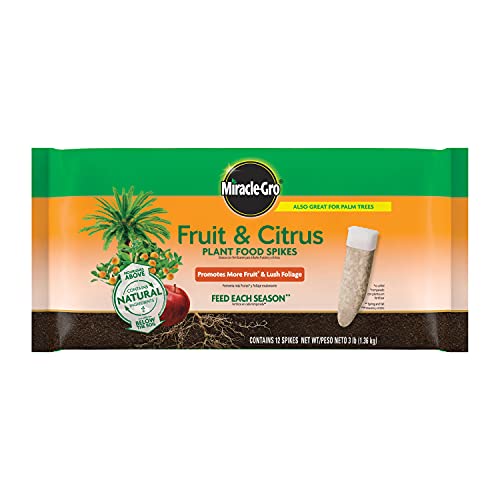
FORMULATED FOR CITRUS AND FRUIT TREES: Use these citrus fertilizer spikes on apple, orange, lemon, lime, and avocado trees; this formula is also great for feeding palm trees
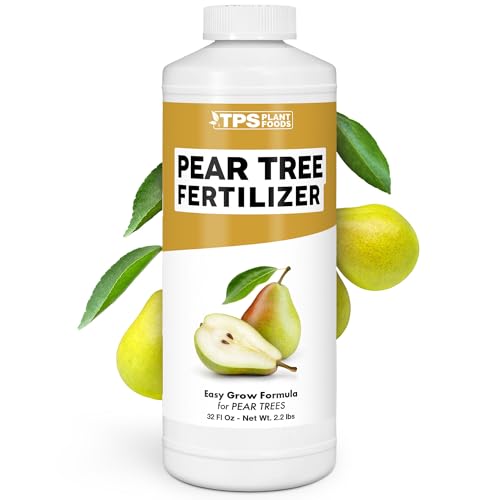
Supports Fruit Production & Growth – Helps promote consistent fruit development, healthy foliage, and overall tree performance.

Down to Earth Fruit Tree is a five pound box of all natural fertilizer with 6-2-4 formula and is listed by the Organic Materials Review Institute (OMRI) for use in organic production
Watering and Fertilization
Water your Asian pear trees regularly, especially during dry spells. Aim for deep watering, ensuring moisture reaches the root zone without causing waterlogged conditions. Check the soil moisture about 2-3 inches deep. If it’s dry, it’s time to water.
Fertilization enhances tree health and fruit quality. Start with a balanced fertilizer in early spring, applying according to package instructions. Choose a fertilizer formulated for fruit trees, rich in nitrogen, phosphorus, and potassium. Additionally, consider organic options like compost or well-rotted manure to enrich the soil. Test your soil annually to adjust nutrient levels as needed.
Pruning Techniques
Pruning Asian pear trees promotes airflow and encourages fruitful growth. Focus on timing your pruning in late winter to early spring when the trees are dormant. Remove any dead, damaged, or crossing branches to improve overall structure and health.
Shape the tree to allow sunlight penetration, aiming for an open center to maximize photosynthesis. Cut back excessive growth by about 25-30% to stimulate new growth and increase fruit production. Always use sharp, clean tools to prevent disease transmission.
Conclusion
Whether you choose to plant one or two Asian pear trees, you can still enjoy their delicious fruit. If you opt for a self-pollinating variety, you might get some pears, but planting a second tree can really boost your harvest. Different varieties can work wonders together, giving you bigger and sweeter pears.
Remember to pick a sunny spot with good air circulation and the right soil conditions. With proper care and attention, you’ll be well on your way to enjoying a bountiful harvest of juicy Asian pears. Happy gardening!
Frequently Asked Questions
Do I need two Asian pear trees to produce fruit?
Yes, while some Asian pear trees are self-pollinating, planting two different varieties is recommended for better fruit quality and quantity. Cross-pollination can enhance the size and sweetness of pears.
Which Asian pear varieties are self-pollinating?
Self-pollinating varieties include “Chojuro” and “Shinko.” These can produce fruit alone, but planting different varieties will likely yield better results.
What should I look for when selecting Asian pear trees?
Choose compatible varieties that bloom at the same time and consider your local hardiness zone. This ensures better pollination and fruitful growth.
How far apart should I plant Asian pear trees?
Plant Asian pear trees at least 15 to 20 feet apart. This spacing promotes healthy air circulation and allows for optimal growth.
What are the soil requirements for Asian pear trees?
Asian pear trees thrive in well-draining soil with a pH between 6.0 and 7.5. Consider testing your soil and amend as needed for best results.
How often should I water my Asian pear trees?
Water regularly, especially during dry periods. The trees prefer moist, well-drained conditions but avoid waterlogging to prevent root diseases.
When is the best time to prune Asian pear trees?
The ideal time to prune is late winter to early spring. Focus on removing dead or crossing branches to improve light penetration and airflow.
What type of fertilizer should I use for Asian pear trees?
A balanced fertilizer is recommended in early spring. Organic options like compost can also help nourish your trees while promoting healthy growth.
