

Ever wondered how much water your grapevines really need to thrive? Picture this: you’re tending to your garden, admiring the lush green leaves of your grapevines, but are unsure if you’re giving them just the right amount of hydration. Understanding the water requirements of grapes is essential for their growth and fruit production.
Key Takeaways
- Water is crucial for grape cultivation, influencing growth, fruit production, and overall plant metabolism.
- Factors like climate conditions, soil type, and vine age affect the water needs of grapes.
- Understanding varietal differences in water consumption and climate impact helps tailor watering practices effectively.
- Efficient irrigation techniques like drip systems and monitoring soil moisture levels are essential for managing grape water needs efficiently.
- Balancing water use with environmental concerns through precision irrigation techniques and innovative conservation practices is vital for sustainable grape production.
The Importance of Water in Grape Cultivation
Water plays a crucial role in the development of grapevines, influencing their growth and fruit production significantly. Understanding the importance of water in grape cultivation is essential for ensuring the optimal health and yield of your grapevines.
Role of Water in Grape Development
Water is vital for various aspects of grape development, including photosynthesis, nutrient uptake, and overall plant metabolism. Adequate hydration supports cell expansion, sugar transport within the plant, and the maintenance of turgor pressure in grape tissues. Insufficient water can lead to stunted growth, reduced fruit set, and poor fruit quality.
Factors Influencing Water Needs
Several factors influence the water requirements of grapes, such as climate conditions, soil type, vine age, rootstock characteristics, and seasonal variations. Hotter climates or periods of drought increase water needs due to higher evapotranspiration rates. Sandy soils drain quickly and may require more frequent irrigation compared to clay soils with higher water retention capacity.
Understanding these factors will help you adjust your watering practices to meet the specific needs of your grapevines throughout their growth cycle. By providing adequate water based on these considerations, you can promote healthy vine development and optimize fruit production in your garden or vineyard.
Assessing the Water Requirements of Grapes
To ensure your grapevines thrive, it’s essential to understand their water needs. Here’s how you can assess and meet the water requirements of your grape plants effectively.
Recommended Products

1/4 INCH IRRIGATION TUBING: Create a feeder line that supplies water to a low-flow, drip-watering device, or use as a main line in a small drip irrigation system; for trees, shrubs, flower beds, groundcover, vegetable gardens, and planters
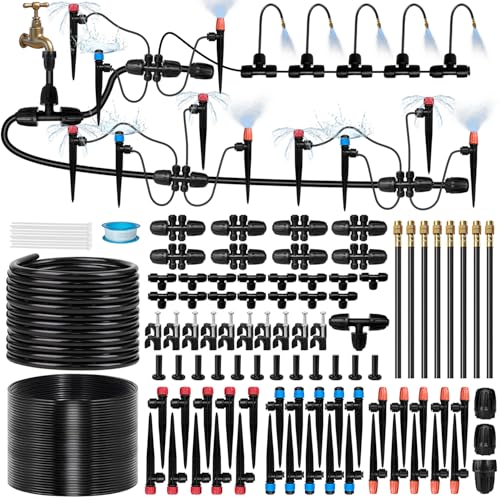
【Upgraded Tube Design & Water Saving】 Our garden watering system is upgraded to 1/2” diameter to support high water pressure. The 1/2” tee connector allows seamless splitting into 2 independent zones for customized watering schedules. By delivering moisture directly to root zones, this drip Irrigation system significantly reduces evaporation and runoff—saving more water compared to conventional sprinklers while eliminating the need for manual watering.

Automatic Drip Irrigation System Kit: The universal connector adapts to different tubing sizes with a secure, leak-free fit; the dual-channel connector splits a single line into two separate watering paths for multi-zone irrigation. The garden bed watering system includes 100FT 1/4" Water Pipe, Cable Ties x 24, Universal Connector x 1, Dual Channel Connector x 1, Quick Tees x 24, Sealing Tape x 1, Fixing Clips x 24, End Plus x 4, and Brass Nozzles x 24. Simply unbox and start building automatic misting system.
Varietal Differences in Water Consumption
Different grape varieties have varying water consumption rates. For instance, Muscat grapes generally require more water compared to Cabernet Sauvignon grapes due to their distinct genetic makeup. It’s crucial to consider the specific needs of the grape variety you are cultivating to provide optimal hydration levels.
Effects of Climate on Water Needs
The climate plays a significant role in determining grape water requirements. In regions with hot and arid climates, such as Mediterranean areas, grapes need more frequent watering to combat dehydration caused by high temperatures. Conversely, in cooler and wetter climates like those found in certain parts of Europe, grapes may require less irrigation as natural rainfall provides sufficient moisture.
By understanding these varietal differences and considering the impact of climate on water needs, you can tailor your watering practices to ensure that your grapevines receive the right amount of hydration for healthy growth and abundant fruit production.
Water Management Practices for Grapes
To ensure optimal growth and fruit production for your grapevines, it’s crucial to implement effective water management practices. Here are some key strategies to help you manage the water needs of your grape plants efficiently:
Recommended Products

Kit converts a pop-up sprinkler spray head into a water-saving Drip emitter system
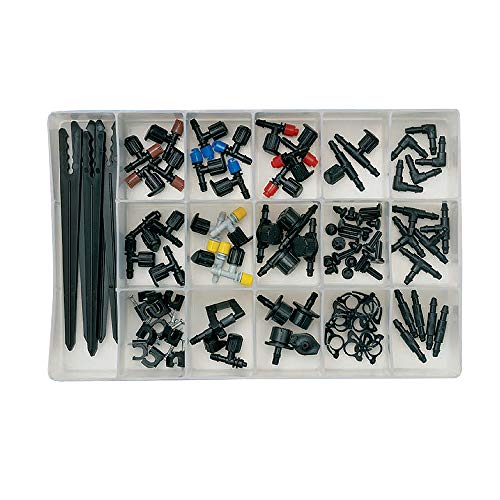
For optimizing plant health by applying water directly at the plant roots

Convenient and portable storage kit contains 102 professional grade universal Drip irrigation parts
Efficient Irrigation Techniques
When it comes to watering your grapevines, employing efficient irrigation techniques is essential. Drip irrigation systems are highly recommended as they deliver water directly to the root zone, minimizing evaporation and ensuring that the vines receive an adequate amount of moisture. By using drip irrigation, you can control the frequency and amount of water applied, leading to more efficient water utilization and healthier vine growth.
Monitoring and Adjusting Water Supply
Regular monitoring of soil moisture levels is vital in determining when and how much water your grapevines require. Utilizing moisture meters or simply observing the soil texture can help you assess whether it’s time to irrigate. Additionally, factors such as weather conditions and vine development stage should be taken into account when adjusting your watering schedule. By staying vigilant and adjusting the water supply based on these variables, you can prevent both overwatering and underwatering, promoting vigorous vine growth and high-quality fruit production.
By implementing these water management practices effectively, you can ensure that your grapevines receive the right amount of water at the right time, leading to healthy plants and a bountiful harvest.
Sustainable Grape Water Use
Water is essential for grape cultivation, but it’s crucial to balance water use with environmental concerns. By implementing innovative water conservation practices, you can ensure sustainable grape production while minimizing the impact on the environment.
Recommended Products

✹✹Capacitive Sensor: Operating voltage: 3.3 ~ 5.5 VDC; Output voltage: 0 ~ 3.0 VDC; Interface: PH2.54-3P; Pin: Analog signal output, GND, VCC
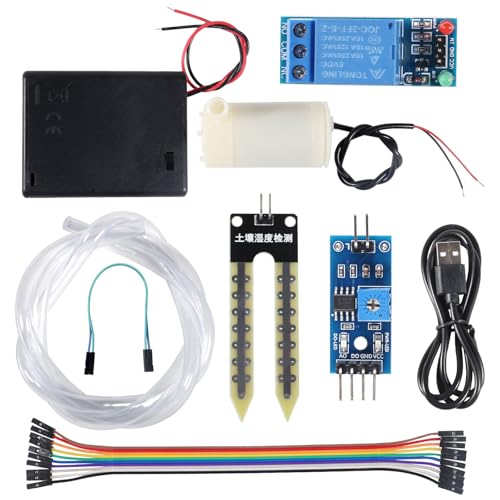
Automatic Irrigation DIY Kit: LM393 Soil Moisture Detect Sensor,Mini Water Pump, Tubing, Battery Case,One Channel 5V Relay Module and Jumper Wires in One Plant Watering System, It Can Water Plants and Flowers Automatically ,According to Monitor the Soil Moisture

【Solar-Powered Smart Watering】This RainPoint WiFi watering system supports solar charging to help reduce frequent manual charging and plug-in dependence, making long-term plant care easier with less daily attention.
Balancing Water Use with Environmental Concerns
When considering grape water requirements, it’s vital to balance agricultural needs with environmental sustainability. Over-irrigation can lead to water wastage and potential leaching of nutrients into the soil, affecting both plant health and surrounding ecosystems. On the other hand, under-irrigation may result in stress on the vines, impacting fruit quality and yield.
To address these challenges, vineyard managers are increasingly adopting precision irrigation techniques that optimize water use efficiency. Drip irrigation systems deliver water directly to the root zone of grapevines, reducing evaporation losses and ensuring targeted hydration. By monitoring soil moisture levels regularly and utilizing weather data for irrigation scheduling, growers can fine-tune their watering practices to match the specific needs of the vines at different growth stages.
Innovations in Water Conservation for Vineyards
Innovations in water conservation technologies offer promising solutions for sustainable grape production. Smart irrigation systems equipped with sensors can provide real-time data on soil moisture levels, enabling growers to make informed decisions about when and how much to irrigate. These advanced systems not only conserve water by preventing overwatering but also contribute to improved crop health and resource efficiency.
Additionally, cover cropping and mulching techniques help retain soil moisture, reduce evaporation rates, and suppress weed growth in vineyards. Cover crops act as natural sponges that absorb excess rainfall and prevent runoff, promoting groundwater recharge while enhancing soil structure and fertility.
By incorporating these innovations into vineyard management practices, you can minimize water usage without compromising grape quality or yield. Sustainable water use not only benefits your vineyard’s productivity but also supports long-term environmental stewardship in agriculture.
Conclusion
You’ve now explored the crucial role of water in grape cultivation, understanding how it impacts growth and fruit development. Factors like climate and soil type play a significant role in determining grape water needs. It’s essential to adapt watering practices accordingly. Moving forward, embracing sustainable water use practices is key. Precision irrigation methods, such as drip systems, offer efficient ways to hydrate grapevines effectively. By integrating innovative technologies like smart irrigation systems and cover cropping, the future of grape production looks promising with a focus on resource efficiency and environmental responsibility.
Frequently Asked Questions
Why is water important in grape cultivation?
Water plays a crucial role in grape cultivation by influencing vine growth, fruit production, and key developmental processes.
What factors affect grape water requirements?
Climate and soil type are significant factors that impact grape water requirements, necessitating adjustments in watering practices.
How can sustainable water use be achieved in grape cultivation?
Sustainable water use in grape cultivation can be achieved by implementing precision irrigation techniques like drip systems to optimize efficiency.
What innovations help conserve water in grape production?
Innovations such as smart irrigation systems and cover cropping offer promising solutions for conserving water in sustainable grape production.
