

Have you ever wondered when your fig tree will finally reward you with its sweet, luscious fruit? If you’ve planted one or are thinking about it, you’re not alone. Many gardeners eagerly anticipate that first harvest. Fig trees can be a bit tricky, but understanding their fruiting cycle can make all the difference.
Key Takeaways
- Fig Variety Selection: Different fig tree varieties like Black Mission, Brown Turkey, Kadota, and Adriatic thrive in various climates and offer unique flavors, so choose based on your location and taste preferences.
- Optimal Growth Conditions: Fig trees require full sunlight (6-8 hours a day), well-draining soil, regular watering, and a temperature range of 60°F to 100°F for healthy growth and increased fruit production.
- Fruiting Timing: Fig trees typically start bearing fruit one to three years after planting, with most production occurring during warm spring and summer months due to seasonal factors.
- Signs of Fruiting: Look for small buds in spring that signify potential fruit development, which will grow, change color, and soften before being ready for harvest.
- Care and Maintenance Techniques: Regular watering, sparing fertilization, strategic pruning, mulching, and providing structural support can enhance fruit production and tree health.
- Pest and Disease Management: Monitor for pests and diseases, use natural remedies, encourage beneficial insects, and practice crop rotation to ensure a healthy fig tree and fruitful harvest.
Understanding Fig Trees
Fig trees are fascinating plants that reward gardeners with sweet fruit. Knowing their needs helps ensure a bountiful harvest.
Recommended Products

Kindly NOTE: This soil tester can not be applied to test pH value of any other liquid. If the soil is too dry the indicator will not move, and water it before testing.

OPTIMIZE FIDDLE LEAF FIG CARE. Harness the power of the Houseplant Resource Center's soil moisture meter for plants. Get precise readings for your fiddle leaf fig, ensuring it gets the right nutrition and attention, optimizing growth and health.

【4 in 1 function】This is a 4-in-1 multifunctional soil tester.Our soil tester fastly to measure soil moisture, pH, temperature and sunlight to help you take better care of flowers and plants.You can know when you need to water your soil by measuring moisture and pH & Temperature value of the soil and sunlight level of plants with it.
Overview of Fig Tree Varieties
Many fig tree varieties exist, each with unique characteristics. Some popular ones include:
- Black Mission: Dark purple skin and strawberry-colored flesh; produces two crops per year.
- Brown Turkey: Brownish-purple skin; known for rich flavor and hardiness.
- Kadota: Green-yellow skin; sweet and often used for dried figs.
- Adriatic: Greenish skin; sweet, juicy fruit valued for fresh eating.
Choosing the right variety depends on your climate and desired fruit characteristics.
Growth Conditions for Fig Trees
Fig trees thrive in specific conditions. Here are essential factors to consider:
- Sunlight: Full sun for at least 6-8 hours daily is crucial.
- Soil: Well-draining soil enriched with organic matter supports healthy growth. Aim for a pH between 6.0 and 6.8.
- Watering: Regular watering during dry spells is necessary, especially during the fruit development stage.
- Temperature: Fig trees do best in warm climates. They tolerate temperatures between 60°F and 100°F but can suffer in frost.
Understanding these growth conditions enables you to create the perfect environment for your fig trees, leading to fruitful rewards.
Timing of Fruit Bearing
Understanding when fig trees bear fruit is essential for a successful harvest. Fruit production relies on numerous factors, including seasonal conditions and the age of the tree.
Recommended Products

The Large plant cover is perfect for Plant size 55''-70"high and 84''-94" round, Heavy-weight FRCs (1.77oz./sq. yard): usually used to extend the growing season in spring and fall, allow 40%-60% light transmittance, and recommend 3°-8°F of freeze protection
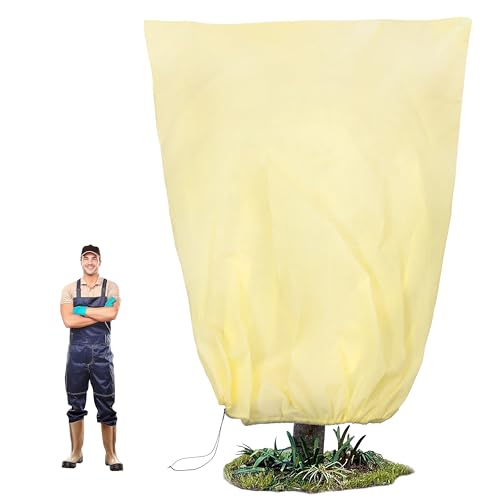
【Super Large Size】Our winter plant covers are designed with a super large size, measuring 120 inches in height and 100 inches in width. This generous size tree cover ensures easy coverage and protection for various types of shrubs and small trees. You can even gather multiple potted plants together and use one large plant cover, eliminating the hassle of multiple small covers.

The small plant cover is perfect for Plant size 16''-23"high and 36''-46" round, Heavy-weight FRCs (1.77oz./sq. yard): usually used to extend the growing season in spring and fall, allow 40%-60% light transmittance, and recommend 3°-8°F of freeze protection
Seasonal Factors Influencing Fig Production
Seasonal changes significantly affect fig production. Fig trees typically produce fruit in warm temperatures during late spring and summer.
- Temperature: Warm weather, ideally between 70°F and 100°F, encourages growth and fruit set.
- Rainfall: Adequate moisture in early spring promotes healthy growth. However, excessive rain during the ripening period can lead to fruit splitting.
- Frost: Late frosts can damage new leaves and figs, delaying or even preventing fruiting. Protecting young trees with covers or cloth can mitigate this risk.
Understanding these seasonal factors helps you plan for optimal fruit bearing. Keeping track of local weather patterns can guide your care strategies, ensuring your fig tree thrives.
Age of Fig Trees at First Fruiting
The age of your fig tree directly impacts its fruiting schedule. Most varieties begin to bear fruit between one to three years after planting.
- Young Trees: Expect minimal production in the first year. Trees focus energy on establishing roots and foliage.
- Mature Trees: Once a tree reaches three years, it’s more likely to produce bountiful fruit. Varieties like Brown Turkey and Black Mission can produce 10 to 50 figs per tree annually during their peak years.
- Old Trees: Trees older than ten years may produce fewer fruits, but often yield larger figs. Pruning and proper care can enhance fruiting in older trees.
Knowing the age of your tree helps you set realistic expectations for fruit production and informs your care techniques.
Signs of Fig Trees Bearing Fruit
Recognizing the signs that indicate your fig trees are bearing fruit is essential for a successful harvest. These indicators vary throughout the blooming and development stages.
Blooming Stages
Fig trees exhibit unique blooming stages before fruit appears. Initially, small buds form on the branches, often referred to as “fig flowers.” These appear in spring and remain inconspicuous. As the season progresses, you’ll notice these buds swelling and starting to elongate. Healthy trees may show multiple buds for each potential fruit. Ensure your figs receive adequate sunlight during this stage, as it significantly influences bud development.
Development Stages of Figs
Figs progress through distinct development stages post-blooming. After pollination, the fruit begins to grow, first appearing as tiny green or purple formations. Over several weeks, these formations swell and change in color, typically indicating they are nearing ripeness.
You can anticipate the following stages:
- Fruit Set: Small, immature figs form, existing alongside the leaves.
- Growth Phase: Figs expand in size, becoming more prominent, usually between two to six weeks after initial bloom.
- Ripening: Figs color deepens and softens, indicating readiness for harvest. Check for slight yield when gently squeezed.
Monitoring these stages helps you determine when to pick your figs for peak flavor.
Tips for Encouraging Fruit Production
To boost your fig tree’s fruit production, implement a few key techniques and practices. Focusing on proper care and pest management ensures healthier trees and abundant harvests.
Recommended Products

Gentle Plant Wash Made with Neem Oil & Peppermint Oil

Made for Fiddle Leaf Fig Plants – Specially formulated fiddle leaf fig fertilizer designed for ficus trees and indoor plant care.
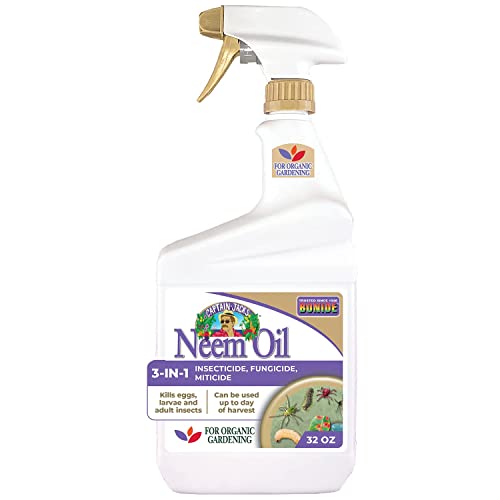
Protect your oasis with 3 garden products in 1 from Captain Jack’s; Bonide Captain Jack’s Ready-to-Use Neem Oil spray for plants is a multi-purpose fungicide, insecticide and miticide for your lawn & garden
Proper Tree Care and Maintenance
Maintaining your fig tree is crucial for optimal fruiting.
- Water Regularly: Water deeply once a week during dry spells. Fig trees prefer consistent moisture without waterlogging.
- Fertilize Sparingly: Use a balanced fertilizer in early spring. Excess nutrients can hinder fruit development, so choose organic options to promote healthy growth.
- Prune Wisely: Prune your fig tree in late winter. Remove any dead or overcrowded branches to improve air circulation and light penetration. This encourages better fruit production.
- Apply Mulch: Apply a layer of organic mulch around the base. Mulch retains moisture and suppresses weeds. Aim for a 2 to 4-inch layer to benefit your tree.
- Provide Support: Use stakes or trellises if your fig tree is young or growing tall. This helps prevent breakage and allows for even sunlight exposure.
Pest and Disease Management
Pest and disease control plays a vital role in supporting your fig tree’s health and fruit yield.
- Monitor Regularly: Check for pests like aphids, spider mites, and fruit flies. Catching infestations early ensures more effective treatment.
- Use Natural Remedies: Implement natural pest control methods. Neem oil and insecticidal soap work well against common pests without harming beneficial insects.
- Inspect for Diseases: Look for signs of fungal infections like leaf spot or root rot. Remove affected leaves immediately and ensure proper drainage to prevent disease spread.
- Encourage Beneficial Insects: Ladybugs and lacewing larvae keep the pest population in check. Plant flowers nearby to attract these helpful insects.
- Practice Crop Rotation: Avoid planting figs in the same area every few years. Rotating crops minimizes disease transmission and maintains soil health.
By implementing these tips, you enhance your fig tree’s chances of producing abundant, flavorful fruit.
Conclusion
Growing fig trees can be a rewarding experience filled with anticipation. By understanding their unique fruiting cycles and the specific needs of different varieties you can set yourself up for a fruitful harvest. Remember to provide the right conditions and care for your trees to maximize their potential.
With patience and attention you’ll soon see those beautiful figs develop and ripen. So keep an eye on those buds and enjoy the journey of nurturing your fig tree. Before you know it you’ll be savoring the delicious fruits of your labor. Happy gardening!
Frequently Asked Questions
When do fig trees typically bear fruit?
Fig trees usually start to bear fruit between one to three years after planting. Young trees primarily focus on establishing their roots, while mature trees can yield a significant harvest.
What are the essential growth conditions for fig trees?
Fig trees require full sunlight, well-draining soil, regular watering, and warm temperatures. These conditions help create an ideal environment for a successful harvest.
How can I encourage my fig tree to produce more fruit?
To encourage fruit production, ensure regular watering, avoid over-fertilizing, prune wisely, and apply mulch to retain soil moisture. Monitor for pests and apply natural remedies to maintain tree health.
What are some common fig tree varieties?
Common fig tree varieties include Black Mission, Brown Turkey, Kadota, and Adriatic. Each variety has its unique flavor, growth requirements, and fruiting cycle.
How can I tell if my fig tree is bearing fruit?
Signs of fig trees bearing fruit include the formation of small buds or “fig flowers” in spring, which swell as the season progresses. Monitoring these stages helps determine the best time to harvest for peak flavor.
Do older fig trees produce fewer fruits?
Yes, older fig trees may yield fewer fruits, but those they produce are often larger. Proper care can enhance the fruiting potential of older trees, helping them remain productive over time.
