

Have you ever wondered how to properly prune your kiwi vines for a bountiful harvest? Picture this: you’re standing in your garden, surrounded by lush greenery, but your kiwi vines seem tangled and overgrown. You’re not sure where to start or how to ensure your vines thrive.
In this article, you’ll discover simple and effective techniques to prune your kiwi vines like a pro. By learning the art of pruning, you’ll promote healthier growth, increase fruit production, and create a visually appealing garden. Get ready to elevate your gardening skills and enjoy the fruits of your labor by mastering the art of pruning kiwi vines.
Key Takeaways
- Pruning kiwi vines promotes healthier plants by removing dead or diseased branches and allows the plant to focus on producing new, healthy growth.
- Proper pruning leads to increased fruit production as the plant channels nutrients into fruit rather than excessive foliage growth.
- Well-maintained kiwi vines produce fruits of superior quality by ensuring each fruit receives adequate sunlight and nutrients.
- Pruning maintains the structure and appearance of kiwi vines, making them visually appealing and easier to manage.
- Regular pruning simplifies maintenance, prevents overcrowding, and improves air circulation, ultimately extending the lifespan of kiwi plants.
- Timing is crucial when pruning kiwi vines, with ideal times during the dormant season and before bud break, while avoiding active growth periods to ensure plant health and productivity.
Benefits of Pruning Kiwi Vines
Pruning your kiwi vines offers a range of benefits that can enhance your gardening experience and yield better results. Here are some advantages of incorporating pruning into your routine:
- Healthier Plants:
Pruning helps to maintain the health of your kiwi vines by removing dead or diseased branches. This process allows the plant to focus its energy on producing new, healthy growth. - Increased Fruit Production:
By pruning your kiwi vines correctly, you encourage the plant to channel nutrients into fruit production rather than excessive foliage growth. This can lead to a higher yield of delicious kiwis. - Improved Fruit Quality:
Well-maintained and pruned kiwi vines tend to produce fruits of superior quality. Trimming the vines ensures that each fruit receives an adequate amount of sunlight and nutrients, resulting in better flavor and texture. - Structure and Appearance:
Pruning helps maintain the shape and structure of your kiwi vines, making them more visually appealing in your garden or orchard. Well-pruned vines can also enhance the overall aesthetic of your outdoor space. - Easy Maintenance:
Regular pruning simplifies the maintenance of your kiwi vines. It prevents overcrowding, improves air circulation, and makes harvesting easier. Properly pruned vines are more manageable and require less effort to care for. - Longevity and Renewal:
Pruning promotes longevity in kiwi vines by removing old or weak growth and stimulating new growth. This rejuvenation process can extend the lifespan of your plants and keep them productive for years to come.
Incorporating pruning into your kiwi vine care routine can bring about these benefits, ultimately leading to healthier plants, increased fruit production, and a more beautiful garden. Mastering the art of pruning is a valuable skill that can enhance your gardening endeavors and maximize the potential of your kiwi plants.
Recommended Products

✂Multifunctional -2 in 1 Garden Grafting Tools-Professional grafting set allows you to pruning and grafting at the same time, saving more time and effort than traditional grafting methods, easy to use and more efficient. It allows you to trim away excess leaves and twigs and prepare the plants to be grafted. At the same time, you can make a precise cut into the grafting stock with the special grafting blade.
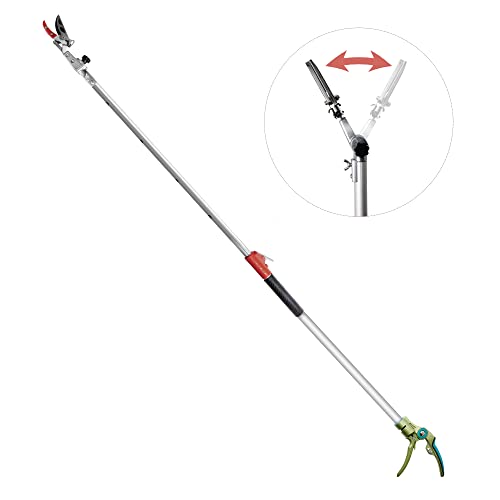
[Helpful Garden Tool] GARTOL brings to you a lightweight and extendable pruning tool to reach out to the least approachable arenas of your garden. You can conveniently get across other plants to remove the fastgrowing brambles and sting nettles without getting scratched or hurt. For gardening lovers, the telescopic pruner cutter head can can be rotated which resolves mobility issues and gives you the pleasure of trimming your garden without bending down or using a ladder to climb and cut them.

[Cut & Hold Pole Pruner for Tree Trimming] This long reach cut and hold pruner makes it easy to grip and remove branches, flowers, or fruit without dropping them. Perfect as a pole fruit picker for harvesting lemons, oranges, apples, or persimmons, and for trimming shrubs and bushes without climbing a ladder.
When to Prune Kiwi Vines
When it comes to pruning your kiwi vines, timing is essential. Properly timing your pruning activities can significantly impact the health and productivity of your kiwi plants. Here’s a simple guide to help you know when it’s the best time to prune your kiwi vines:
Dormant Season
During the dormant season, typically in late winter to early spring, when your kiwi vines are not actively growing, is the ideal time for pruning. This period allows you to have a clear view of the plant’s structure and make necessary adjustments without causing harm while the plant is less susceptible to stress.
Before Bud Break
Pruning just before bud break, when the buds are swelling but have not yet opened, is optimal. This timing ensures that the plant is about to start its growth phase, allowing it to heal quickly from pruning cuts and directing its energy towards new growth and fruit production.
Avoid Pruning During Active Growth
It’s crucial to avoid pruning your kiwi vines during the active growing season, especially when the plant is producing new leaves and setting fruit. Pruning during this time can shock the plant, reduce fruit yield, and hinder its overall health and vigor.
Summer Pruning
While major pruning should be done during the dormant season, light summer pruning can also be beneficial. Summer pruning involves removing excessive growth, damaged branches, or tangled vines to maintain the plant’s shape and allow better air circulation and sunlight penetration to the inner canopy.
Continuous Maintenance
Regularly inspect your kiwi vines throughout the growing season for any dead, diseased, or crossing branches that need removal. Promptly address these issues to prevent the spread of diseases and maintain the plant’s vitality.
By following these guidelines on when to prune your kiwi vines, you can ensure that your plants remain healthy, productive, and visually appealing. Proper timing of pruning activities is key to maximizing the benefits of pruning and promoting the overall well-being of your kiwi plants.
Tools Required for Pruning
To effectively prune your kiwi vines, you’ll need a few essential tools. Having the right equipment on hand will make the pruning process smoother and help maintain the health and productivity of your plants. Here are the tools you’ll need:
- Pruning Shears: These are a must-have for kiwi vine pruning. Opt for sharp, high-quality pruning shears as they make clean cuts, promoting faster healing and reducing the risk of damaging the vines.
- Loppers: For thicker branches that pruning shears can’t handle, loppers come in handy. Choose loppers with sharp blades and long handles for increased reach and cutting power.
- Hand Saw: A hand saw is essential for cutting through larger kiwi vine branches. Look for a pruning saw with razor-sharp teeth and a comfortable grip for efficient cutting.
- Pruning Saw: Similar to a hand saw but designed specifically for pruning tasks, a pruning saw is ideal for cutting thicker branches with precision and ease.
- Protective Gear: Don’t forget to protect yourself while pruning. Wear gloves to shield your hands, safety glasses to protect your eyes from debris, and, if working on larger vines, consider wearing long sleeves and pants for added protection.
- Disinfectant: To prevent the spread of diseases between plants, keep a bottle of disinfectant spray or wipes on hand. Clean your tools between cuts, especially if you encounter any diseased branches.
Recommended Products

Fast-Cutting RazorTOOTH Blade – Aggressive 7-inch RazorTOOTH blade cuts quickly through green wood and branches, delivering efficient pruning with less effort.
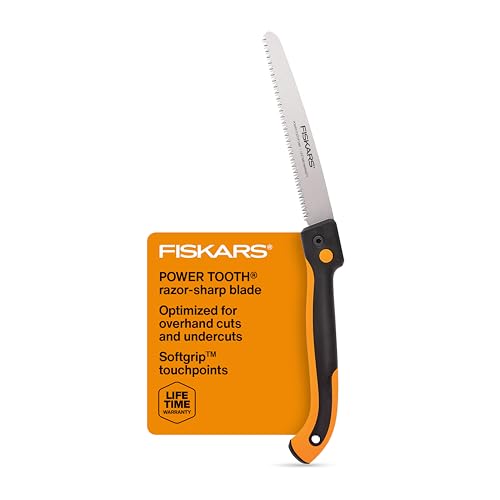
IDEAL FOLDING SAW: Fiskars small hand saw for wood cutting with a triple-ground, power tooth blade for faster, more powerful cuts; Ideal for cutting thicker branches and bushcraft

Razortooth saw technology removes more material in each pass
Step-by-Step Guide to Pruning Kiwi Vines
Follow these steps to effectively prune your kiwi vines and ensure a bountiful harvest:
1. Start by Inspecting the Vine
Begin by closely examining the kiwi vine. Look for dead, damaged, or diseased branches that need to be removed. Inspect the overall health of the plant and identify areas that require pruning for improved growth.
2. Choose the Right Tools
Select appropriate pruning tools such as sharp pruning shears, loppers for thicker branches, and a hand saw for larger cuts. Ensure your tools are clean and sharp to make precise cuts without causing damage to the plant.
3. Prune During Dormant Season
Prune your kiwi vines during the dormant season when the plant is not actively growing. This period usually falls in late winter or early spring before new growth begins. Avoid pruning during frosty conditions to prevent damage to the plant.
4. Remove Dead or Unhealthy Branches
Start by cutting out any dead, diseased, or weak branches to improve airflow and encourage healthy growth. Cut these branches back to the main trunk or a healthy lateral shoot.
5. Trim Excessive Growth
Trim back any excessive growth that can hinder sunlight penetration and air circulation within the plant. Focus on maintaining an open canopy to promote fruit development and reduce the risk of diseases.
6. Shape the Vine
Prune the kiwi vines to achieve a balanced shape that allows even distribution of fruit-bearing wood. Aim to create a sturdy framework that can support the weight of fruit during the growing season.
7. Secure Vines for Support
Tie the main vines to a trellis or support structure to encourage upward growth and ease of maintenance. Use soft ties to prevent damage to the vines and ensure they have the necessary support for fruit production.
8. Monitor and Maintain
Regularly monitor your kiwi vines throughout the growing season. Conduct light pruning as needed to remove any additional weak or overcrowded growth. Stay proactive in maintaining plant health and structure.
Conclusion
Pruning your kiwi vines correctly is key to a bountiful harvest. By following the recommended timing and techniques, you can ensure healthier plants, increased fruit yield, and better-quality produce. Remember to use the right tools and approach each step with care. Regular monitoring and maintenance throughout the growing season will help your kiwi vines thrive. Enjoy the process of shaping and supporting your vines, and soon you’ll be rewarded with a flourishing and visually pleasing kiwi plant in your garden. Happy pruning!
Frequently Asked Questions
Why is pruning important for kiwi vines?
Pruning is crucial for kiwi vines to enhance plant health, increase fruit production, and improve fruit quality. It helps remove diseased or damaged branches, promotes new growth, and maintains the overall plant structure.
When is the best time to prune kiwi vines?
The best time to prune kiwi vines is during the dormant season in late winter or early spring before bud break. Pruning during this time promotes vigorous growth in the upcoming growing season.
What tools are needed for pruning kiwi vines?
Tools needed for pruning kiwi vines include pruning shears, loppers, pruning saws, and protective gear such as gloves and safety goggles. Having the right tools ensures efficient and precise pruning.
Can you provide a step-by-step guide for pruning kiwi vines?
- Inspect the vine for damaged or diseased branches.
- Choose the appropriate pruning tools for the job.
- Prune during the dormant season for optimal results.
- Remove dead or weak branches to encourage new growth.
- Trim excessive growth to balance the vine’s structure.
- Shape the vine to promote fruit production and airflow.
- Secure vines for support using trellises or fences.
- Monitor and maintain the vines throughout the growing season for continued health and productivity.
