

Ever wondered how long fruit trees actually produce? If you’ve planted a tree hoping for a bountiful harvest, you’re not alone. Many gardeners dream of enjoying fresh fruit from their own backyard, but the timeline can be a bit tricky to navigate.
Understanding the lifespan of fruit trees and their productive years can help you make informed choices about what to plant and when to expect a yield. This article will break down the factors that influence fruit production, giving you insights to maximize your garden’s potential. Whether you’re a seasoned gardener or just starting out, knowing what to expect can make all the difference in your fruit-growing journey.
Key Takeaways
- Tree Variety Matters: Different fruit tree varieties have unique production timelines and lifespans; for example, apple trees can produce for 30 to 50 years, while peach trees typically yield for 15 to 25 years.
- Growing Conditions Impact Yield: Soil quality, water availability, and sunlight exposure significantly affect fruit production duration. Healthy conditions can extend the productive years of fruit trees.
- Regular Maintenance is Key: Consistent care, including regular pruning and proper watering, enhances tree health and can prolong the productive lifespan of fruit trees.
- First Harvest Timing: Most fruit trees start producing fruit within 3 to 6 years after planting, with peak production occurring between 5 to 10 years.
- Nutrient Management is Essential: Understanding and providing the right balance of nutrients (nitrogen, phosphorus, potassium) is crucial for healthy growth and fruiting.
- Varied Lifespan by Type: Deciduous trees generally have shorter productive lifespans compared to evergreens, and tropical fruit trees can produce for 50 years or more under optimal conditions.
Understanding Fruit Tree Production
Understanding how long fruit trees produce is crucial for effective gardening. Various factors influence their production duration, from tree variety to environmental conditions. Knowing these elements helps you optimize your garden’s yield.
Recommended Products

★ 1. What you get: Professional convenient grafting tool set including a dual-use grafting pruner tool contain 2 extra replaceable blades, a wrench and a screwdriver, along with 36pcs wide rubber bands, 150 thick rubber bands and 1 grafting tape, packed in a black wallet to meet all your needs


[Cut & Hold Pole Pruner for Tree Trimming] This long reach cut and hold pruner makes it easy to grip and remove branches, flowers, or fruit without dropping them. Perfect as a pole fruit picker for harvesting lemons, oranges, apples, or persimmons, and for trimming shrubs and bushes without climbing a ladder.
Factors Affecting Production Duration
- Tree Variety: Different types of fruit trees have unique life spans and production timelines. For instance, apple trees often produce fruit for 30 to 50 years, while peach trees may only yield for around 15 to 25 years.
- Growing Conditions: Soil quality, water availability, and sunlight exposure play significant roles. Healthy soil with good drainage can extend a tree’s productive years. Ensure your trees get adequate sunlight and moisture for optimal growth.
- Pruning and Care: Regular pruning promotes better fruit production. Removing dead or diseased branches allows trees to focus energy on living branches. Proper care helps maintain a tree’s health, enhancing productivity.
- Age of the Tree: Younger trees typically take a few years to begin bearing fruit. Most fruit trees start producing within 3 to 6 years. As trees mature, their yield may increase until they reach their peak production years.
- Deciduous Trees: These trees lose their leaves yearly and often have a shorter productive lifespan. Cherry and plum trees are examples, typically producing fruit for 20 to 30 years.
- Evergreen Trees: Evergreen fruit trees retain leaves year-round. Citrus trees, such as lemons and oranges, can provide fruit for several decades, often between 25 to 50 years.
- Dwarf Varieties: Dwarf fruit trees are smaller and often have a shorter production lifespan compared to their full-sized counterparts. They usually produce fruit earlier, around 2 to 4 years, but may yield for only 10 to 20 years.
- Tropical Trees: Many tropical fruit trees, like mango and avocado, can produce fruit for 50 years or more under optimal conditions. These trees thrive in warm climates, making them ideal for certain regions.
By understanding these factors and tree types, you can make informed decisions about which fruit trees to plant and how to care for them, maximizing your garden’s fruit production potential.
Lifecycle of Fruit Trees
Fruit trees undergo several stages from germination to maturity. Understanding these stages helps you plan for future harvests effectively.
Germination to Maturity
Germination starts when you plant seeds, usually in spring. Seeds need warmth, moisture, and light to sprout. After germination, seedlings emerge and grow into young trees, typically within 1 to 3 years. During this stage, focus on providing adequate water and nutrients. After about 3 to 5 years, trees reach maturity and begin to establish fruiting patterns.
Timeframe of Fruit Production
The timeframe for fruit production varies by species. Generally, most fruit trees start producing within 3 to 6 years after planting. Here’s a quick reference:
| Fruit Tree Type | Years to First Harvest | Productive Lifespan |
|---|---|---|
| Apple | 3 to 6 | 30 to 50 years |
| Peach | 3 to 5 | 15 to 25 years |
| Cherry | 4 to 7 | 20 to 30 years |
| Citrus (e.g., Orange) | 3 to 5 | 20 to 50 years |
| Fig | 2 to 3 | 15 to 25 years |
Fruiting typically peaks between 5 to 10 years, depending on the type and care given. Proper nourishment and pruning extend productive years, while neglect can shorten them. Regular tree care ensures you enjoy bountiful yields throughout their lifespan.
Peak Production Years
Understanding the peak production years of fruit trees helps you plan your garden effectively. Most fruit trees reach their highest yield between years 5 and 10 after planting, although this can vary based on the species and care.
Recommended Products

Let our professionally formulated plant food help your fruit tree grow healthy, strong AND abundantly producing
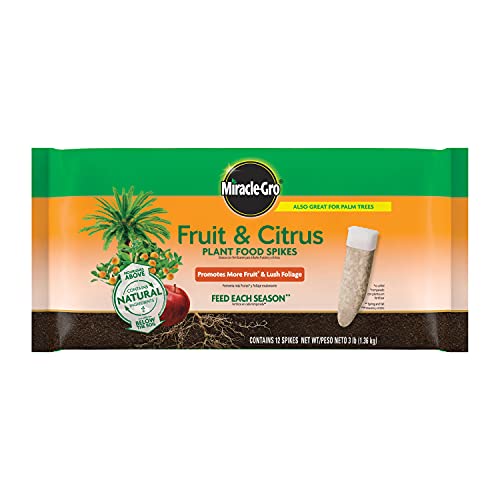
FORMULATED FOR CITRUS AND FRUIT TREES: Use these citrus fertilizer spikes on apple, orange, lemon, lime, and avocado trees; this formula is also great for feeding palm trees

Age of Optimal Yield
Optimal yield varies with the age of the tree. Young trees produce smaller quantities but can begin yielding quickly. For instance, apple trees typically start fruiting at age 3 to 6, while cherry trees may take 4 to 7 years. Once trees mature, they produce more fruit. After about five years, many trees hit their stride, delivering maximum harvest for several years. During this stage, consistent care can maintain high productivity for a longer period.
Variations Among Fruit Trees
Different fruit trees exhibit unique peak production years. Below are examples showcasing these variations:
| Fruit Tree | Age for First Harvest | Peak Production Years | Average Lifespan |
|---|---|---|---|
| Apple | 3 to 6 years | 5 to 10 years | 30 to 50 years |
| Peach | 3 to 5 years | 4 to 8 years | 15 to 25 years |
| Lemon | 3 to 5 years | 5 to 15 years | 30 to 50 years |
| Fig | 2 to 3 years | 5 to 10 years | 25 to 30 years |
| Cherry | 4 to 7 years | 5 to 15 years | 20 to 25 years |
These examples illustrate the diversity in production timelines. This variance influences what trees you might choose based on your available space, climate, and desired harvest. Selecting trees with overlapping peak production years can provide a continuous supply of fruit throughout the season.
Maintenance and Its Impact
Maintaining fruit trees properly significantly impacts their productivity and longevity. Regular care routines improve fruit quality, increase yield, and extend the productive years of your trees.
Recommended Products
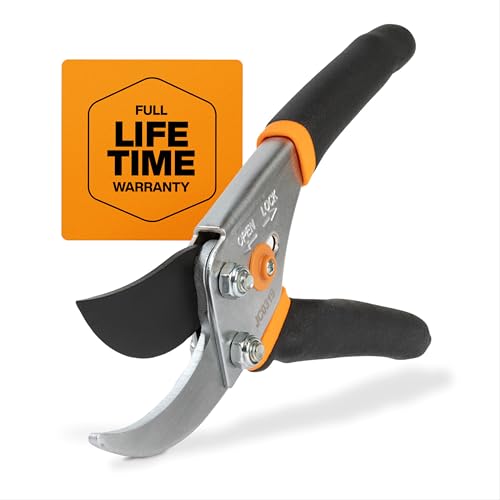
CLEAN CUTS FOR LIVE GROWTH: Bypass blade design is ideal for pruning delicate flower stems and green growth, helping reduce crushing and plant damage while cutting stems and small branches up to 5/8” in diameter

· ULTRA-SHARP SK5 STAINLESS STEEL - Engineered with premium SK5 stainless steel, these heavy duty pruning shears deliver razor-sharp precision and maximum hardness. The rust-resistant blades are designed to stay sharp longer, effortlessly resisting corrosion and sap buildup for smooth, friction-free garden shears performance year after year.

LONG-LASTING SHARPNESS: Japanese SK5 bypass blade with titanium coating is tested through 5,000 cuts to maintain a sharp edge and deliver clean, consistent cuts on live stems and branches
Pruning and Care
Pruning your fruit trees enhances air circulation, sunlight exposure, and overall tree health. Trim dead or diseased branches each year to prevent the spread of pests and diseases. Use sharp pruning shears to make clean cuts, promoting faster healing. Aim to prune during late winter or early spring before new growth begins. For example, apple trees benefit from annual pruning, resulting in larger, higher-quality fruit.
Care also includes watering techniques. Water deeply, allowing moisture to reach the roots, especially during dry spells. Mulching around the base helps retain moisture and suppress weeds. Fertilizing at the right times boosts growth and fruit production; apply a balanced fertilizer in early spring according to the type of tree and soil conditions.
Nutrient Requirements
Understanding nutrient requirements ensures your fruit trees thrive. Nutrients like nitrogen, phosphorus, and potassium are essential for healthy growth and fruiting. Nitrogen supports leafy growth, phosphorus encourages root development, and potassium enhances fruit size and flavor.
Soil testing evaluates the nutrient levels in your soil, guiding fertilization decisions. For most fruit trees, applying 10-10-10 (N-P-K) fertilizer in early spring provides a balanced approach. Organic compost can also enrich the soil gradually.
Remember, too much fertilizer can harm your trees. Follow the recommended rates and adjust based on your soil’s specific needs. Regular feeding during the growing season supports an abundant harvest and healthy tree lifecycle.
Conclusion
Growing fruit trees can be a rewarding experience that brings joy and delicious harvests to your garden. By understanding the timelines for production and the factors that influence them you can make the most of your efforts.
Whether you’re planting apple or peach trees knowing their unique needs and care routines can help extend their productive years. Remember that with a little patience and proper maintenance your trees can thrive for many years to come. Enjoy the process and happy gardening!
Frequently Asked Questions
When do fruit trees start producing fruit?
Most fruit trees begin to produce within 3 to 6 years after planting, depending on the species. For example, apple trees typically yield their first harvest in 3 to 6 years, while fig trees may produce in just 2 to 3 years.
How long do fruit trees live?
The lifespan of fruit trees varies by species. For example, apple trees can live and produce fruit for 30 to 50 years, while peach trees usually yield for 15 to 25 years. Understanding the lifespan of the variety you choose is essential.
What factors affect fruit production in trees?
Several factors influence fruit production, including tree variety, age, growing conditions (soil quality, water, sunlight), and maintenance practices like pruning. These elements play a significant role in determining how productive a fruit tree will be.
How can I extend the productive years of my fruit trees?
Regular maintenance, including proper watering, fertilization, and pruning, can help extend the productive years of fruit trees. Providing essential nutrients and ensuring good air circulation are crucial for tree health and longevity.
What are peak production years for fruit trees?
Peak production years typically occur between 5 and 10 years after planting. During this time, fruit trees yield larger quantities, which can diminish or stabilize as they age. Specific timelines can vary based on tree type and care practices.
How does soil quality impact fruit tree productivity?
Soil quality significantly affects fruit tree productivity. Nutrient-rich, well-drained soil supports healthy growth and higher fruit yields. Regular soil testing can help determine the nutrient needs and inform proper fertilization for optimal tree health.
What tree types have the best fruiting timelines?
Deciduous fruit trees, like apples and cherries, usually have favorable fruiting timelines, often starting in 3 to 7 years. Dwarf varieties and tropical trees can also be productive quickly, while evergreen species may have different growth patterns.
How important is pruning for fruit trees?
Pruning is vital for enhancing fruit tree productivity and health. It improves air circulation, removes dead or diseased branches, and encourages new growth, ultimately leading to more fruitful yields.
Can I grow fruit trees in small spaces?
Yes, you can grow fruit trees in small spaces by selecting dwarf or patio varieties, which are bred for limited space. These trees can still produce a significant amount of fruit without requiring large areas.
