

Wondering when to prune your fruit trees? You’re not alone. Many gardeners face the challenge of timing their pruning to ensure healthy growth and bountiful harvests. Pruning at the right time can make a world of difference in the quality and quantity of your fruit.
Imagine standing in your yard, surrounded by lush trees, but feeling unsure about how to care for them. With the right guidance, you can transform your trees into productive beauties. This article will help you understand the best times to prune your fruit trees, so you can enjoy vibrant blooms and delicious fruit for years to come.
Key Takeaways
- Pruning Importance: Pruning fruit trees is essential for their health, enhancing fruit quality, increasing yield, and extending lifespan.
- Optimal Timing: The best time to prune is during the dormancy period in late winter (February to early March), prior to budding; early spring is a backup option.
- Signs to Prune: Look for signs such as overgrown branches that block light and diseased or damaged wood requiring immediate attention to promote healthy growth.
- Effective Techniques: Utilize thinning cuts to improve airflow and sunlight penetration, and heading cuts to stimulate growth and shape the tree for better fruiting.
- Preventive Measures: Regular pruning helps prevent the spread of disease and pest infestations, contributing to overall tree vigor and longevity.
- Benefits Beyond Aesthetics: Proper pruning techniques lead to better structure, healthier roots, and robust trees, resulting in successful harvests year after year.
Importance Of Pruning Fruit Trees
Pruning fruit trees plays a key role in their overall health and productivity. Proper pruning techniques can enhance fruit quality, increase yield, and extend the lifespan of your trees.
Benefits Of Proper Pruning
- Improved Airflow: Pruning opens up the canopy. This allows sunlight and air to reach all parts of the tree, reducing the risk of fungal diseases.
- Enhanced Fruit Quality: Thinning out excess branches leads to better fruit size and flavor. It allows the tree to focus energy on fewer, high-quality fruit.
- Increased Yield: Fruiting spurs that receive adequate light produce more fruit. Regular pruning promotes the formation of these spurs.
- Better Structure: Pruning helps shape the tree. A well-structured tree can support its weight, leading to fewer broken branches during fruiting.
- Disease Prevention: Regularly removing dead or diseased branches lowers the chances of spread. It minimizes the potential for pests to take hold.
- Root Growth: Pruning encourages root expansion since healthy roots support active vegetative growth. Enhanced root systems lead to better nutrient uptake.
- Vigor Regulation: You can control tree vigor with pruning. This keeps trees from becoming too bushy or unmanageable, promoting balanced growth.
- Longevity: Healthy, well-maintained trees have a longer lifespan. Pruning encourages a robust structure and lessens the chance of stress-related issues.
Best Times To Prune Fruit Trees
Timing your pruning is essential for fostering healthy growth in fruit trees. The best times to prune often fall during specific seasons, each offering unique benefits.
Pruning During Dormancy
Pruning during dormancy, typically in late winter while trees are still bare, promotes healthier regrowth. Removing dead, damaged, or diseased branches allows the tree to redirect energy toward new growth in spring. This is the prime time for major shaping cuts. For trees like apple and pear, aim for late February to early March when temperatures remain mild, but before buds start to swell.
Late Winter Vs. Early Spring
Late winter and early spring differ in terms of benefits and risks. Pruning in late winter supports strong dormancy and allows for quick recovery as the tree prepares for the growing season. Early spring offers the advantage of seeing the tree’s structure clearly, as buds start to show. However, pruning too late can risk cutting into new growth, which reduces budding potential. For optimal results, prioritize late winter, but if you miss that window, early spring is a suitable backup.
Signs That Your Fruit Trees Need Pruning
Recognizing the signs that your fruit trees need pruning helps maintain their health and productivity. Look for these indicators.
Recommended Products
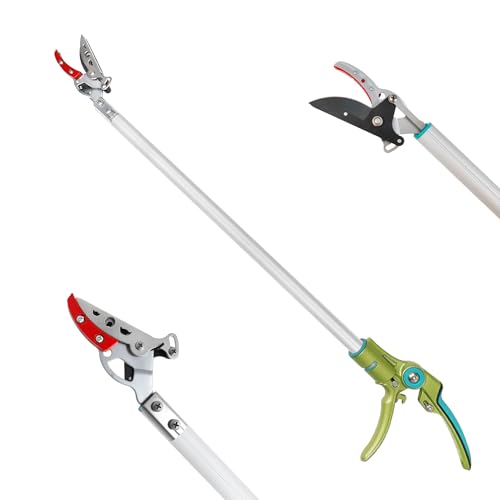
[REACH HIGH & STAY SAFE](No Ladder Required) Say goodbye to wobbly ladders! This 32inch long reach pole pruner offers an extra 30 inches of safe reach, allowing you to prune high branches or tall fruit trees while standing firmly on the ground. It’s the perfect extension tool for maintaining your backyard without the risk of falling.

Effortless Tree Cutting Operation: Designed for smooth and easy cutting of fruit trees, allowing you to finish girdling work with less effort

[Cut & Hold Pole Pruner for Tree Trimming] This long reach cut and hold pruner makes it easy to grip and remove branches, flowers, or fruit without dropping them. Perfect as a pole fruit picker for harvesting lemons, oranges, apples, or persimmons, and for trimming shrubs and bushes without climbing a ladder.
Overgrown Branches
Overgrown branches interfere with light penetration, reducing fruit production. If branches are crossing or overcrowding each other, prune them to improve airflow and sunlight access. Aim to maintain an open canopy shape. Trees should ideally have a balanced structure, allowing growth and fruit development.
Diseased or Damaged Wood
Diseased or damaged wood can infect healthy parts of the tree. Look for signs like discoloration, visible fungi, or dead branches. When you notice these issues, prune the affected areas immediately. This action not only prevents the spread of disease but also promotes new growth. Always ensure clean, sharp tools when making cuts to avoid introducing toxins to healthy wood.
Techniques For Pruning Fruit Trees
Pruning fruit trees involves several techniques aimed at enhancing their health and productivity. Knowing these methods lets you maximize the benefits pruning offers.
Recommended Products

CLEAN CUTS FOR LIVE GROWTH: Bypass blade design is ideal for pruning delicate flower stems and green growth, helping reduce crushing and plant damage while cutting stems and small branches up to 5/8” in diameter

Drop-forged construction delivers exceptional durability and sturdiness for long-term heavy garden use.

LONG-LASTING SHARPNESS: Japanese SK5 bypass blade with titanium coating is tested through 5,000 cuts to maintain a sharp edge and deliver clean, consistent cuts on live stems and branches
Thinning Cuts
Thinning cuts reduce the density of branches. You make these cuts at the point where a branch joins the trunk or another branch. This technique allows sunlight to penetrate the canopy, promoting better airflow and fruit development.
- Identify crowded areas in the tree’s structure.
- Evaluate which branches are weak, crossing, or competing for space.
- Cut these branches back to their origin, avoiding stub cuts.
- For example, if you have an apple tree, thinning cuts improve light distribution, resulting in larger, better-quality apples.
Heading Cuts
Heading cuts encourage growth by cutting back the tips of branches. This technique stimulates the growth of side shoots. You typically make these cuts on younger trees or at the ends of branches.
- Determine the desired height for the tree or branch.
- Make your cut just above an outward-facing bud.
- This method helps shape the tree and encourages a fuller canopy.
- For instance, on a peach tree, heading cuts can enhance the fruiting potential of side shoots, giving you a more abundant harvest.
Utilizing these techniques effectively improves your fruit trees’ structure and productivity, ensuring vibrant growth and plentiful yields.
Conclusion
Taking the time to prune your fruit trees at the right moment can make all the difference in their health and productivity. By focusing on late winter for your pruning sessions you set the stage for vibrant growth come spring.
Remember to keep an eye out for any signs that your trees need some TLC. Whether it’s overgrown branches or damaged wood addressing these issues promptly will help your trees thrive. With the right techniques in hand you’re not just shaping your trees but also ensuring a bountiful harvest.
Enjoy the process and watch as your fruit trees flourish under your care. Happy gardening!
Frequently Asked Questions
What is the best time to prune fruit trees?
Pruning is best done during dormancy, typically in late winter. This timing supports healthier regrowth by removing dead or damaged branches, allowing the tree to redirect its energy toward new growth in the spring.
Why is pruning important for fruit trees?
Pruning enhances the health and productivity of fruit trees by improving airflow, fruit quality, and tree structure. It helps prevent disease, encourages root growth, and regulates tree vigor, ultimately resulting in better fruit size and flavor.
How can I tell if my fruit trees need pruning?
Look for overgrown branches that block sunlight and airflow, and watch for diseased or damaged wood. If branches are too crowded or if disease is present, it’s time to prune to maintain tree health and productivity.
What are thinning cuts in pruning?
Thinning cuts involve removing specific branches to reduce density and improve light penetration and airflow within the tree. This technique promotes better fruit development and encourages a balanced canopy structure.
Can I prune fruit trees in early spring?
While early spring pruning is acceptable, late winter is preferred for optimal results. Early spring pruning allows better visibility for structural decisions but runs the risk of cutting into new growth, potentially affecting budding.
How do I prune damaged or diseased branches?
Use clean, sharp tools to cut diseased or damaged branches back to healthy wood. This prevents the spread of disease and encourages new growth, ensuring that the fruit tree remains healthy and productive.
