

Wondering if you can plant fruit trees in July? You’re not alone. Many gardeners face this question during the summer months when the urge to grow fresh fruit is strong.
You might be thinking about how to expand your garden or just enjoy the sweet rewards of homegrown fruit. Knowing the right timing for planting can make all the difference in your success. This article will guide you through the factors to consider when planting fruit trees in July, helping you make informed decisions for a fruitful harvest.
Key Takeaways
- Timing Matters: July planting can be successful if soil temperatures are optimal (65°F to 75°F) and weather conditions are favorable; otherwise, spring and fall are generally preferred.
- Benefits of Summer Planting: Planting fruit trees in July allows for an extended growing season, less competition at nurseries, and quicker maturation, leading to earlier harvests in subsequent years.
- Soil Preparation: Ensure the soil is well-drained and fertile by amending it with organic matter and checking pH levels (6.0 to 6.8) before planting.
- Choose the Right Species: Focus on heat-tolerant varieties such as peaches, plums, and apples that thrive in warmer conditions and offer good yields when planted in July.
- Ideal Planting Conditions: Monitor weather patterns, planting on cooler days and considering upcoming rainfall to minimize stress on newly planted trees.
- Proper Spacing and Location: Select a sunny spot with good drainage and space trees adequately (15 to 20 feet apart) to prevent competition for resources and promote healthy growth.
Understanding Fruit Tree Planting
Planting fruit trees requires careful consideration, especially regarding timing. Planting in July can yield positive results, but understanding the underlying factors helps ensure success.
Importance of Timing
Timing influences fruit tree health and productivity. Planting during the right season helps trees establish roots and thrive. For many regions, spring and fall serve as ideal planting times due to milder temperatures and adequate moisture. However, July can work if you’re prepared to manage the heat and ensure proper care.
Benefits of Planting in July
Planting in July offers several key benefits:
- Extended Growing Season: Trees benefit from the long daylight hours of summer. This allows them to grow vigorously before autumn sets in.
- Less Competition: With many homeowners focused on summer gardening, you’ll encounter less competition for healthy plants at nursery stores.
- Quick Maturation: Trees planted in summer often reach maturity faster. Early establishment can lead to a productive harvest in the following seasons.
When choosing to plant in July, ensure you select heat-tolerant species and provide regular irrigation to help them thrive. A little extra attention during this time can set the stage for bountiful fruit production.
Ideal Conditions for Planting
Planting fruit trees in July can be successful when specific conditions are met. Consider the soil temperature and weather factors to ensure your trees flourish.
Recommended Products
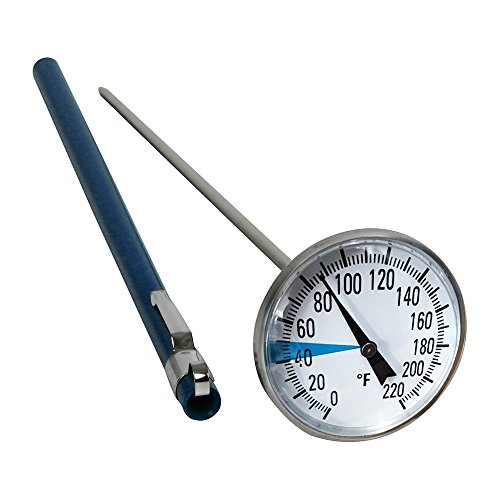
PRACTICAL SOLUTION - While other Soil Thermometers can’t tell the correct temperature, fogs up, and get broken easily, our soil thermometer has high precision performance, high-visibility, and is designed to last
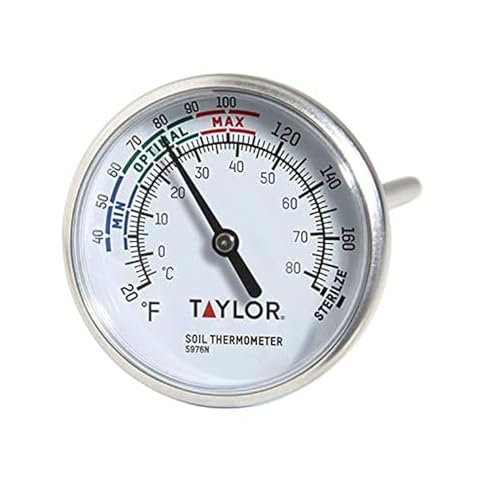
PRECISE SOIL TEMPERATURE READINGS: Measures soil temperatures from 20 degrees F to 180 degrees F (0 degrees C to 80 degrees C) with a large, easy-to-read analog dial face - no batteries or digital screens needed for reliable results every time

Easy-to-read green, yellow, and red tick marks for easy monitoring
Soil Temperature Considerations
Soil temperature plays a crucial role in successful tree planting. Aim for soil temperatures between 65°F and 75°F for optimal root growth. When soil is too hot, roots may struggle to establish, leading to stunted growth.
To check soil temperature, use a soil thermometer. Insert the thermometer 4 inches into the soil. If the temperature is within the ideal range, you’re ready to plant. If it’s too high, consider delaying until it cools.
Weather Factors to Watch
Weather can significantly impact fruit tree health during planting. Monitor heat waves, humidity levels, and storm forecasts. Plant on cooler days or during overcast conditions to minimize heat stress.
Also, be aware of any upcoming rainfall. Planting just before a rain can help your trees establish with less effort on your part. However, avoid heavy rains immediately after planting, as excessive water can drown roots. Check your local weather forecast regularly to choose the best planting days.
Types of Fruit Trees Suitable for July Planting
Planting fruit trees in July can be effective with the right choices. Consider heat-tolerant species that thrive in warmer conditions.
Recommended Products

4 FRUIT VARIETIES – 100 SEEDS TOTAL: Includes 30 Apple Seeds, 30 Lemon Seeds, 30 Cherry Seeds, and 10 Banana Seeds, individually separated by variety for an exciting fruit-growing collection.

Product Quantity: 180+ premium bonsai fruit seeds across 5 varieties; Individual packs contain 40+ apple, 40+ lemon, 40+ orange, 20+ blueberry, and 40+ cherry seeds; Perfect for starting a diverse miniature orchard

Stone Fruits
Stone fruits such as peaches, plums, and cherries adapt well to July planting. They benefit from extended summer heat, which supports fruit set.
- Peach Trees: Choose varieties like Florida King or Redhaven, known for their resilience. They require full sun and regular watering.
- Plum Trees: Look for Santa Rosa or Methley, which produce sweet fruit. Ensure plenty of space for growth and sun exposure.
- Cherry Trees: Opt for Lapins or Stella for self-pollinating options. They thrive in well-drained soil and benefit from mulching to retain moisture.
Pome Fruits
Pome fruits, including apples and pears, also work well for July planting. These trees can establish roots quickly in warm soil.
- Apple Trees: Select Honeycrisp or Fuji for their flavor and hardiness. These varieties prefer full sun and consistent watering.
- Pear Trees: Consider Bartlett or Bosc, which grow well in a range of soils. Prune them during the winter for better air circulation.
When planting both stone and pome fruits, ensure you understand the specific requirements for spacing, watering, and sunlight exposure to maximize growth potential.
Preparing for Planting
Preparing for fruit trees in July involves careful attention to soil and location. Successful planting depends on these critical factors for nurturing healthy growth.
Recommended Products

Accurate Soil pH Testing: Dewildetradingco Soil pH Test Strips offer measurements of soil pH levels (pH 3.5-9). As an essential tool for every gardener and grower, these test strips help determine the optimal pH for various plants, such as outdoor plants, indoor plants, gardens, grass lawns, fruit trees, flowers, vegetables, and forest shrubs.

Kindly NOTE: This soil tester can not be applied to test pH value of any other liquid. If the soil is too dry the indicator will not move, and water it before testing.

✅ 1Dial & 1 LCD Screen - Replace/install all 3 batteries each time. Put button to %RH/°F to - Turn On, and put to LIGHT to - Turn Off. Read the LCD results in 3-5 mins. (Not Water Moisture Meter, so, please don't test liquid)
Soil Preparation
Soil quality significantly impacts fruit tree growth. Start by testing the soil’s pH level, aiming for a range between 6.0 and 6.8 for optimal results. Amend the soil with organic matter like compost or well-rotted manure to enhance fertility and drainage.
Dig a hole that is twice as wide and the same depth as the root ball of your tree. This promotes better root establishment. Remove rocks, weeds, and debris from the area before planting. If your soil is heavy clay, consider amending it with perlite or sand to improve drainage. Water the hole thoroughly after preparation to ensure it settles well.
Choosing the Right Location
Selecting the right location is crucial for your fruit trees. Look for a site that receives at least six to eight hours of direct sunlight daily. Consider proximity to sheltering structures like fences or buildings to protect young trees from strong winds.
Ensure the area has good drainage to prevent water pooling, which can lead to root rot. Avoid planting near large trees or shrubs that may compete for resources. After identifying the spot, observe the area’s drainage characteristics during rain. If water collects, find a higher ground or elevate the planting site for better drainage.
Place your trees at least 15 to 20 feet apart to allow ample room for growth and airflow. This spacing minimizes disease risks and promotes healthy development. Always take into account the mature size of the species you choose.
Conclusion
Planting fruit trees in July can be a rewarding adventure if you’re prepared. With the right heat-tolerant varieties and a bit of extra care, you can set the stage for a fruitful harvest in the years to come. Just remember to keep an eye on soil temperatures and weather conditions to give your trees the best chance to thrive.
By choosing the right location and ensuring proper soil quality, you’re not just planting a tree; you’re investing in future delicious fruit. So if you’re ready to dig in and embrace the summer heat, go ahead and get started. Your garden will thank you later!
Frequently Asked Questions
Can I plant fruit trees in July?
Yes, you can plant fruit trees in July, but careful consideration is needed. While spring and fall are typically the best times due to milder temperatures, July can be successful if you manage heat and select the right species.
What are the benefits of planting fruit trees in July?
Planting in July offers benefits like an extended growing season, reduced competition at nurseries, and quicker maturation of trees. These factors can lead to a more fruitful harvest in future seasons.
What types of fruit trees are suitable for July planting?
Heat-tolerant species like peaches, plums, and cherries are ideal for July planting. Consider varieties such as Florida King peaches, Santa Rosa plums, Honeycrisp apples, and Bartlett pears for best results.
How do I prepare the soil for planting fruit trees in July?
Test your soil’s pH, aiming for a range of 6.0 to 6.8, and amend it with organic matter. Prepare a hole twice as wide as the root ball, ensuring to water thoroughly after planting.
What weather conditions should I consider when planting in July?
Monitor soil temperature, aiming for 65°F to 75°F. Choose cooler days or overcast weather for planting to minimize heat stress, and keep an eye on rainfall to support establishment without overwatering.
